8 myths and misconceptions about glass
Is glass a liquid? Can safety glass never break? Get to grips with the facts in our myth-busting article.
Glass is everywhere. But like many everyday objects in life, we don't always know a lot about its production or properties.
This means there are a surprising number of myths and misconceptions knocking about. This is a shame for two reasons. First, it means that your pub quiz score could take a beating. And second, it means that some people shy away from using glass in construction projects.
Well, we're here to sort the facts from the fiction and give glass's reputation a good wipe-down.
First up: a common misconception which would get the QI klaxon ringing.
1. Glass is a liquid
Some people will tell you that glass is not a solid, but a liquid. Over time, they say, it can flow slowly and change shape.
This is a misconception stemming from the way windows used to look. In the olden days, glassblowers would sometimes produce windows that were thicker at the bottom than at the top. From this, people deduced that glass is a moving material.
It's as untrue today as it was back then. Glass is solid and cannot change shape over time.
2. Glass is easy to break
This is a half-truth. Some glass can of course smash on impact. But in many modern applications, glass is extremely tough – especially glass of the toughened or laminated varieties.
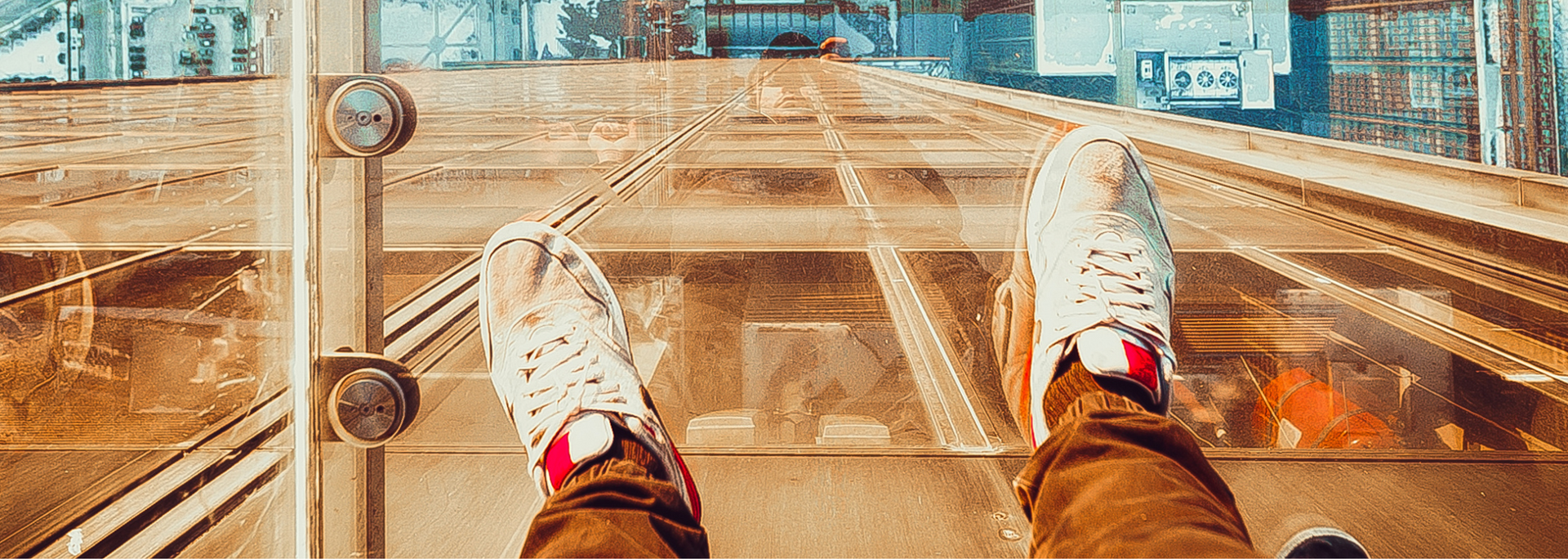
In the days before modern glass manufacturing, the idea of a glass staircase or glass walkway was as ridiculous as a chocolate teapot. But today's safety glass can withstand a lot of stress and pressure.
This is because of how it's made. Toughened glass is put in a furnace at high temperatures and then cooled rapidly. This excites the molecules and makes the glass more durable. Laminated glass, by contrast, is a kind of glass sandwich. It has two sheets of glass (often toughened themselves) with a plastic interlayer in between.
These methods make it extremely hard to dent safety glass, still less break it. It's this robustness that makes it ideal for architectural applications.
3. Safety glass can't break
This is the flip side of our second misconception. Safety glass is hard to break – but that doesn't mean it doesn't at all. It's just that a lot more force is needed to make a dent, scratch or chip.
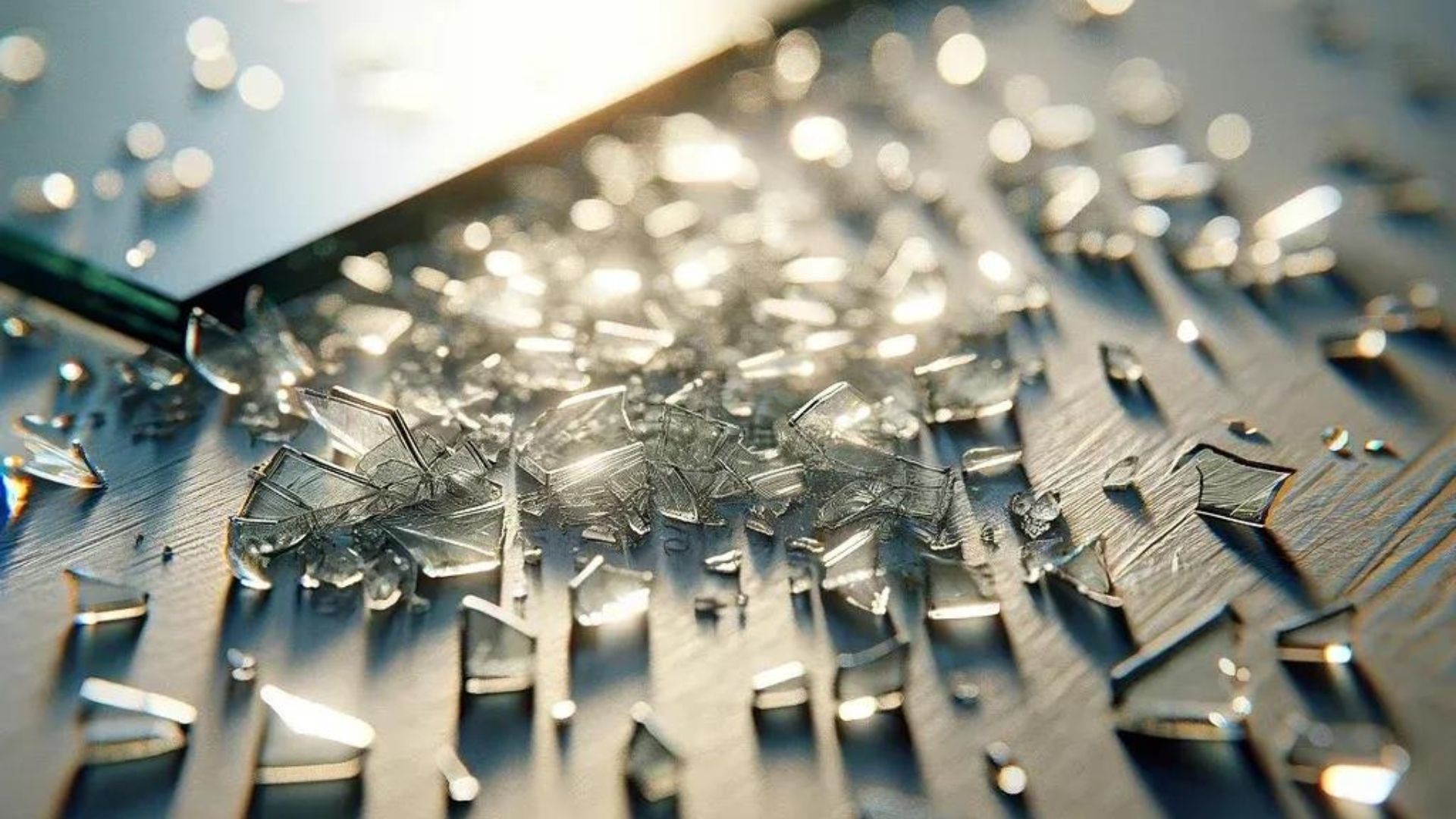
The difference between safety glass and non-safety glass is the way it breaks. Annealed glass shatters into sharp shards, whereas safety glass breaks into smooth chunks (in the case of toughened glass) or one large, cracked sheet (laminated glass).
Safety glass, then, is safe in two respects. First, it's hard to break. Second, it's unlikely to cause injuries when it does.
4. All glass is heat-resistant
Wrong. Heat-resistant glass is a special type of glass with its own manufacturing process.
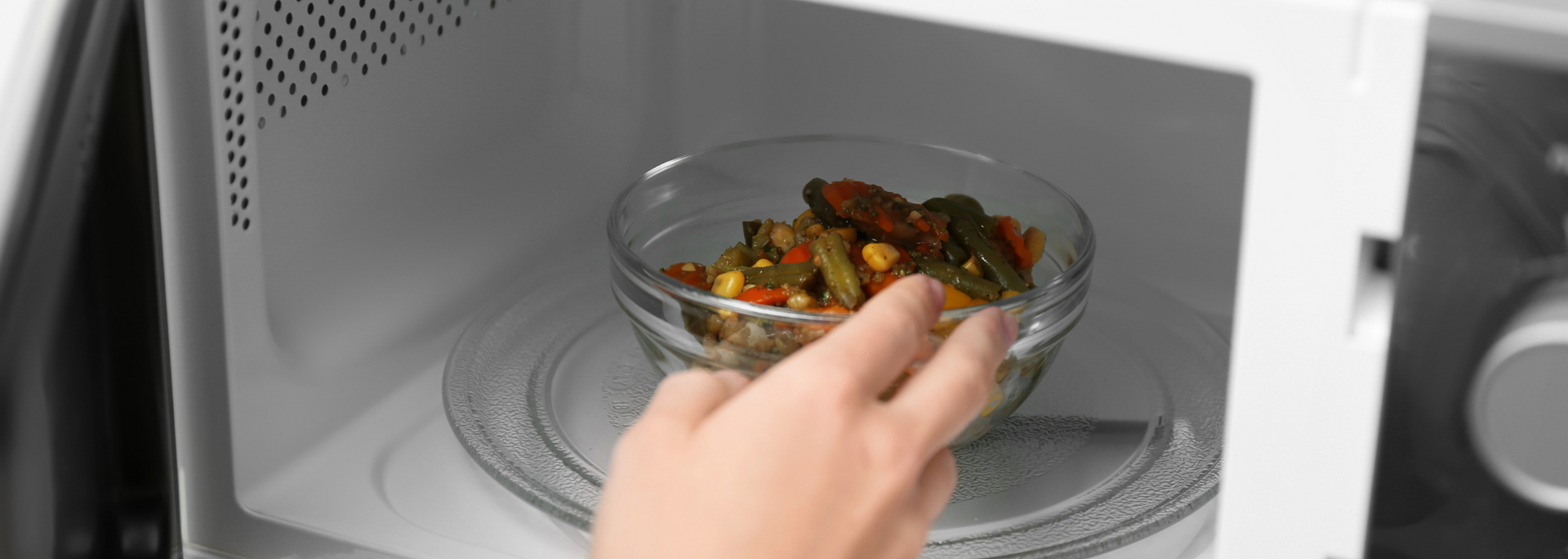
Other types of glass, such as that used in many windows and drinking glasses, can shatter or crack at a high temperature.
5. Glass is difficult to clean
Many people will tell you that glass is difficult to clean because even a well-looked-after bit of glass can get smudged.
This is true but, in fact, it's easier to clean those smudges off than from other types of materials. The "wipe-off" nature of glass is one of its best qualities, whatever the application. Spray, wipe, done.
On top of this, modern glass panels are often treated with dirt-resistant coatings that minimise the amount of grot to be wiped off in the first place.
As with most types of cleaning, your best bet is the "little-and-often" approach. A quick spray and wipe-down once a week is preferable to an exhausting scrub-down after months of neglect.
6. Glass is always transparent
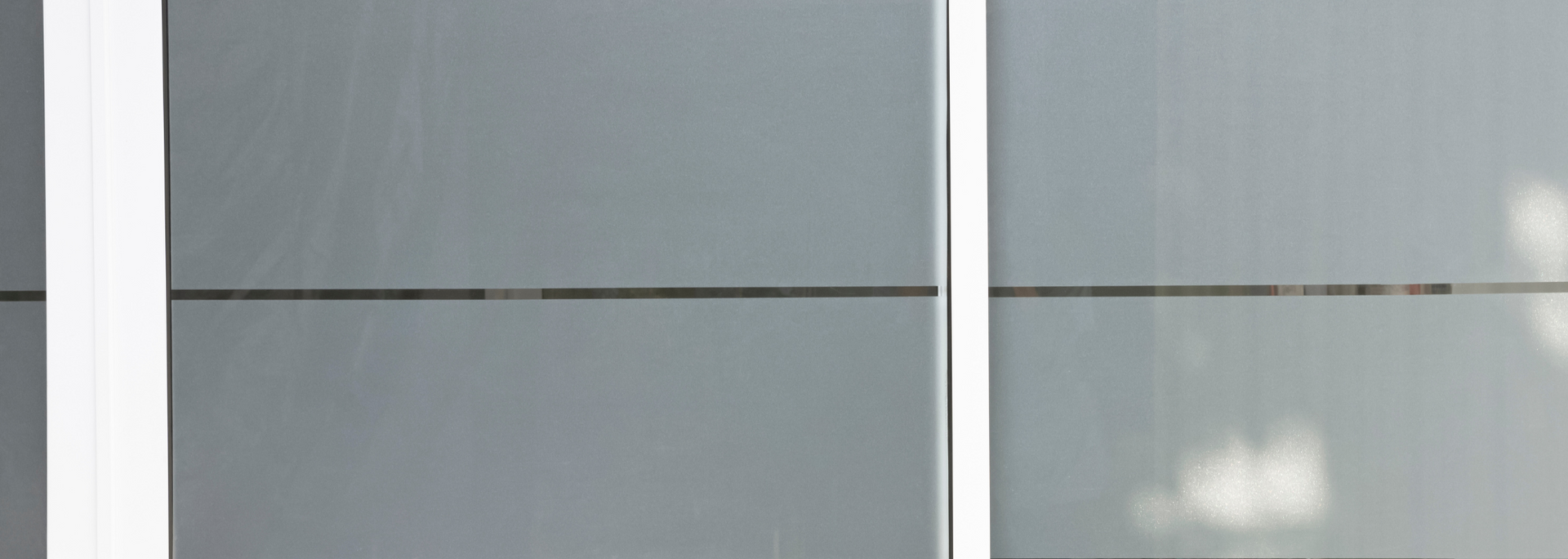
Glass is famously clear, right? Yes and no. Glass can be altered to be translucent or opaque.
There are a couple of methods for doing so. One is sandblasting, where particles of sand are, yes, blasted at the glass, creating a frosted pattern. This is what you might see on frosted glass in bathrooms, boardrooms and other places where privacy is required.
Then there's coloured glass, which uses a coloured interlayer rather than an external treatment.
Throw smart glass and digitally printed glass into the mix and you can see that the saying "as clear as glass" is due an update.
7. Good-quality glass never breaks
No matter how high-quality your glass is, it can still break under pressure or impact. That's just the nature of the glassy beast.
Some people, however, are under the impression that if their glass breaks, it means they've been sold a pup. We're here to tell you that's just not the case.
Of course, there's plenty of bad-quality glass on the market. But if you get the good stuff, you're minimising the chances of breakages, not eliminating it entirely.
When sourcing glass for a project, look for Kitemark approval, British Standard accreditations and a company that has a proven track record of supplying materials. That way, you're giving your project the best chance of long-term success.
8. It's not versatile
This is perhaps the biggest misconception of them all. Glass is just that clear stuff you look out of, right? Wrong!
Glass has a dizzying number of applications, whether it's beautifully
digitally printed glass in the home,
smart glass on business premises, or an entire building made out of the stuff.

On top of that, it's highly customisable. It's never been easier to get glass printed with the design of your dreams, or coloured to your exact requirements.
Versatility, we would argue, is glass's greatest asset as a building material. Its uses and design possibilities are as big as your imagination.
So there you have it – eight myths and misconceptions shattered. We hope you've learned something about a material that's durable, versatile and easy to maintain.
Are you looking for high-quality glass?
Get in touch today for a free, no-obligation consultation.