How is mirror glass made?
Mirror, mirror on the wall – what are you made from, after all? Find out in our jargon-free glass guide.
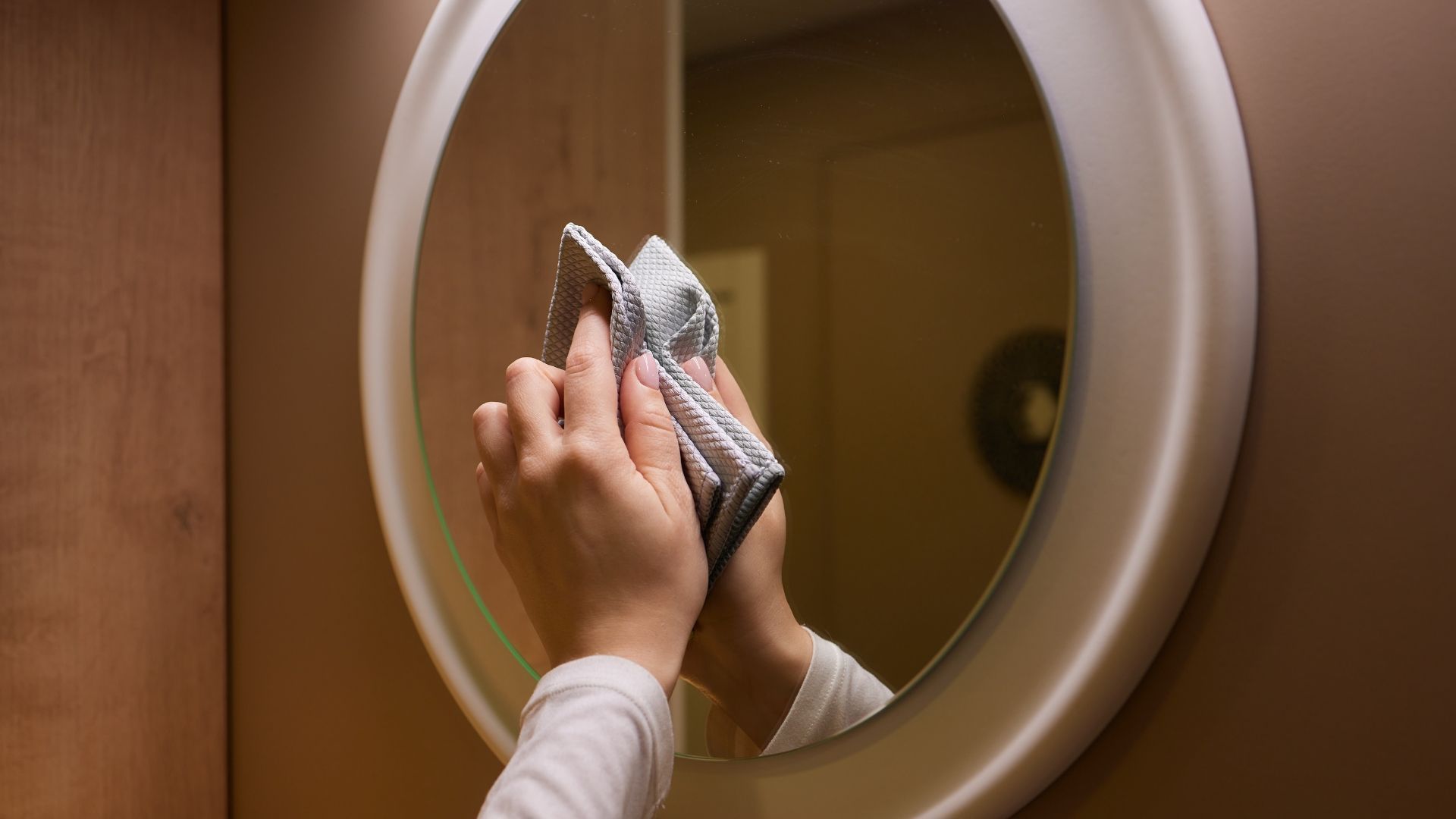
Mirrors are everywhere – and they've been around for millennia. While their function has stayed the same, the manufacturing process has changed considerably since the polished obsidian mirrors made in modern-day Turkey some 8,000 years ago.
It's not just that we've shifted from stones to glass as the primary material. It's also that the coatings used are different – and safer than the mercury backings used between the 15th and 19th centuries.
But how is
mirror glass
made, exactly? Despite its ubiquity, many people couldn't give you a satisfactory answer to this question. It's as mysterious an everyday phenomenon as Bluetooth and WiFi.
Well, there's a short answer and a long answer. The short answer is that mirror glass is a sheet of float glass with a reflective layer of silver or aluminium and a protective layer of copper and paint.
The longer answer takes the process into account:
- How the glass is first polished and cleaned
- How a tin chloride solution helps the silver bond to the surface
- How the copper and paint are added and why
Let's look at this process in more detail.
The mirror glass manufacturing process
1. Preparation
First, you take a piece of float glass. Also known as "annealed" glass, float glass is a product made by floating molten glass on a bath of liquid tin. It was invented by Sir Alastair Pilkington and his team in the 1950s and is now the bedrock of the glass industry.
The float glass is cut to size, ground (smoothed) and thoroughly cleaned. All contaminants need to be removed. To this end, water, brushes and polishing agents are used.
2. Tin coating
Next, a layer of liquefied tin chloride is sprayed onto the back of the glass. This acts as a bonding agent for the silver.
3. Silvering
It's silvering time. A silver nitrate solution (mixed with an activator) is applied to the glass. This reacts with the tin chloride to form a thin silver layer – a layer which, crucially, is reflective.
Silver nitrate is a versatile chemical compound first used to make mirrors in 1835 by the German chemist Justus von Liebig. It replaced mercury, a toxic element that created severe health risks during the manufacturing process and from vapours released as the mirrors aged.
4. The copper layer
Once the silver nitrate and tin chloride have reacted to form a thin reflective layer, a copper layer is sprayed over the silver. This protects the silver, stopping it from tarnishing, oxidising and degrading.
Some manufacturers no longer use copper layers, choosing instead to add a passivating coating. This is partly for environmental reasons and partly because the new coatings offer superior corrosion resistance and longevity.
5. Painting
Once the copper layer or passivating layer has been added, one or two coats of protective paint are applied. This acts as a seal and adds another layer of protection to the underlying reflective surface.
6. Finishing and cutting
Finally, the finished sheet of glass is washed in acid, inspected for flaws and then cut into the shapes and sizes the client has requested. The edges can then be polished or bevelled.
Some mirrored glass is
toughened (tempered). This is a manufacturing process that creates a highly durable safety glass product.
In the case of toughened mirror glass, the glass has to be cut before it's fired. This is because toughened glass shatters into thousands of small, blunt pieces when cut after firing.
How has mirror glass changed over time?
In premodern times, mirrors were made of stone rather than glass. They started to be made from glass in the first century AD in Sidon (modern-day Lebanon). There, metal coatings such as lead and gold leaf were applied to glass.
By modern standards, these early glass mirrors were small and rudimentary. Mirrors started to resemble the products we use today in 16th-century Venice, then the global centre of the glass trade.
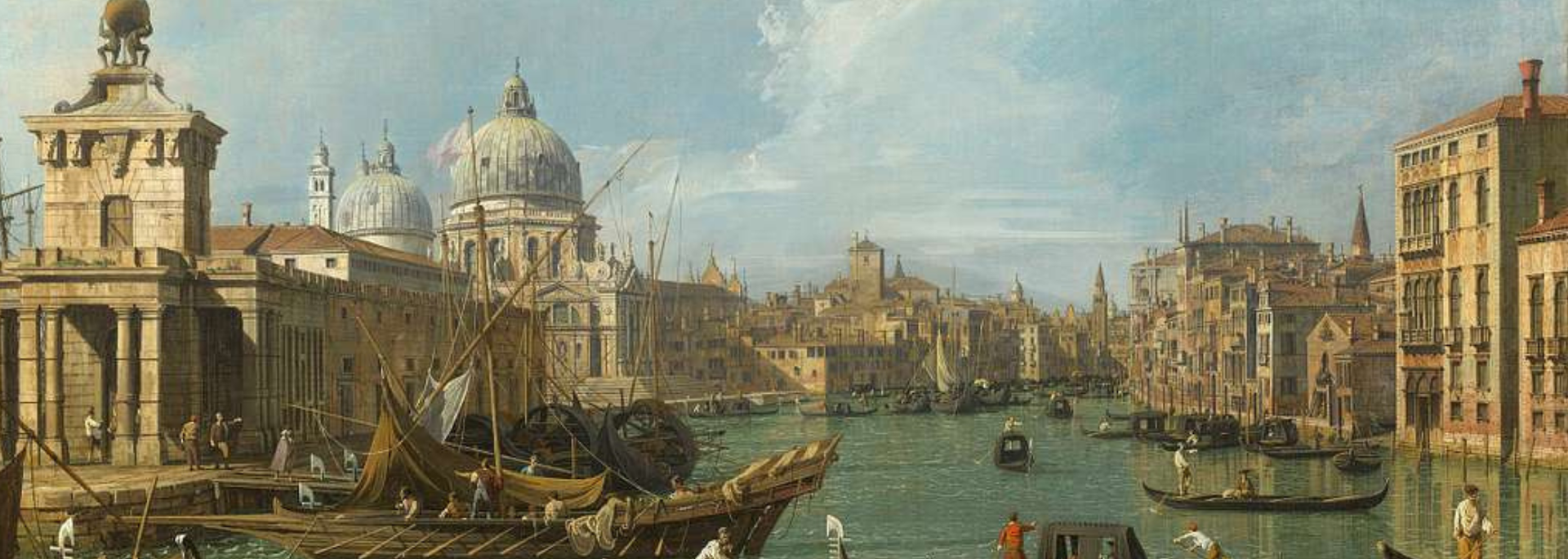
These mirrors were backed with mercury and were luxury items. It was only with the invention of silvering by Justus von Liebig in 1835 that mirrors could be mass-produced.
Mirror glass is still evolving as a product. Copper is increasingly being replaced by eco-friendly passivating coatings. Some mirrors are now made from
switchable smart glass, a kind of glass that can be switched on and off and dimmed via a smart system.
Can mirrors be made from toughened glass?
Yes, mirrors can be made from toughened glass. Such products combine the functionality of a mirror with the durability and distinctive breakage pattern that qualifies toughened glass as a kind of safety glass.
Toughened glass (or
laminated glass) has to be used in what UK building regulations term "critical locations". This refers to areas in buildings where accidental human impact is likely. This includes doors, side panels and low-level windows.
Toughened mirror glass is used for critical locations in high-moisture areas such as public bathrooms, public kitchens, gyms and shopping centres. It's also used for furniture, including tables, shelves and wardrobes, as well as car wing mirrors.
About our mirror glass
Here at ToughGlaze, we supply a wide variety of glass products. This includes TG REFLECT – mirrored glass that's cut to your requirements and built to last.
As with all our products, the options are plentiful. You can come to us for a low-iron, silver or tinted mirror. Borders, logos and other designs can be
sandblasted or
digitally printed
onto the glass. And the edges can be polished or bevelled – whichever you prefer.
The glass can also be toughened. Our toughened glass complies with BS EN 12150 and comes with the Kitemark stamp of approval, giving you peace of mind when installing mirror glass in a critical location.
And because we do everything onsite – cutting, processing and delivery – you know who to call in the unlikely event there's a problem.
So, if you're looking for high-quality
custom mirror glass , don't hesitate to
get in touch with our experts for a quick, competitive quote.