Daylighting in architecture: systems and strategies
Daylighting in architecture seeks to maximise natural light in interior spaces. Discover key daylighting strategies in our guide.
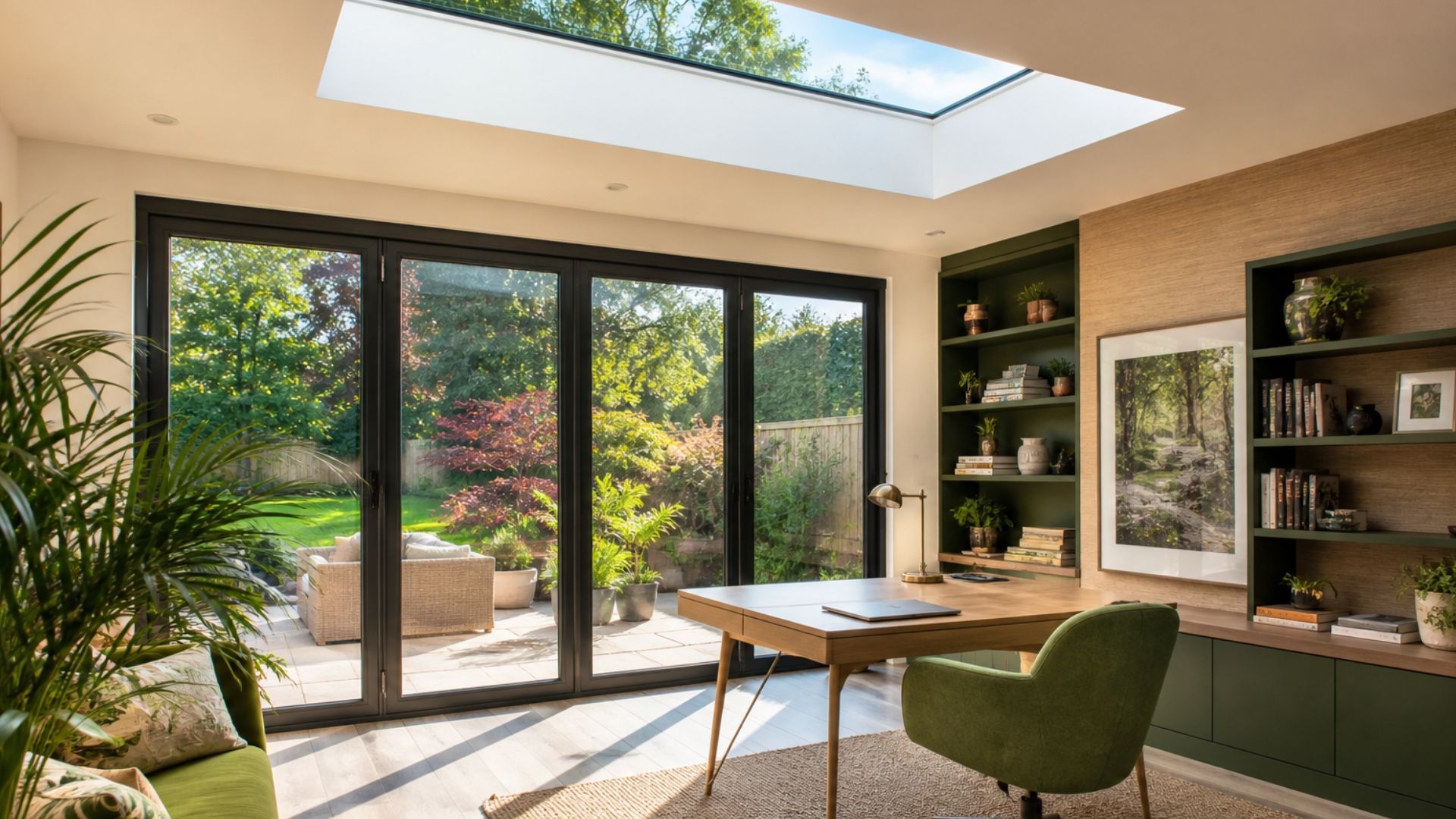
Daylighting is an architectural design principle that can be summarised as follows. Architects seek to maximise natural light in building interiors, reducing reliance on electric lighting and improving the experience of building users.
So far, so simple. What's remarkable is how many different ways daylighting can be implemented.
Common to many of these daylighting methods is glass – our speciality. Glass windows are, of course, the main way we let daylight into our homes. But many other glass-based features exist that maximise natural light – from skylights to sunrooms, to take just two examples.
On top of this, there are different kinds of glass. In some applications, glass needs to be a kind of safety glass – typically toughened glass or laminated glass.
These types of glass are built for so-called "critical locations". These are parts of a building where extra safety and security are called for.
One drawback of daylighting is that it can create sun glare. Frosted glass is one way around this problem. Here at ToughGlaze, our sandblasted glass lets light in while maintaining privacy.
And finally, there's switchable smart glass, a kind of glass that can be switched from transparent to opaque with a few clicks.
With all these options available, it can be difficult to know where to start. In this article, we break down the benefits of daylighting in architecture along with some of the most common – and most appealing – glass-based applications.
What are the benefits of daylighting in architecture?
There are three main benefits of daylighting in architecture. First, it increases energy efficiency. Secondly, it boosts occupant well-being. And thirdly, it can enhance the aesthetics of an interior.
Energy efficiency
In terms of energy efficiency, daylighting can dramatically lower the amount of electric light you use. This makes daylighting an important part of any sustainable building project.
Occupant well-being

Research paper after research paper has suggested that daylight in the workplace boosts mental health. If true, this would surely also apply to domestic settings. Daylight is visually comforting and can make building occupants feel more connected to the world around them.
Aesthetics
All the features used for daylighting can be designed to be aesthetically pleasing. Natural light can be filtered through a wide range of materials and shapes, creating environments that are pleasant to be in and pleasant to look at.
How is daylighting achieved in architecture?
The most common way to achieve daylighting is through windows. These could be:
- Standard windows
- Feature walls that act as full-length, full-width windows
- Clerestory (pronounced "clear story") windows – these are positioned above eye level and are designed to let natural light enter a building from above
Doors, too, can be made from glass or fitted with glass panes. French doors, sliding doors and bi-fold doors all provide ample space for daylight to enter a building.
Daylight can also enter from above through skylights. Meanwhile, light shelves can be installed on windows above eye level to bounce daylight deeper into the interior. At the most extravagant end of these kinds of installations is a glass roof.
All of the above can be made with smart glass. This is a type of glass that can be switched from transparent to translucent to opaque.
The change from one level of transparency to another is achieved by applying a voltage to the glass. This is typically operated from a smart device controller such as a phone or smart home system.
Smart glass windows, doors, screens and so on provide high levels of daylight control. Daylight can be let in, filtered or blocked entirely.
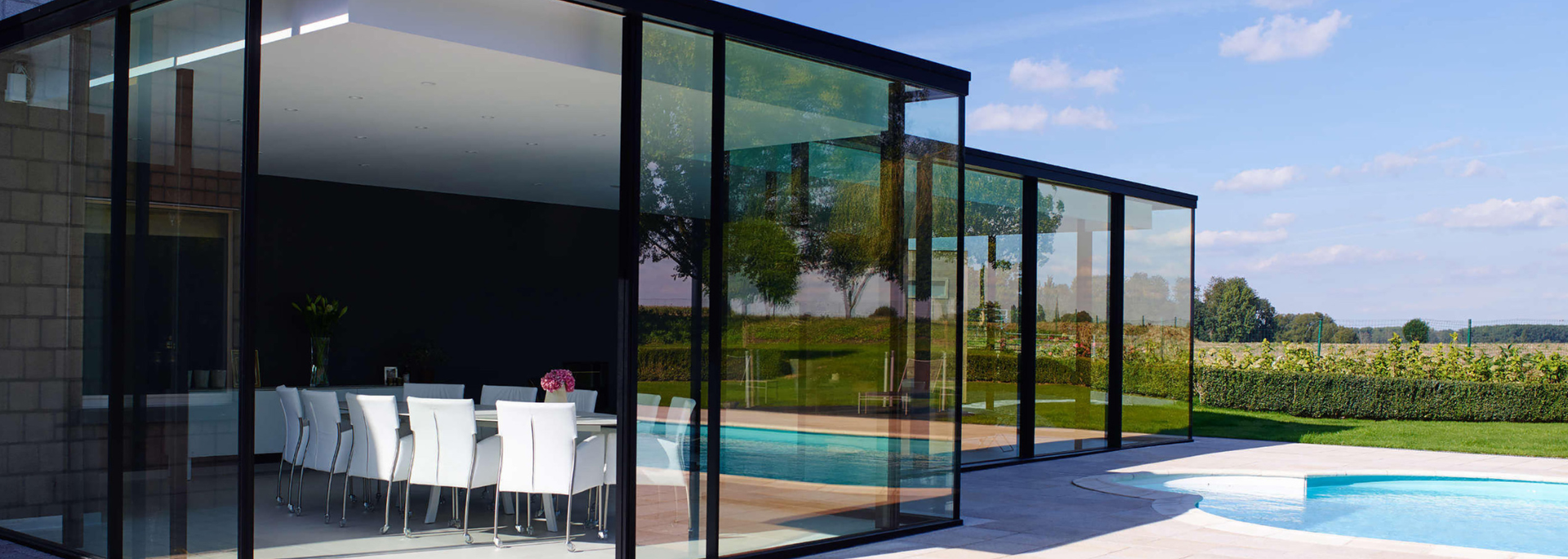
All of the above features exist within interiors. There are also types of buildings whose surfaces are solely made from glass. These include sunrooms, greenhouses and even whole houses or offices.
Passive vs active daylighting: what's the difference?
In architecture, a distinction is made between passive and active daylighting.
In passive daylighting, sunlight is collected using static systems. The daylight is then reflected deeper into the interior with light shelves and other architectural elements. Passive daylighting systems include windows, glass doors and skylights.
Active daylighting, by contrast, involves advanced technologies that use sun-tracking sensors and reflectors. These catch the sun and direct it deeper into buildings throughout the day.
Active daylighting solutions include active sun-tracking systems, pre-programmed motor systems, active skylights and heliostats (mirrors on motorised trackers).
Glass is mostly used for passive daylighting. Natural light can be successfully maximised with just a few choice windows and other architectural glass features.
Avoiding glare
Overall, daylighting is a net positive to most buildings, regardless of their use. One drawback, however, is that they can create glare for building users.
There are a few ways around this – some as old as time. Blinds and curtains can be used to block out or filter the daylight, as can external overhanging plants or trees.
Frosted or sandblasted glass can be installed to filter light without blocking it. The gritty sandblasted texture can also add aesthetic interest to a building.
Finally, smart glass can be installed to allow remote control of glare levels in a building.
All of these solutions help reduce glare – and they also reduce heat gain.
What kinds of glass can be used for daylighting?
Windows and doors can be made from any kind of glass. In some locations, however, they need to be made from toughened or laminated glass to protect building users. Daylighting can also be achieved with sandblasted glass and switchable smart glass.
Are you looking for high-quality commercial glass products to maximise natural light in a building? Get in touch with ToughGlaze today for a quick, competitive quote or explore our range of products online.