Does laminated glass block UV?

Simon Edward • 13 February 2026

Share this blog:

Laminated glass has many benefits across a range of applications. But does it block UV rays? Find out in our glass guide.


Laminated glass has many benefits across a range of applications. But does it block UV rays? Find out in our glass guide.

Ultraviolet (UV) rays are a kind of electromagnetic radiation that comes from the sun and other light sources. Doctors warn against too much exposure to them, citing health risks like skin cancer, premature ageing and eye problems like cataracts.


Sun hats, sun cream and other products all act as defences against UV. But did you know that glass can also play a role?


How laminated glass blocks UV

Laminated glass is a type of safety glass made from at least two panes of glass and a plastic interlayer.


The primary purpose of this interlayer is to ensure that the glass unit maintains structural integrity even when shattered. This makes it an ideal product for locations where extra safety is required.


This interlayer serves other functions. It can reduce the transmission of sound, heat and UV rays. In fact, a PVB interlayer or similar can absorb over 99% of UV rays.


By stopping UV rays from passing through the glass, these interlayers don't just protect building occupants from sun damage. They also help stop interiors and furnishings from fading.


Do other types of glass block UV?

All types of glass block UV – but they don't block it in equal amounts.


Standard glass blocks most of the UVB rays. These are the rays that cause sunburn and skin cancer. However, it lets a lot of the longer-wavelength UVA rays through. These reach deep into the skin, causing ageing and also contributing to cancer.


Specialised types of glass are much better at blocking UVA rays. Low-E glass, tinted glass, frosted glass and laminated glass all offer greater protection than standard annealed or flat glass.

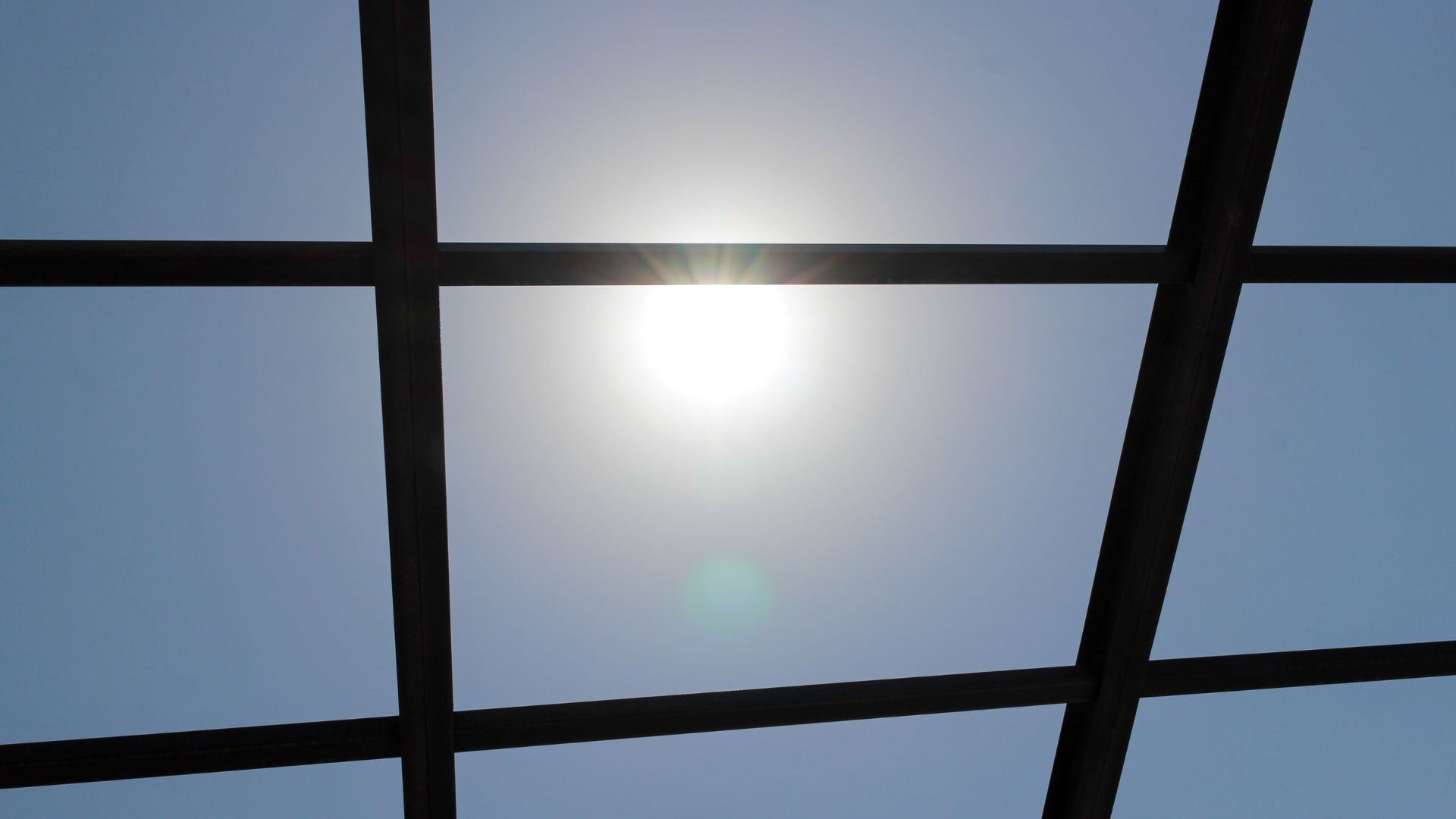
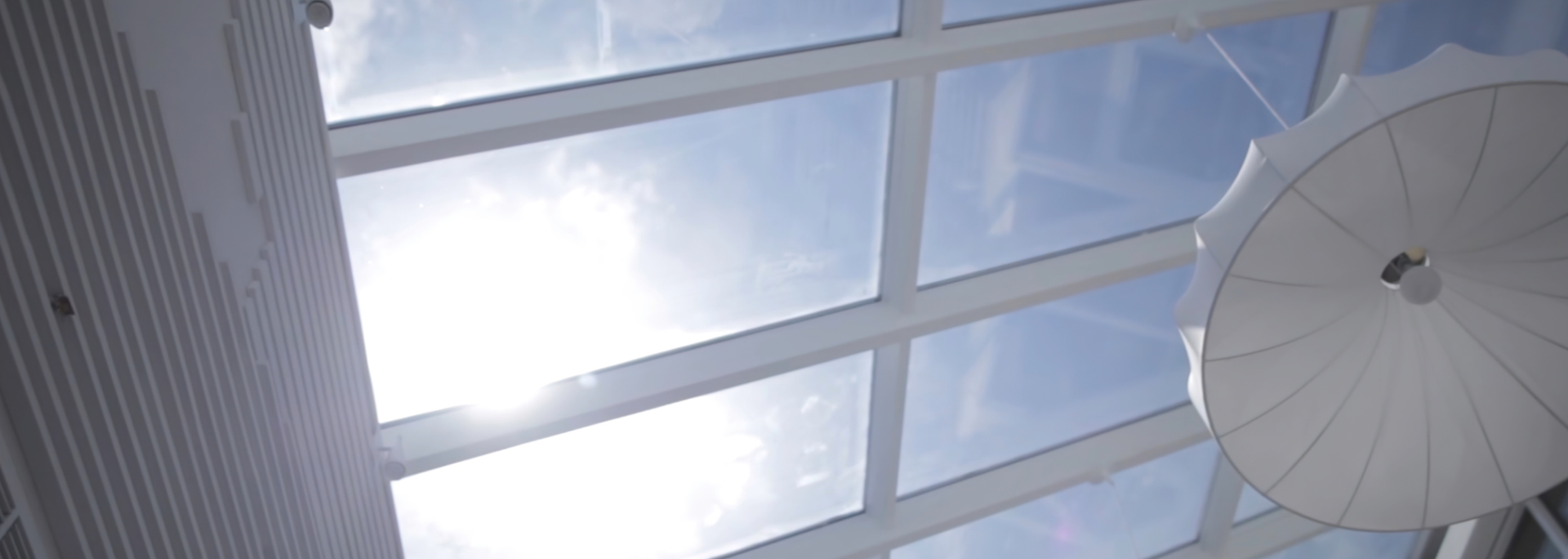
Picture of sunlight shining through a window.

Laminated glass is specifically designed to reduce UVA transmission. Alongside its durability and post-breakage safety, this is why it's so often chosen for windows, skylights and car windscreens.

What are the other advantages of laminated glass?

Laminated glass isn't just about UV protection. It also offers a high level of resistance to manual attack.

It takes a lot of force to break laminated glass. When it finally breaks, it doesn't break into shards like annealed glass or smithereens like toughened glass. Instead, the outer pane cracks like a spider's web, but the unit retains structural integrity. This can help reduce the risk of the glass or its fragments falling out of its frame.


What is UV?

UV is a type of electromagnetic radiation from the sun and other light sources. It's invisible to the human eye and has shorter wavelengths than visible light.


UV plays a role in vitamin D production in humans. But when overexposed, it can also cause skin damage and cancer.

There are three types of UV rays. UVA rays reach deep into the skin, causing ageing and contributing to cancer. UVB rays cause sunburn and most cancers related to sunburn. Meanwhile, UVC rays are blocked by the Earth's atmosphere.


Are you looking for glass that blocks UV rays? At ToughGlaze, we cut, process and deliver high-quality laminated glass products from our state-of-the-art Bedford facility. Don't hesitate to get in touch with our experts for a quick, competitive quote.