Glass guide: glass for security firms

simon • 18 July 2025

Are you a security firm looking for high-quality security glass? Explore your options in our glass guide.


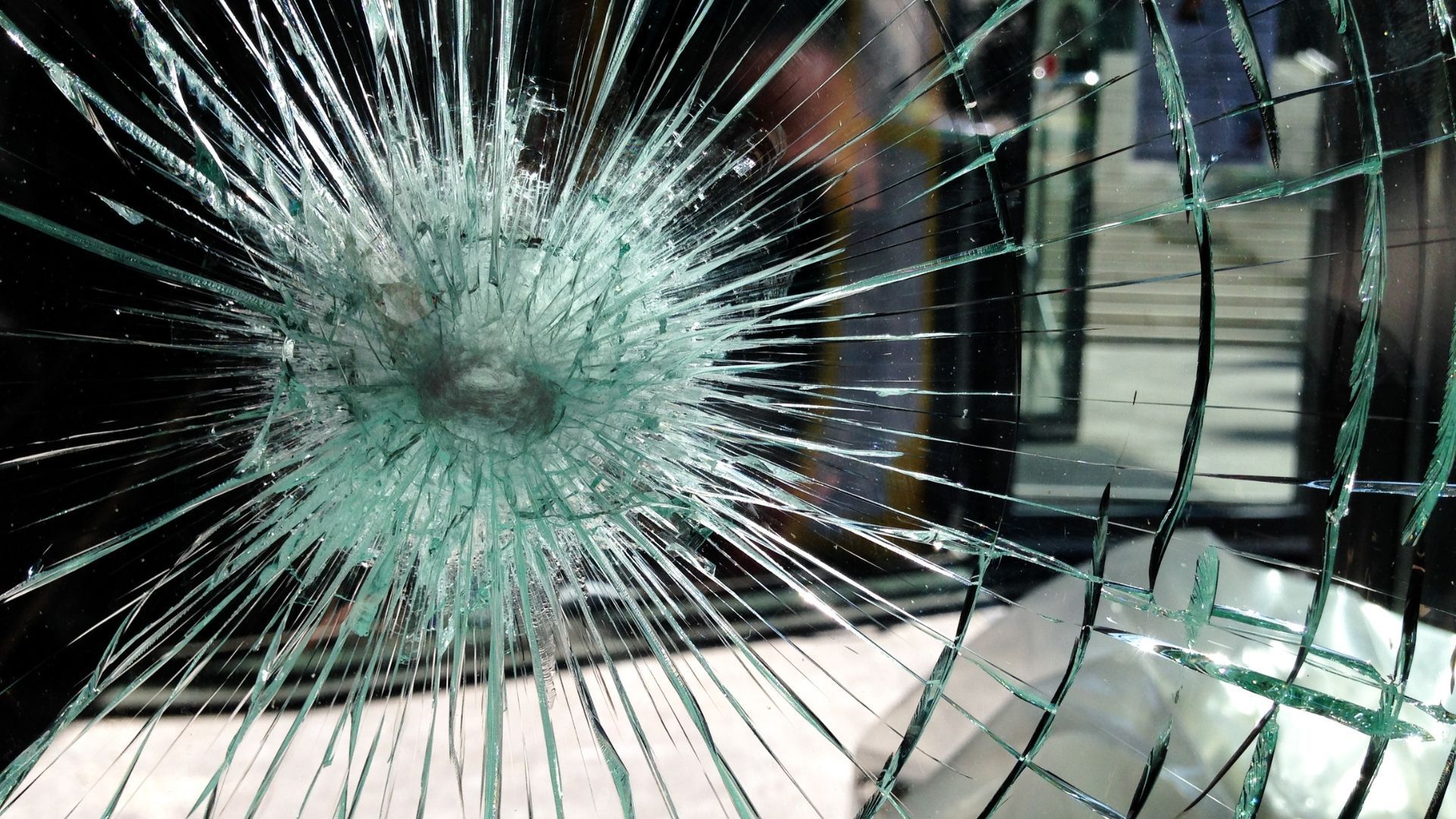
Shattered glass window with a central impact point and radiating cracks.

Security firms offer protection against wilful damage. So, they need materials that do the same. This is where the different types of security glass come in.


Security glass is manufactured to provide protection against bullets, bombs and bandits (depending on the particular product). High-quality versions achieve this level of protection without sacrificing optical clarity or lightness.


It's used to make windows, doors, storefronts, cabinets and more in locations where extra security is needed against wilful attack. This includes (but isn't limited to) banks, jewellery stores, hospitals, government facilities and armoured vehicles.


What is security glass made of?

 Security glass is typically made out of laminated glass. This is a type of safety glass (not security glass) made from at least two layers of glass. These sheets of glass are bonded around a plastic interlayer. The interlayer can be coloured or textured.


Laminated glass can withstand a lot of force. When it does finally break, it cracks in a spiderweb pattern and stays in its frame. This distinguishes it from toughened glass (another kind of safety glass), which breaks into lots of little pieces.


Laminated security glass can be
fire-rated. In the case of our fire-rated glass, this incorporates a gel between the outer panes. If a fire breaks out, the gel expands and acts as a barrier against the heat and flames. This gives people longer to evacuate and the emergency services longer to arrive.


Security glass
is an especially robust form of laminated glass. To qualify as security glass, it has to pass certain tests and be manufactured in line with BS EN standards.

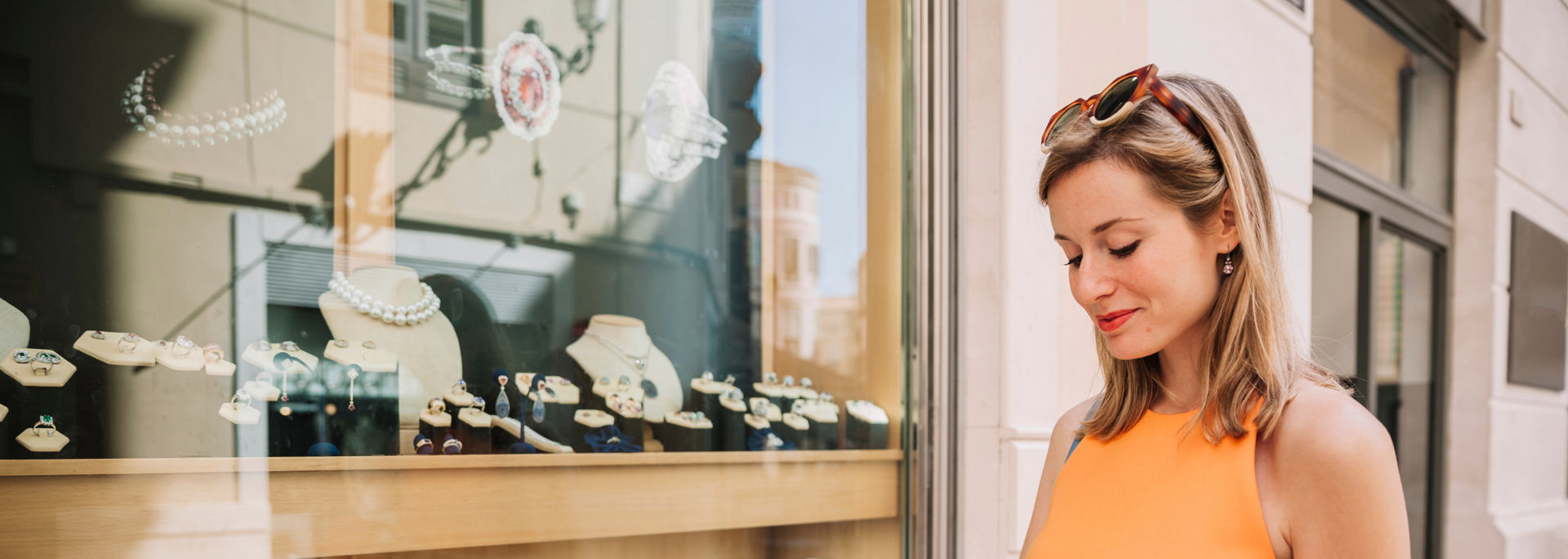
Woman looking at jewelry in a shop window. She wears an orange top, sunglasses on her head, and smiles. The setting is outdoors.

What is the difference between security glass and safety glass?

Safety glass is designed to withstand accidental damage. Security glass, however, is designed to withstand deliberate attack, whether from a bandit, a bullet or a bomb.


About our security glass range

At ToughGlaze, we provide a range ofsecurity glass productsthat provide effective protection against deliberate attack.


Each product meets relevant BS EN standards and carries the Kitemark seal of approval. We can cut and process these products to meet your specific project requirements.


TG SECURE
, for instance, is tested to European standards for security against manual attacks. To qualify as security glass, it has to withstand simulated attacks from hammers, axes and balls.


Meanwhile,
TG BOMB BLASTmeets ISO 16933:2007. It's built to withstand bomb blasts while remaining lightweight and clear.


On top of this, all our security glass products can undergo further processing. They can be
digitally printedwith a company logo or other design.
Finally, our security glass has
acoustic properties to help reduce noise in a building or vehicle.


ToughGlaze is a trusted UK glass processor with more than 30 years of experience. Do you need high-quality, fully compliant security glass for a project? Don't hesitate to
get in touch with our teamto discuss your needs or request a quote.

What are SentryGlas Plus (SGP) interlayers and what role do they play in laminated glass application
by Simon Edward 29 June 2026
What are SentryGlas Plus (SGP) interlayers and what role do they play in laminated glass applications? Find out in our guide.
In rare cases, glass can spontaneously break. Join us as we explore why it happens
by Simon Edward 26 June 2026
In rare cases, glass can spontaneously break. Join us as we explore why it happens and what you can do to reduce the risk.
Mesh laminated glass and fabric laminated glass add different things to building projects.
by Simon Edward 19 June 2026
Mesh laminated glass and fabric laminated glass add different things to building projects. Explore the differences in our glass guide.