Does low-e glass look different from normal glass?
Does low-e glass look different from normal glass? Learn about low-e glass tint, colour, reflection and haze – and what affects its appearance.
Low-emissivity (low-e) glass is designed to improve the thermal performance of windows and other glazing. But does adding a low-e coating change the way the glass actually looks?
The short answer is: sometimes, but usually only subtly.
Many modern low-e coatings are designed to appear clear or neutral while allowing plenty of visible light through. However, low-e glass isn't necessarily visually identical to ordinary clear glass.
Depending on the product, you might notice a slight tint, difference in reflection or change in colour when viewing the glass from certain angles.
That's why appearance matters when specifying low-e glass – particularly where different glass products will sit alongside each other.
What is the difference between low-e and clear glass?
Standard, clear float glass is uncoated. Low-e glass, by contrast, has a special low-emissivity coating applied.
This coating consists of extremely thin layers of materials applied to one surface of the glass. Its job is to reflect long-wave infrared energy, reducing radiant heat transfer through the glazing.
Modern coatings can perform this job while remaining highly transparent to visible light. That's why low-e windows can retain a clear, neutral appearance despite the additional coating.
However, the coating can slightly alter the amount and colour of light transmitted or reflected by the pane. Guardian notes that low-e coatings can affect glass colour, light transmission and reflectivity, even when they're designed to provide a largely neutral appearance.
There's another complication: even ordinary "clear" glass isn't perfectly colourless.
Standard float glass contains small amounts of iron, which can give it a faint green appearance. This is particularly noticeable when looking through thick glass or directly at an exposed edge.
Low-iron glass reduces this effect and appears more neutral.
So, comparing low-e glass vs clear glass isn't quite as simple as comparing "coloured" glass with "colourless" glass.
Does low-e glass have a tint?
It can, although "low-e" doesn't describe a specific colour.
There are many different low-e coatings, each designed for different levels of thermal insulation, solar control and light transmission. Their appearance varies accordingly.
Some are deliberately very neutral. Others may have subtle blue, grey, green or other tones, particularly when viewed from outside the building.
Low-e coatings can also be applied to tinted glass substrates where a stronger colour is deliberately required.
That means you shouldn't assume every low-e product will have the same appearance. The exact coating, base glass, thickness and overall insulated glass unit (IGU) construction all make a difference.
For projects where appearance is particularly important, samples or project mock-ups can be useful before committing to the final specification.
Why does some low-e glass look slightly green?
Search online, and you'll sometimes see references to a low-e glass green tint.
Indeed, low-e glass can occasionally look slightly green. However, the coating isn't necessarily the culprit.
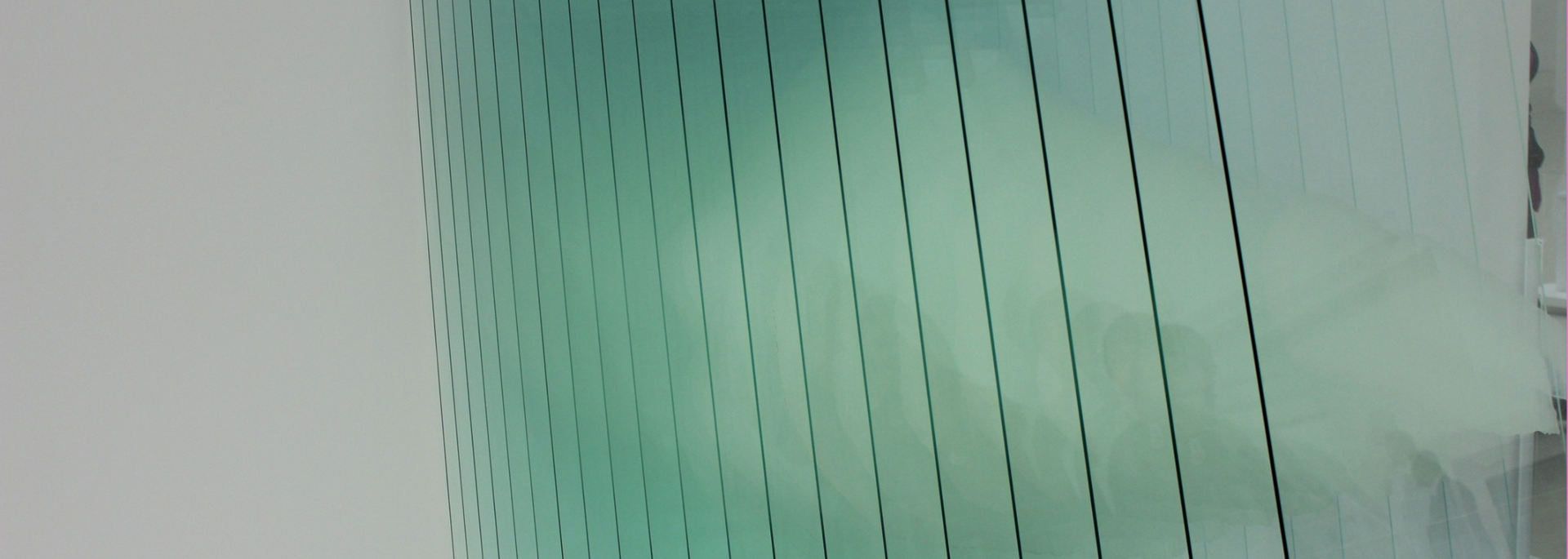
Ordinary clear float glass already has a slight green cast because of its iron content. The effect becomes more noticeable as the glass becomes thicker or when several panes are combined. A coating can then alter how this underlying colour is perceived.
If exceptionally neutral glazing is required, low-iron glass may be worth considering. By reducing the substrate's iron content, manufacturers can create glass with greater light transmission and less of the characteristic green appearance of standard clear float.
Again, it comes back to looking at the complete specification rather than treating the low-e coating in isolation.
What causes low-e glass reflection?
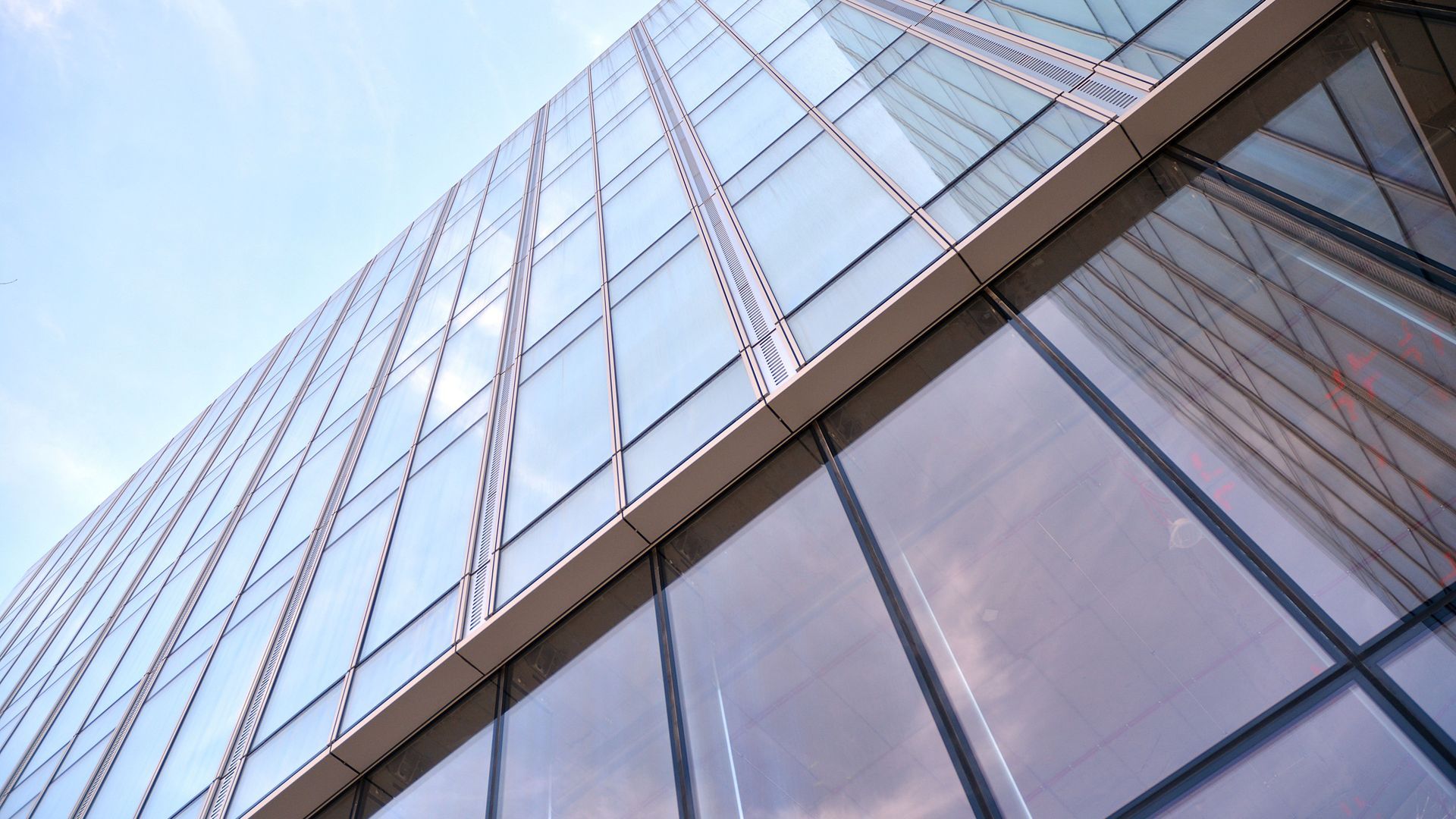
All glass reflects some visible light.
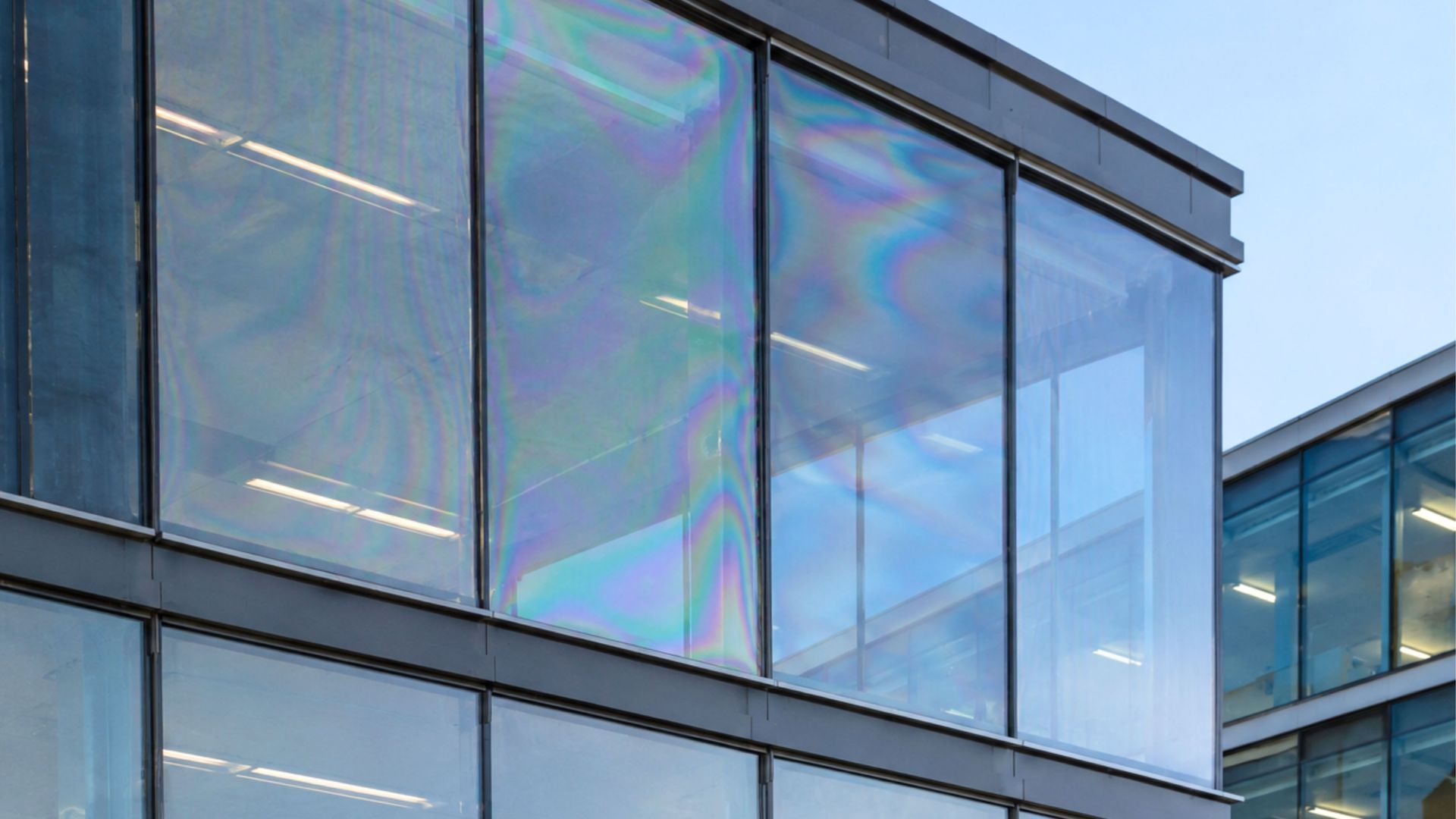
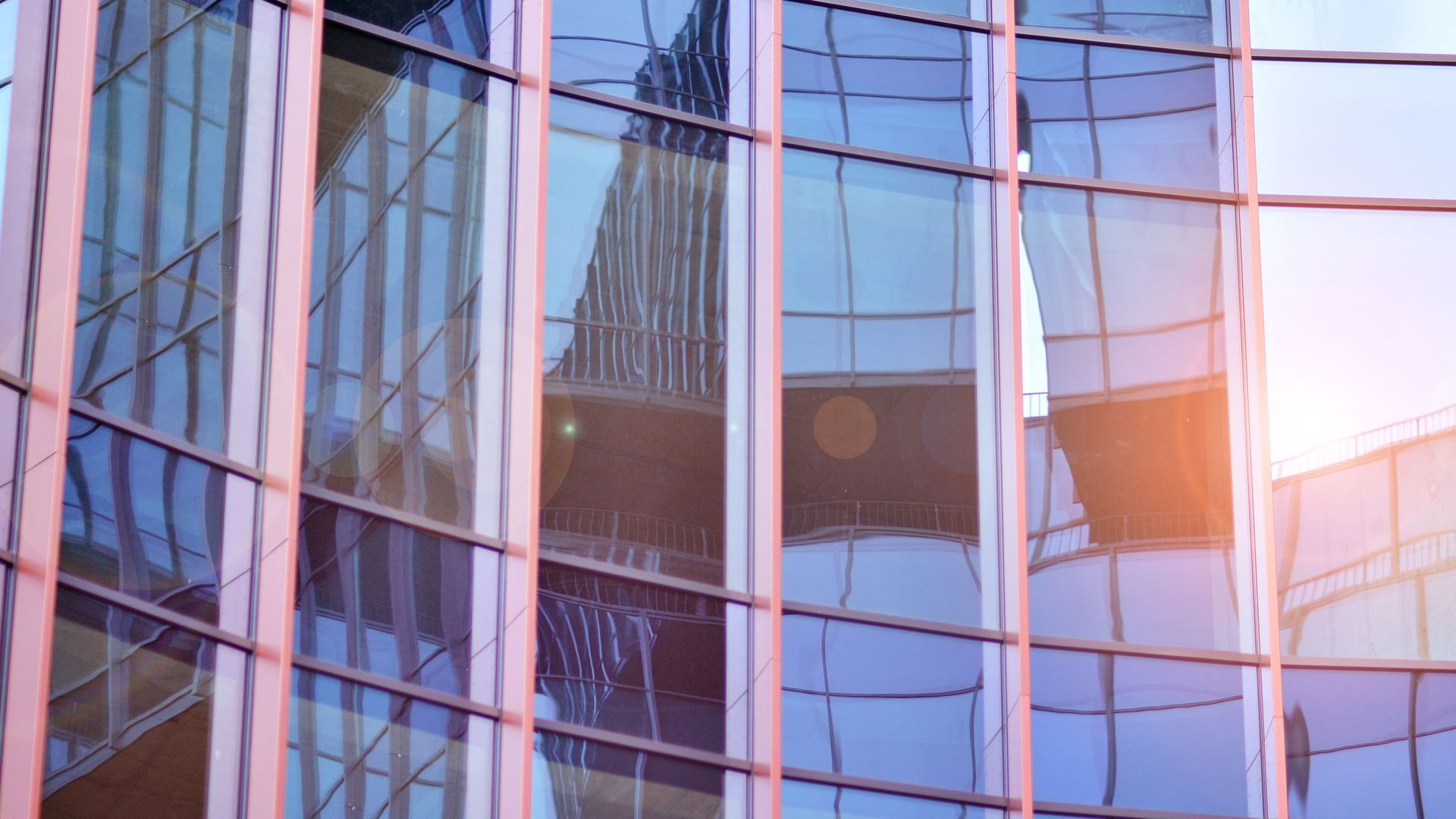
Low-e coatings can change the level of reflection and, in some cases, its colour. From outside, this may make one glazed surface appear slightly more reflective than another.
How noticeable the effect is depends on several things:
- The type of low-e coating
- The underlying glass substrate
- Glass thickness
- Whether the pane is part of a double- or triple-glazed unit
- Interior and exterior light levels
- Viewing angle
- Surrounding buildings, sky and landscape
Reflections can therefore change throughout the day.
A window that looks highly transparent when an interior is brightly lit might appear more reflective when the exterior is brighter than the room behind it.
This isn't unique to low-e glass. However, coatings give specifiers another variable to consider.
What about blue haze on low-e glass?
The phrase "low-e glass blue haze" is sometimes used to describe a bluish or slightly cloudy appearance seen under certain conditions.
It's worth being careful with the terminology here.
A subtle blue reflected colour may simply be part of the optical appearance of a particular coated glass product. That doesn't mean the glass is defective or actually "hazy".
True haze, cloudiness or staining can have other causes and shouldn't automatically be blamed on the low-e coating.
Light conditions also make a difference. Coated glass can change appearance according to the angle from which it's viewed and what it's reflecting.
If glass shows an unexpected or inconsistent appearance, particularly across adjacent panes, the sensible approach is to establish whether you're seeing a normal characteristic of the specified product or a genuine processing, installation or contamination issue.
Does low-e glass make rooms darker?
Not necessarily.
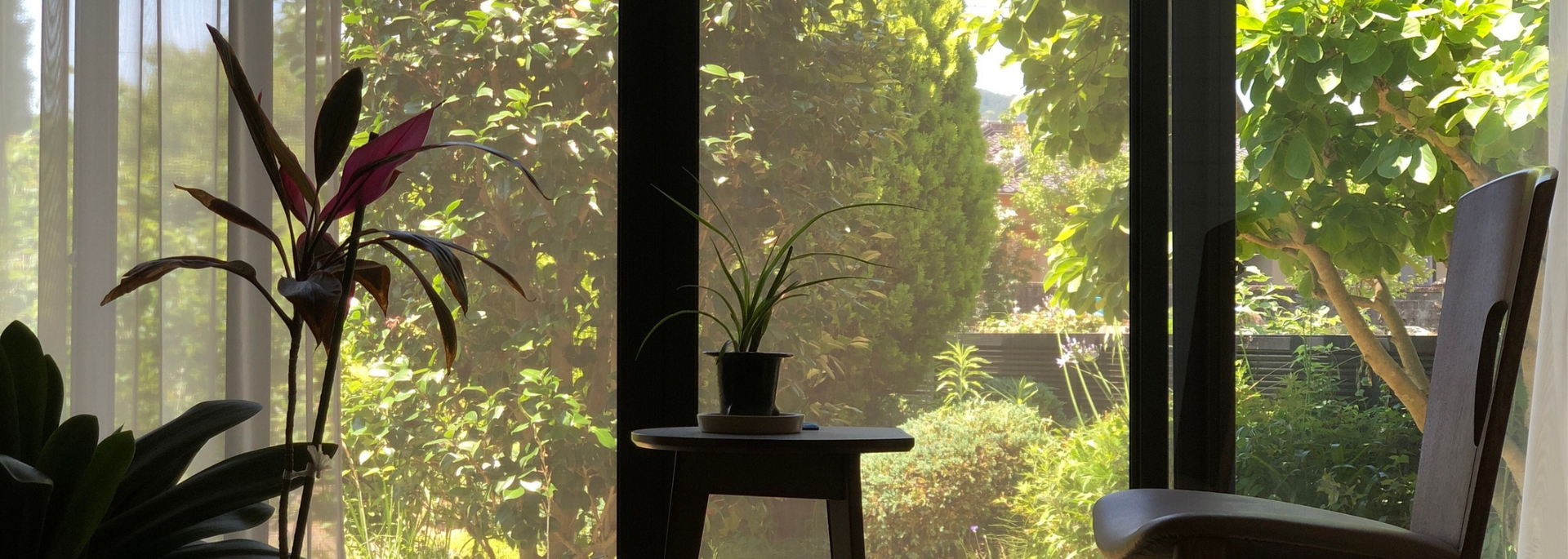
The relevant figure here is visible light transmission (VLT) – the proportion of visible light that passes through the glazing.
A higher VLT generally means more daylight reaches the interior. However, there's no single VLT for low-e glass because different coatings are designed to achieve different things.
Some high-performance solar-control products intentionally reduce solar energy while retaining relatively high levels of visible light. This balance between daylight and solar control is an important part of modern coating design.
That's why buyers shouldn't judge low-e glass purely by whether it has a coating. Look at the actual performance data.
How should you compare the appearance of low-e glass?
For architects, glazing contractors and other trade buyers, specification should involve more than choosing the lowest possible U-value.
If appearance is important, consider:
- Visible light transmission: how much daylight passes through
- External and internal reflection: how reflective the glazing appears
- Colour rendering index (CRI): how naturally colours appear through the glass
- Glass substrate: standard clear, low-iron or tinted
- Coating colour: particularly in reflection
- IGU construction: additional panes can alter the finished appearance
It's also important to avoid casually mixing different glass specifications across a visually continuous facade or group of windows.
Project mock-ups can be useful where colour consistency is particularly important, because coatings, laminates and different glass configurations can all affect the final appearance.
A clear low-e option for domestic glazing
For trade professionals supplying windows and doors to domestic customers, ClimaGuard® 365 combines low-emissivity performance with solar control while maintaining a neutral appearance.
In its standard double-glazed configuration, ClimaGuard 365 achieves 75% visible light
transmission, with external light reflectance of 13%, internal reflectance of 14% and a colour rendering index of 95.
In practical terms, that means plenty of natural light and natural-looking colours without a pronounced tint.
At the same time, ClimaGuard® 365 provides a Ug value of 1.0 W/m²K and helps reduce unwanted solar heat gain. For installers and other trade buyers, that means being able to offer year-round thermal performance without making highly reflective or heavily tinted glazing part of the aesthetic.
ClimaGuard 365 is supplied as part of a double- or triple-glazed IGU and can be provided as annealed, heat-strengthened, toughened or laminated glass.
So, if you're sourcing high-performance low-e glass for residential windows or doors, get in touch with ToughGlaze to discuss your specification or request a quick, competitive quote.