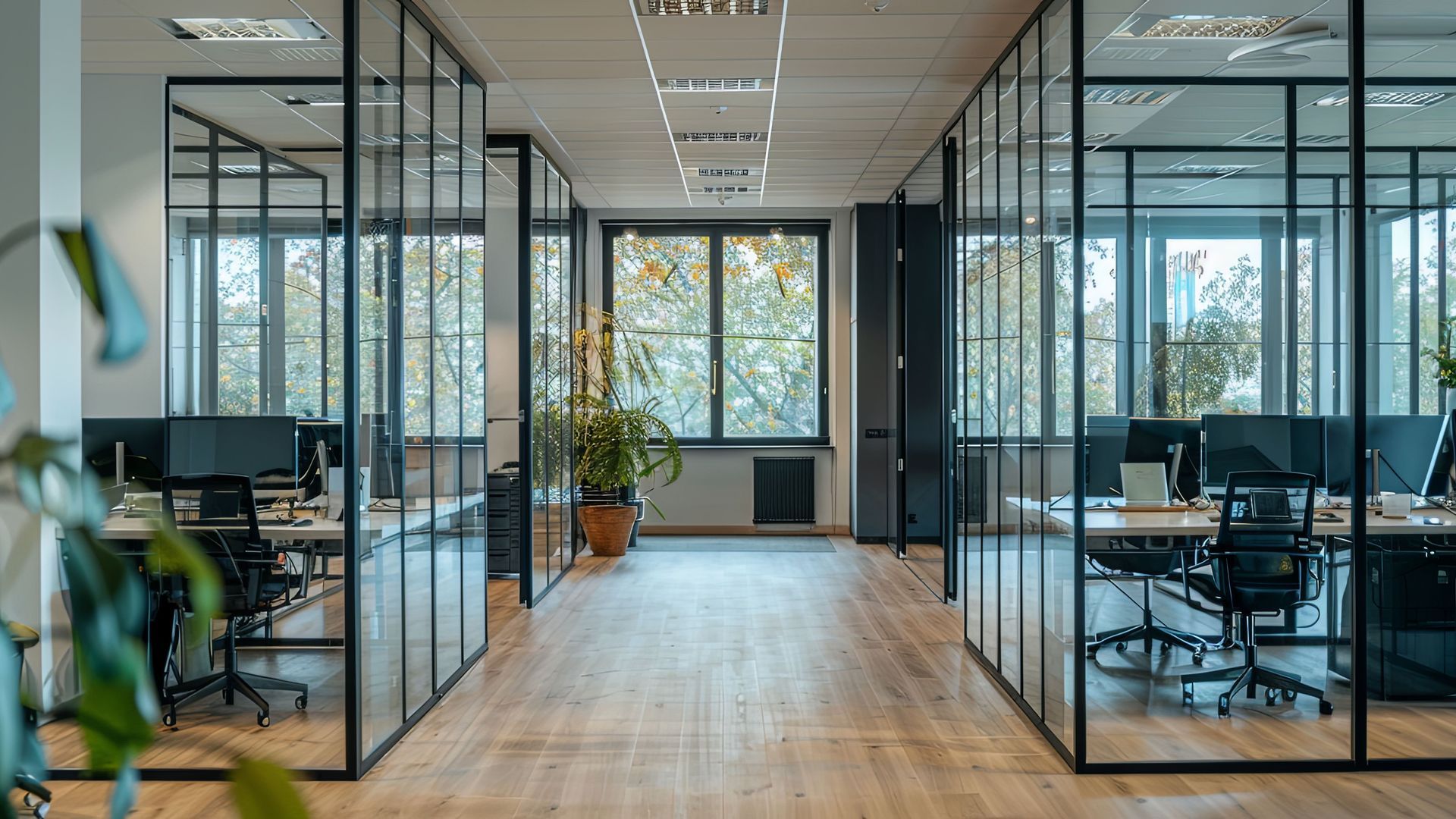
Using coloured glass interlayers to influence mood and perception
Coloured glass is often used in architecture to set a mood. Learn how a little colour (and a little glass) can change how a space is perceived.

Colour plays an important role in how people experience the spaces around them. From calming blue tones in healthcare environments to vibrant reds in retail interiors, colour can influence the atmosphere of a room, shape visual perception and contribute to a building's overall identity.
In architectural glazing, coloured glass interlayers offer a versatile way to introduce colour while retaining the practical benefits of laminated glass.
By combining carefully selected interlayer colours with different glass types, architects, interior designers and specifiers can:
- Create distinctive visual effects
- Manage light transmission
- Establish a particular mood within a space
Whether used in commercial buildings, offices, hospitality venues or residential properties, coloured interlayers let you unite aesthetic design with functional performance.
What are coloured glass interlayers?
Coloured glass interlayers are thin sheets of coloured polymer placed between two or more panes of glass during the manufacture of laminated glass.
Manufacturers bond the glass panes and interlayer using heat and pressure, creating a composite product that combines visual appeal with important safety benefits.
Unlike surface-applied films or coatings, the colour is incorporated within the laminated glass construction. This provides a more integrated finish, with the interlayer protected between the glass panes from direct contact, everyday wear and many sources of surface damage.
Interlayers are available in a variety of colours, shades and levels of transparency. Depending on the product selected, they can create subtle tints, rich saturated colours or layered visual effects.
Some constructions combine coloured interlayers with clear, tinted or specially coated glass to achieve a particular appearance.
An important advantage of laminated glass is its breakage behaviour. The interlayer helps hold fragments together, reducing the likelihood of glass pieces falling away immediately.
That means coloured interlayers let designers incorporate colour into a durable glazing solution while retaining the safety characteristics associated with an appropriately specified laminated glass product.
How can I use coloured interlayers to influence mood and perception?

Colour can change how people interpret and experience an architectural space. Colour choices can make a space feel calmer, or more energetic, intimate or expansive.
1. Creating calm and relaxing environments
Blue and green tones are often associated with nature, tranquillity and relaxation. Coloured laminated glass in these shades can help establish a soothing atmosphere in healthcare settings, wellness centres, spas, hotels and residential interiors.
Pale blue glazing, for example, may introduce a subtle colour cast without overwhelming the surrounding design. Green interlayers can complement natural materials, plants and timber finishes, helping create visual continuity between indoor spaces and the outdoors.
2. Encouraging energy and engagement
Warmer colours, including red, orange and yellow, can introduce a sense of warmth, activity and visual excitement. These colours suit entertainment venues, leisure facilities, retail environments and certain communal spaces.
A vibrant coloured-glass partition can become a focal point within a reception area, while a more restrained amber tone can add warmth without dominating the interior.
3. Shaping spatial perception
Coloured interlayers can influence how a space is visually understood. Transparent coloured glazing allows sightlines to continue between areas while introducing a distinct colour identity.
This can help separate zones within open-plan offices, restaurants, educational buildings and commercial interiors without relying on solid walls.
Different colours can also help establish wayfinding cues, identify particular departments or reinforce a brand's visual identity.
4. Controlling light and visual comfort
Coloured interlayers alter the appearance of transmitted light, depending on their spectral properties and the overall glass construction. They can create distinctive lighting effects as daylight passes through the glazing, changing the atmosphere as external conditions vary.
However, colour selection should not be based on appearance alone. Coloured glass may reduce visible light transmission or affect the perceived colour of objects viewed through it. Excessive contrast, reflections and glare can also influence visual comfort.
Designers should therefore consider the glazing's orientation, surrounding surfaces, artificial lighting and intended use. Where colour is used in workspaces, healthcare facilities or educational environments, visual comfort and task requirements should remain priorities.
What kinds of glass can have coloured interlayers?

Coloured interlayers can be incorporated into several laminated glass constructions. Compatibility, however, depends on the selected products and the manufacturer's capabilities.
1. Clear laminated glass
Clear glass combined with a coloured interlayer is a popular choice when the aim is to achieve a defined colour while maintaining a relatively neutral glass appearance. It's suitable for applications such as internal partitions, doors, screens and decorative glazing.
2. Toughened laminated glass
Toughened laminated glass combines the strength characteristics of thermally toughened panes with an interlayer that helps retain fragments following breakage.
Depending on the specification, it can suit certain balustrades, doors, facades and other locations where enhanced strength or safety performance is required.
The complete assembly must be assessed for the intended application, including loading, fixing arrangements and post-breakage requirements.
3. Tinted and low-iron glass
Coloured interlayers can be combined with body-tinted glass to create deeper or more complex colour effects. Low-iron glass, meanwhile, can reduce the greenish cast associated with standard clear glass, helping coloured interlayers appear cleaner and more faithful to their intended shade.
4. Decorative and specialist laminated glass
Designers can also explore combinations of coloured interlayers with patterned, printed or other specialist glass products, subject to compatibility and manufacturing constraints.
Multiple interlayers may provide additional design possibilities, although their effect on optical quality, thickness and performance must be assessed.
Across all these options, the specification should address:
- Safety
- Structural requirements
- Light transmission
- Solar performance
- Colour consistency
- The suitability of the finished glass for its intended location
Coloured glass from ToughGlaze
Coloured glass interlayers provide architects and designers with an effective way to shape the appearance and atmosphere of built environments. By balancing colour, light, safety and technical performance, they can transform functional glazing into a distinctive architectural feature.
At ToughGlaze, we process, cut and ship an extensive range of coloured glass using Vanceva's interlayer palette. From a modest palette of eight foundational colours, you can combine interlayers to create more than 69,000 transparent, translucent or solid shades.
Want to explore how our coloured glass could help set the right mood for your project? Get in touch with our UK team for expert product advice or to request a quick, competitive quote.