Outdoor glass balustrade ideas for architects and designers
Are you looking for design inspiration for an outdoor glass balustrade? Explore ideas from our glass experts.
Proverbially, glass is breakable. Just think of poor Debbie Harry and her shattered heart of glass – or the injunction never to throw stones in glass houses.
In the 21st century, however, these proverbs and metaphors are outdated. Glass products like
toughened glass and
laminated glass aren't just exceedingly hard to break, but they're also used specifically to increase the safety of an installation.
This is nowhere more clearly seen than in the world of structural glass. All across the world, people walk across glass bridges, ride in glass elevators and admire the view from glass balconies. None of this would be possible if they were easily breakable.
It can also be seen in the prevalence of
glass balustrades – those protective railing systems found on staircases, balconies and terraces.
A balustrade consists of a series of vertical posts, known as "balusters", and a handrail. It acts as a safety barrier – but not just any old safety barrier. This is a safety barrier that bespeaks sophistication, class and a high-end lifestyle.
Balustrades aren't always made from glass. They can also be made from wood and metal. But when a designer, architect or installer chooses glass for their balustrade, you know they want to communicate something out of the ordinary.
And like all examples of structural glazing, glass balustrades come in a remarkable number of shapes and sizes. This versatility comes from three things:
- The decision to use or omit a frame
- The type of glass used
- Any additional touches like integrated lighting or wire rope infills
Inspiration for outdoor glass balustrades is everywhere – from hotels to banks, from offices to shopping centres. But if you're itching for ideas, you've come to the right place. Here are some questions you can ask to spark your inspiration.
1. Frame or no frame?
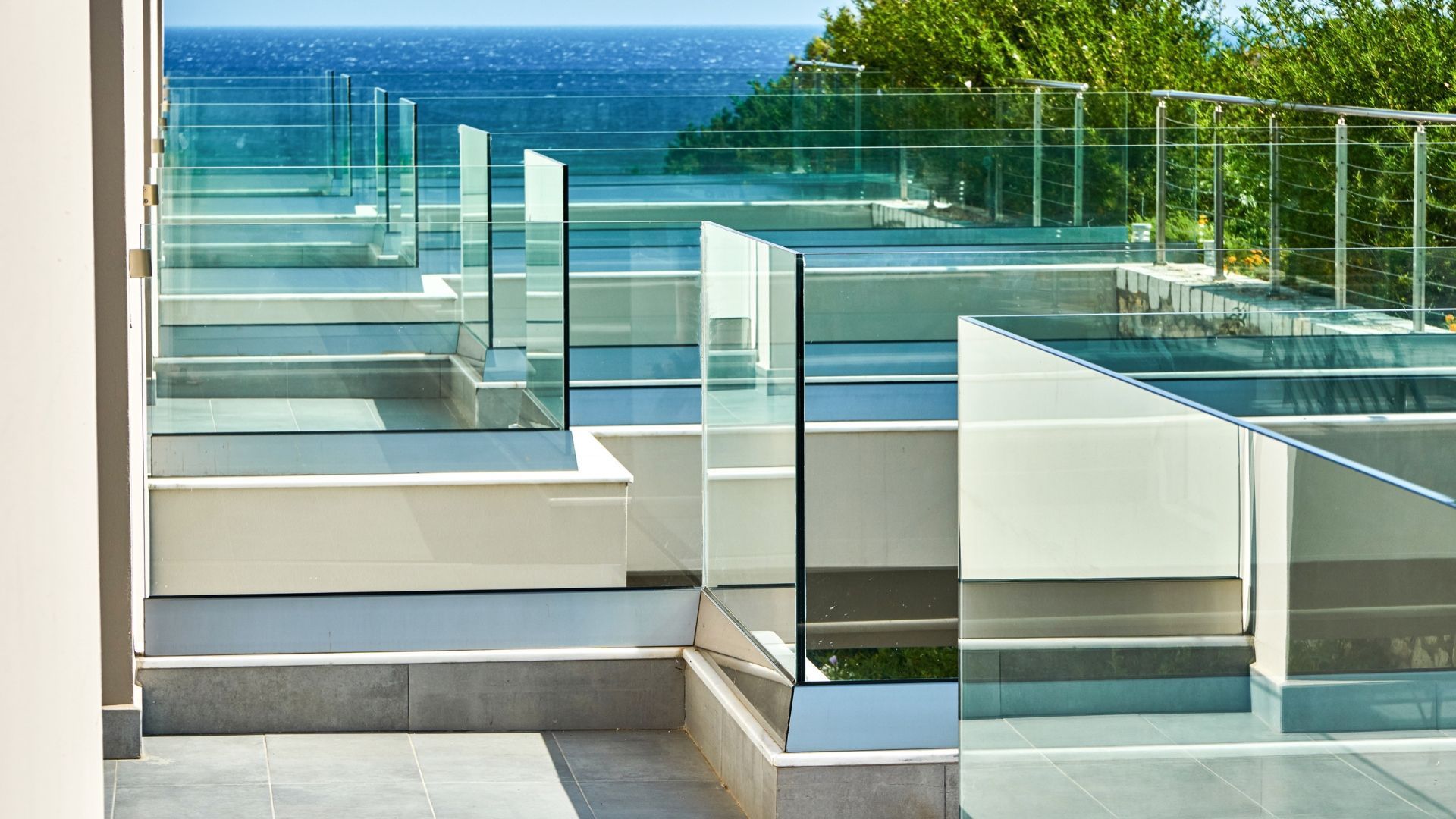
Perhaps the single biggest distinguishing feature of an outdoor glass balustrade is its frame – or lack of one.Frameless outdoor glass balustrades offer a sleek, unbroken expanse and an uninterrupted vista. Let's put it this way: if your project would suit an infinity pool, it will probably suit a frameless balustrade.
Of course, while frameless balustrades are frameless, they have to be fixed in place. This can be achieved in several ways, whether spigots, hidden channels or our
invisible fixings.
Balustrades can also be semi-frameless. This typically means they lack an external frame but have visible posts – visible yet discreet. This style balances the contemporary with the traditional, making it a popular choice for designers who want some classic design elements mixed with the ultra-modern.
Then there are traditional framed glass balustrades. These have a visible external frame as well as visible supporting hardware. The frame is typically made from stainless steel or aluminium – excellent materials for outdoor use.
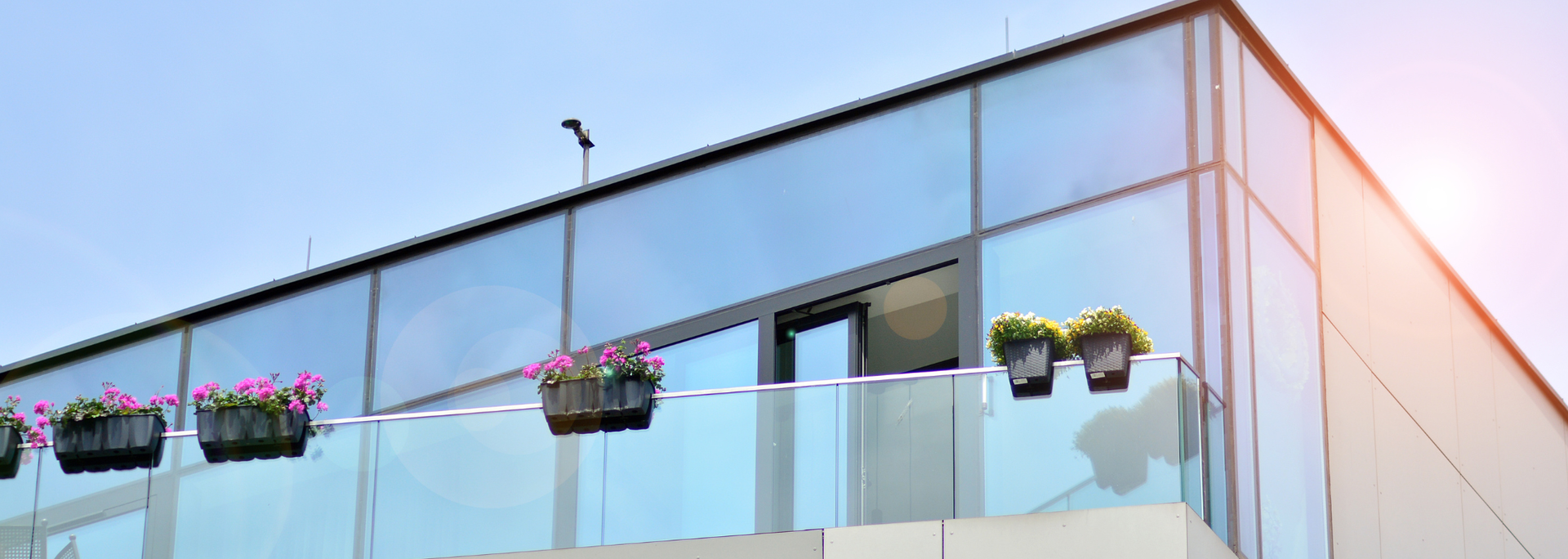
These don't have the uninterrupted views that frameless balustrades offer. But they can be just as stylish. It all depends on the overall aesthetic of the design project and how much you want the balustrade to blend in or stand out.
2. What kind of glass?
Designers and architects aren't only faced with choices relating to the frame. They also need to decide on the type of glass the balustrade will be made from.
Clear glass is a popular choice. It maximises views and maximises the amount of natural light entering a building or balcony. This makes it ideal for installations where the inside and outside are blended and there's scenery to be enjoyed.
The problem with clear glass, of course, is that it puts the innards of your building on display. This can be countered by vegetation, awnings and other design features. Nevertheless, some designers want privacy to be built into the balustrade.
In this situation, frosted glass is the way to go. It stops prying eyes from seeing in while still allowing light to enter .Alternatively, you can use tinted glass – the kind you might see on the side of a limousine. This does the same job as frosted glass while providing a more deluxe atmosphere.
3. Any finishing touches?
Once you've decided whether the balustrade will have a frame or not and picked the right glass for the job, it's time to explore design ideas.
One of the great advantages of glass as a building material is that it can be printed on. A hotel, for instance, could have its name, logo or other branding digitally printed or screen-printed onto the balustrade.
Glass can also be curved. This can add aesthetic interest to a building, whether as a stand-alone piece or part of a larger curvaceous creation.
If you want an industrial look, you could have stainless steel posts with wire infill. This is an excellent way of balancing security, durability and whatever views are at hand.
Last but not least, you can integrate LEDs and other kinds of lighting into handrails, base channels or both. This serves a dual function. First, it lets you play with light – another way of finessing your project's aesthetic. And secondly, it lets you improve safety on decks, balconies and steps.
Your questions answered
Looking for high-quality, made-to-measure glass for balustrades? At ToughGlaze, we supply a wide range of glass products to suit a vast array of functions and aesthetics. Get in touch with our team today to discuss your project or request a quick, competitive quote.