Oversized glazing: a guide for architects and construction firms
What is oversized glazing, and what do you need to consider when specifying it? Get to grips with glass types, common challenges and more.
We live in an age of extremes. On the one hand, things seem to be getting smaller and smaller – from nanoprocessors to 20-second TikTok videos.
On the other hand, things are being built on a bigger scale than ever before. In the world of architecture, big is beautiful, whether in London, Dubai or Beijing.
For these large-scale projects to happen, architects need access to specialised oversized glazing. Why? Because the modern aesthetic prioritises seamless, floor-to-ceiling views with minimal or hidden framing that flood the interior with natural light.
You can approximate a design like this with lots of smaller windows. In fact, this was a popular approach in the 19th and 20th centuries – an approach that led to the construction of some much-loved buildings. But if you want your finger on the pulse, oversized glazing is the way to go.
But what do we mean by oversized glazing, exactly? And how does it differ from so-called "jumbo glass"?
What is oversized glazing?
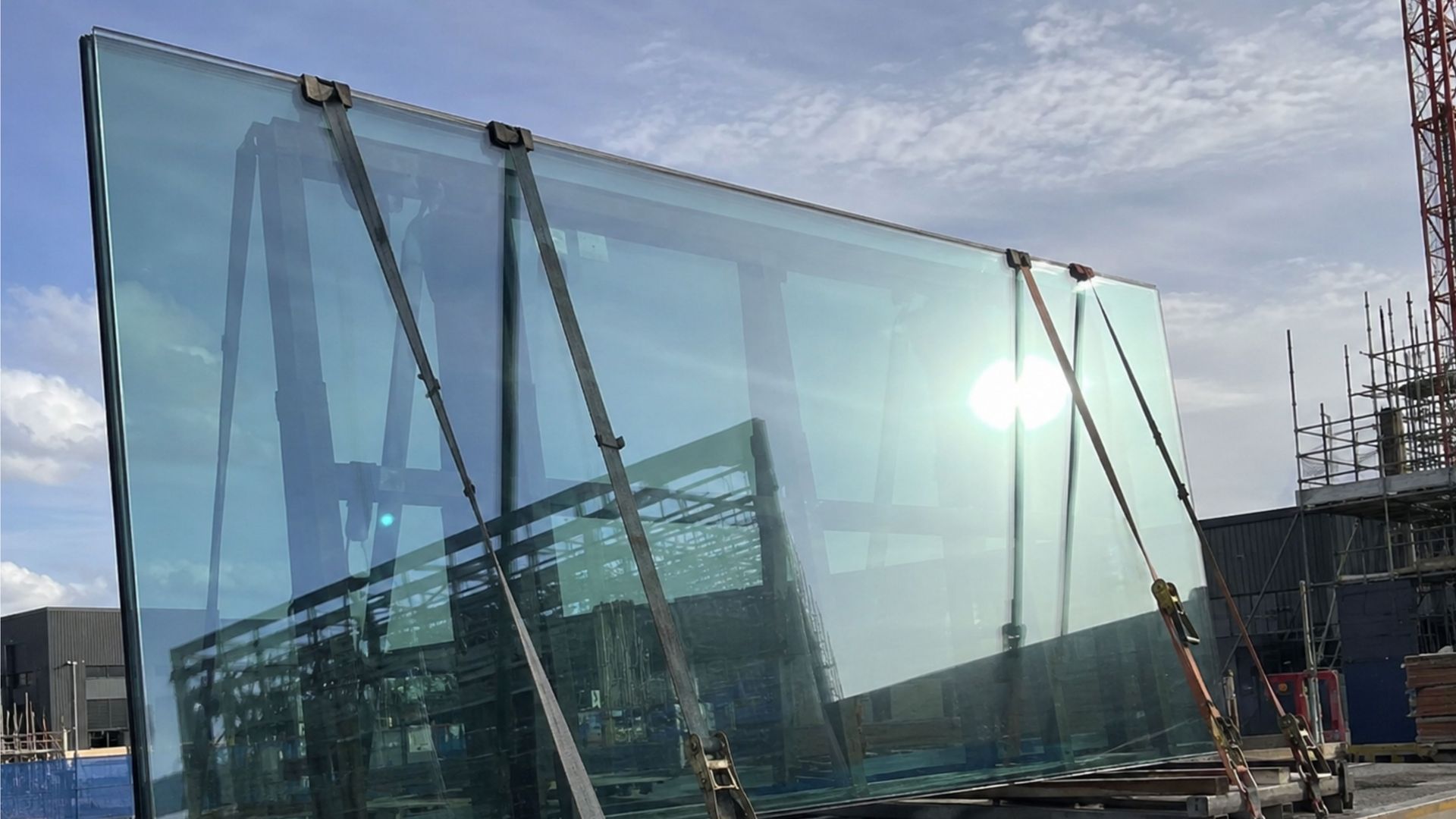
The phrase "oversized glazing" refers to glass panes that exceed standard manufacturing sizes. They're usually made from jumbo glass. These are large, raw sheets of float glass, usually measuring around 3,300 mm by 6,000 mm.
Oversized glass panels are often used in modern architecture as a way of maximising natural light and creating wide, sleek expanses of glass. Like so many aspects of architectural glazing, oversized glass enhances aesthetics while improving performance.
What is oversized glazing used for?
Oversized glazing is used whenever a building needs a large expanse of glass without noticeable framing.
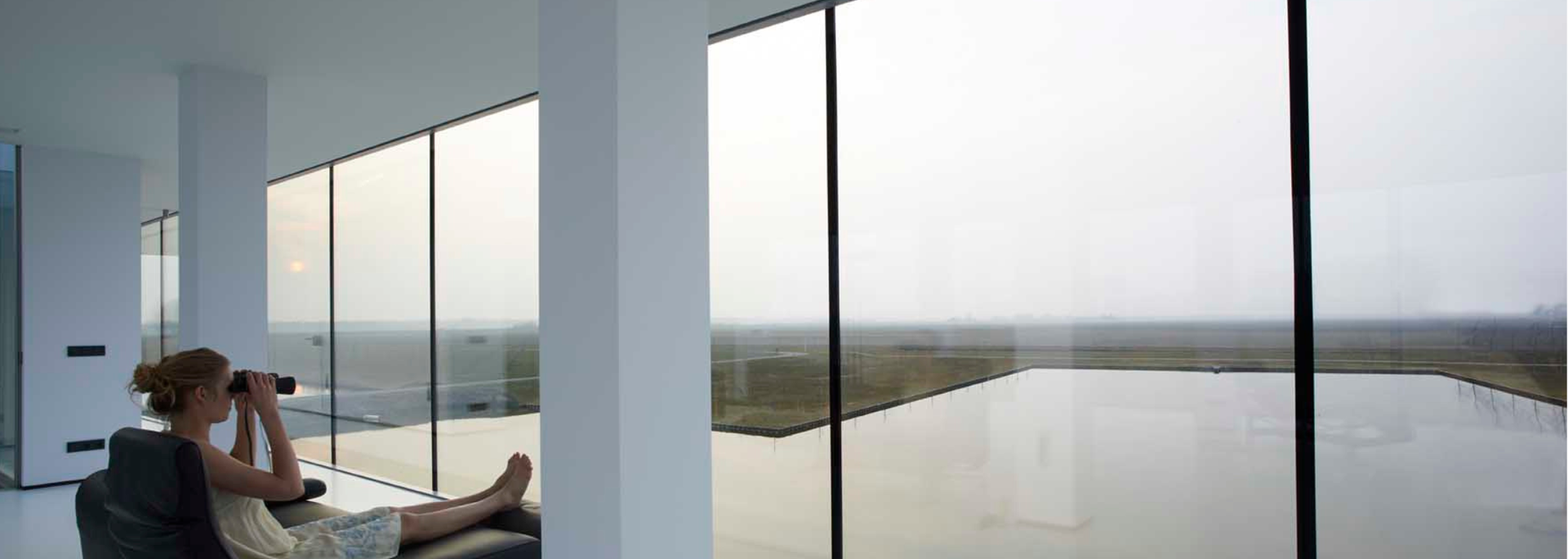
In both residential and commercial facades, oversized glazing is used for sliding doors, swivel doors and floor-to-ceiling panoramic windows.
At the entrance of a building, oversized glazing can create an undeniable wow factor. For building users, meanwhile, it maximises natural light and connects the indoors with the outdoors.
In luxury homes, showrooms, restaurants, hotel lobbies and the like, oversized glazing enables architects to achieve uninterrupted views. This is possible because of the lack of visible joints and frames.
In high-end shops, oversized glazing is used to display products. And because of the strength of modern
safety glass, those products are protected against burglars and bunglers.
Similar applications can be found in zoos and aquariums – any space, in fact, where a protective display barrier is required.
In
architectural glazing, oversized glass is used for
glass roofs, skylights, atriums and curtain walls. As in its other applications, this allows architects and designers to achieve a clean, sleek, seamless look.
What are the benefits of oversized glazing?
Perhaps the biggest advantage of oversized glazing is that it maximises the amount of natural light entering a building. In architecture, this practice is known as "daylighting" and is said to boost the well-being of building occupants.
At the very least, oversized glazing can help create a bright and welcoming interior. It also helps make buildings more environmentally friendly by reducing their reliance on electric light.
This is especially the case when the oversized glass is toughened or laminated. These types of safety glass provide high levels of thermal performance, as well as strength.
Another benefit of oversized glass is that it allows for seamless and uninterrupted views. This is good for building users and also functions as a symbol of status – one that can add financial value to the property.
The benefits of oversized glazing, then, are mostly felt by building users. But it also has an advantage for glass fabricators.
When making jumbo glass, you see, glass fabricators can optimise their cutting layouts. This can help minimise material waste and product defects during the production process.
What kinds of glass are used for oversized glazing?
Most applications of oversized glazing are in buildings used by people. For that reason, the glass needs to be safe, as well as oversized.
That's why architects often specify
toughened or
laminated glass. They also sometimes specify insulated glass units (IGUs).
Laminated glass is used for its superior strength – up to six times stronger than standard float glass. As well as being strong, it's highly durable, thermally efficient and good for sound reduction. Meanwhile, toughened or tempered glass is impact-resistant and thermally efficient.
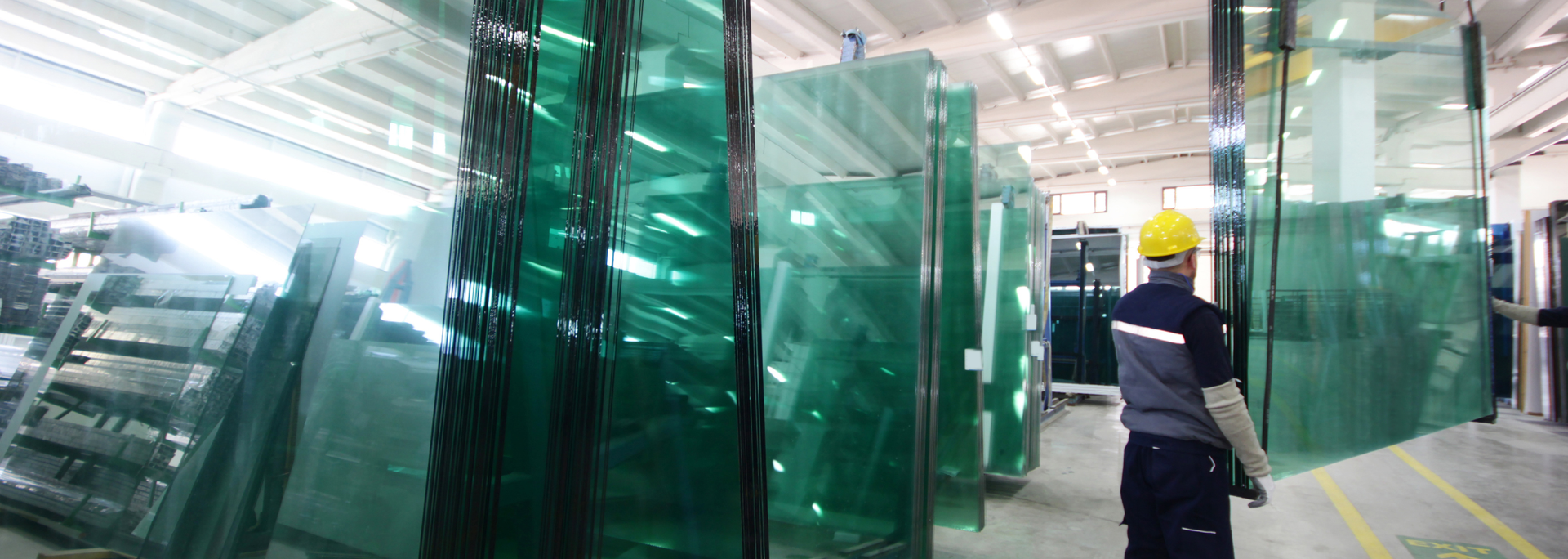
In some settings, these two types of safety glass aren't optional – they're mandatory according to local building regulations. In so-called "critical locations", safety glass is necessary to keep people safe.
They qualify as safety glass for two reasons. First, they're hard to break. And secondly, in the event they actually
do break, they do so relatively safely.
Laminated glass units are built so that the glass stays in its frame when broken, whereas toughened glass shatters into lots of tiny, smooth pieces.
What are the challenges presented by oversized glazing?
Oversized glazing opens up many possibilities for designers and architects. But its sheer size also creates logistical challenges.
Oversized glass is heavy – really heavy. This means it requires specialised machinery for handling and installation.
And because oversized glass panels are so big, they need to be made from safety glass. This could be toughened glass or laminated glass, depending on the specific application.
These factors all add up to make oversized glazing more expensive than standard glazing, as well as more expansive. That's assuming that your chosen glass processor has the facilities to manufacture glass in jumbo proportions. Many don't.
Big-budget projects will often specify oversized glazing for breathtaking expanses of glass. For smaller projects, however, these frameless installations can be too costly to specify, handle and install.
How we can help
At ToughGlaze, we manufacture toughened glass panels with a maximum size of 2,800 mm by 6,000 mm and a thickness range from 4 mm to 19 mm. Our laminated glass sizes, meanwhile, range from 2,600 mm to 5,900 mm with thicknesses ranging from 9.5 mm to 60mm.
All our products are manufactured here at our state-of-the-art facilities in Bedford and tested to BS EN 12150 and BS EN 12600.
So, if you're looking for a toughened glass supplier that can handle large dimensions and complex projects, don't hesitate to get in touch with our experts.