
The simple guide to Scottish building regulations for safety glass
Are you installing glass in a building in Scotland? Find out which building regulations apply to you – and why they matter.

When installing glass in a building, you need to be sure that your materials and installation are compliant with building regulations. These differ from place to place. In Scotland, for instance, they're not the same as the rest of the UK – although they have much in common.
In this article, we break down Scottish building regulations for safety glass – our speciality. But before we go any further, it's important to make a disclaimer.
This article is not intended to serve as a substitute for official building regulations. It is provided for general guidance only. Please refer to the relevant official documentation and do not rely solely on the information presented here.
With that out of the way, what is safety glass, exactly?
What is safety glass?
Safety glass is a category of glass products that includes glass specially treated to be extra-strong and to break safely.
It's manufactured in different ways. All processes, however, have the same aim: to minimise injury in the event of a breakage.
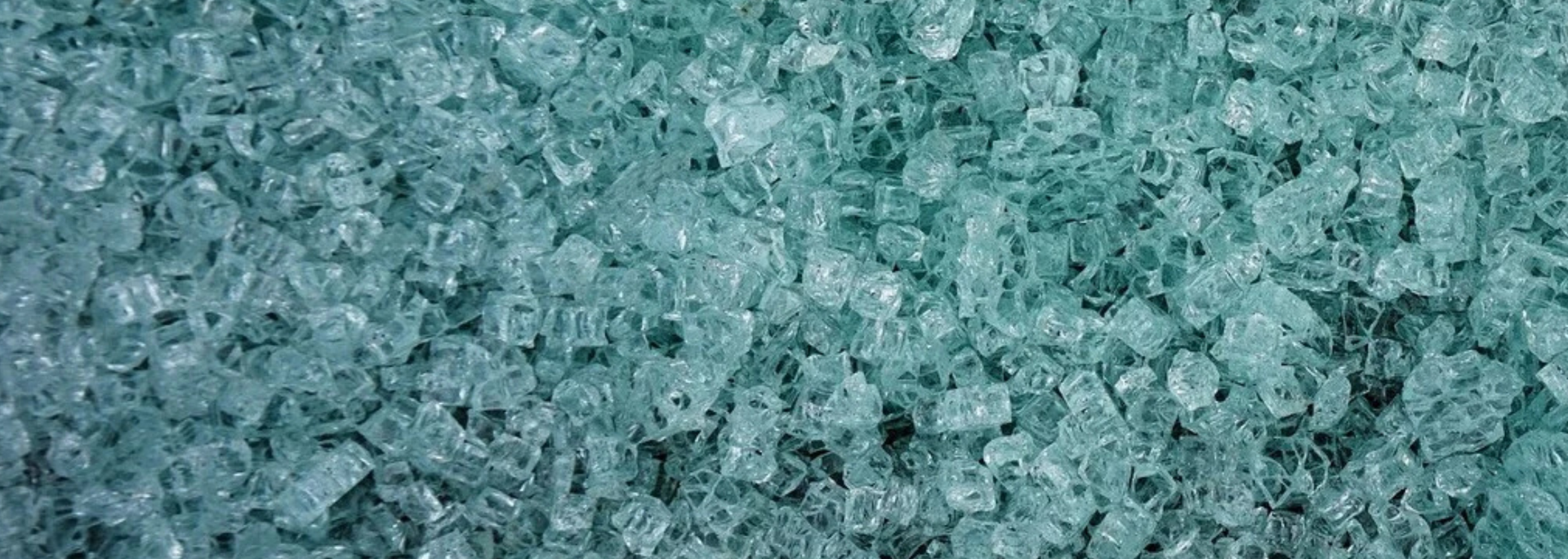
In the case of toughened glass – sometimes known as "tempered" glass – this involves shattering into small, pebble-like pieces. These blunt nuggets are far less likely to cause injury than the shards created by a broken pane of standard annealed glass.
In the case of laminated glass, it involves laminating two sheets of glass together with a plastic interlayer. When it breaks, the glass is more likely to remain in its frame, reducing the chances of injury from falling glass.
Safety glass is commonly used in:
- Doors
- Low-level windows
- Side and rear car windows
- Glass stairs
- Balustrades
- Flooring
- Shower screens
- Tabletops
- Shelves
In some cases, safety glass is mandatory. These applications are similar in different places but not always exactly the same.
What are the Scottish building regulations for safety glass?
Scottish building regulations for safety glass are outlined in the Technical Handbook Section 4.8. They require safety glass tested to BS EN 12600 standards in "critical locations".
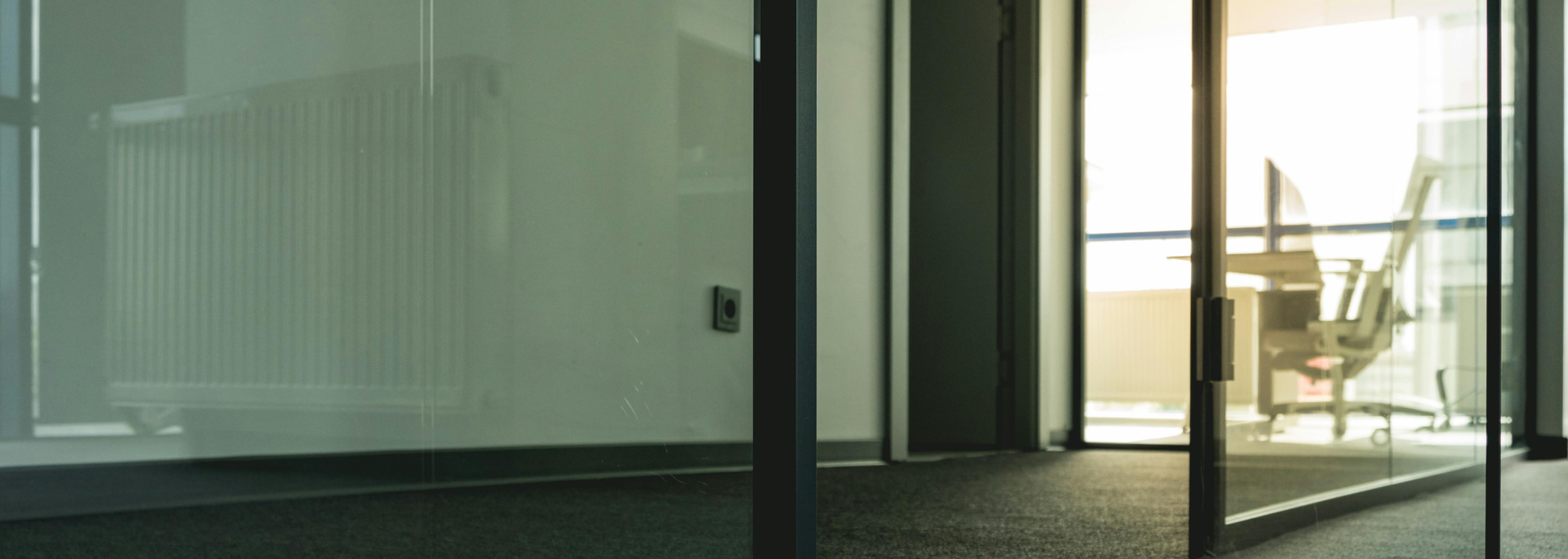
These critical locations include the glass in doors, low-level glazing below 800 millimetres from the floor level and side panels within 300 millimetres of a door.
The same goes for bathrooms and wet areas. The glass in showers, bath screens and any surrounding areas must be safety glass.
Glass used for guarding, such as balustrades and barriers, must comply with BS 6180:2011. This is to ensure they can handle structural loads.
There are also building regulations in the Technical Handbook related to glass markings. Safety glass must be permanently marked with the relevant BS EN standard.
Moreover, glass walls or doors in non-domestic buildings that can't easily be seen must have permanent markings known as "manifestations" to prevent collisions. These should be placed between 850 millimetres and one metre – and between 1.4 metres and 1.6 metres – above floor level.
How do the Scottish building regulations for safety glass differ from elsewhere in the UK?
Broadly speaking, Scottish building regulations for safety glass, as outlined in the Technical Handbook, tend to be more stringent than in the rest of the UK.
In practice, this means that they often require higher performance standards in fire safety and security. On top of this, new safety standards tend to be implemented earlier than in other parts of the United Kingdom.
These broad strokes aside, there are some key differences in Scottish safety glass regulations from the rest of the UK. These are:
- Security glazing.
Scotland often requires higher security standards for accessible windows and doors, such as the use of laminated glass on ground floors. This differs from England's Approved Document Q.
- Fire safety.
Scottish building regulations often have stricter standards for glass in fire-rated applications.
- High-rise safety.
New safety standards for high-rise buildings with regard to cladding and fire resistance have been implemented more quickly in Scotland than in England. In Scotland, for instance, these standards apply to buildings with a storey 11 metres above ground compared to 18 metres in England.
- Cleaning safety.
Scottish building regulations specifically mention the safe cleaning of windows and roof lights to prevent falls. These include specific requirements related to safety glass.
Despite these differences, the fundamental aim of the safety regulations is the same: to prevent, as far as possible, injury from human impact with glass.
Who enforces building regulations in Scotland?
Building regulations in Scotland are primarily enforced by local authorities. These act as "verifiers" under the Building (Scotland) Act 2003. Their responsibilities include checking building warrants, inspecting work and issuing completion certificates.
Why are building regulations for safety glass important?
There are two main reasons why building regulations for safety glass are important, in Scotland as elsewhere: safety and compliance.
Let's take safety first. All these regulations exist to make buildings safer places to be. They decrease the likelihood of injury from accidental impact in high-risk, high-traffic critical locations. This is all thanks to the distinctive breakage patterns of laminated glass and toughened glass.
Then there's the question of compliance. Non-compliance with building regulations can have serious consequences. You could be forced to pay for alterations or remove work entirely.
Local authorities also have the power to prosecute, leading to unlimited fines. What's more, missing completion certificates can make the sale of a building more difficult, as well as affect mortgage applications and insurance claims.
How we can help
Here at ToughGlaze, we provide architects, designers and installers in a wide range of industries with high-quality toughened and laminated glass. All our products carry the Kitemark seal and are tested to meet relevant BS EN standards.
So, if you're looking for a trusted toughened and laminated glass supplier, get in touch today for a quick, competitive quote. With more than 30 years in the industry, we know how to provide the right materials for the job – right on time and right on spec.