Window glass thickness: standard thicknesses and considerations
Different types of window glass come in different thicknesses. Learn about the most common thicknesses and how they impact your project.
When specifying glass for a window, there are many things to consider, from the credentials of the supplier to the precise material chosen.
One often-overlooked factor is the thickness of the glass. This can range from 4 mm for residential windows to more than 25 millimetres for structural applications, such as picture windows.
The thicker the glass, the harder it is to break. That's why
toughened glass is thicker than standard glass and
laminated glass is thicker than both.
But thickness isn't just about strength. Windows are multi-functional objects. Along with providing security (for which thick glass is required), they also provide varying degrees of soundproofing and thermal efficiency.
The thickness of glass will also affect the cost of the materials. For large-span windows, the glass needs to be thicker. And in areas where heavy winds are common, thickness is required to protect building inhabitants.
It's a lot to think about. But as with all aspects of architecture, it can be the difference between a safe installation and a project that puts people (and reputations) at risk.
Before we look at common considerations when specifying glass for windows, let's consider the most common window glass thicknesses.
What are the most common window glass thicknesses?
Standard residential windows, cabinet doors and tabletops are usually between 4 mm and 6 mm thick. In the world of windows, this is ground zero – unless you count hobby greenhouses, which can have windows of just 2 mm to 3 mm thick.
Glass partitions aren't usually grouped under the category of "windows", but they share many characteristics. In residential and commercial spaces alike, they tend to be made from toughened or laminated glass between 10 mm and 12 mm thick. Framed systems, however, can use 8 mm thick glass.
Where windows need to be safe, strong and impact-resistant, toughened glass (also known as "tempered glass") is used. In the case of critical locations, this use is stipulated by building regulations.
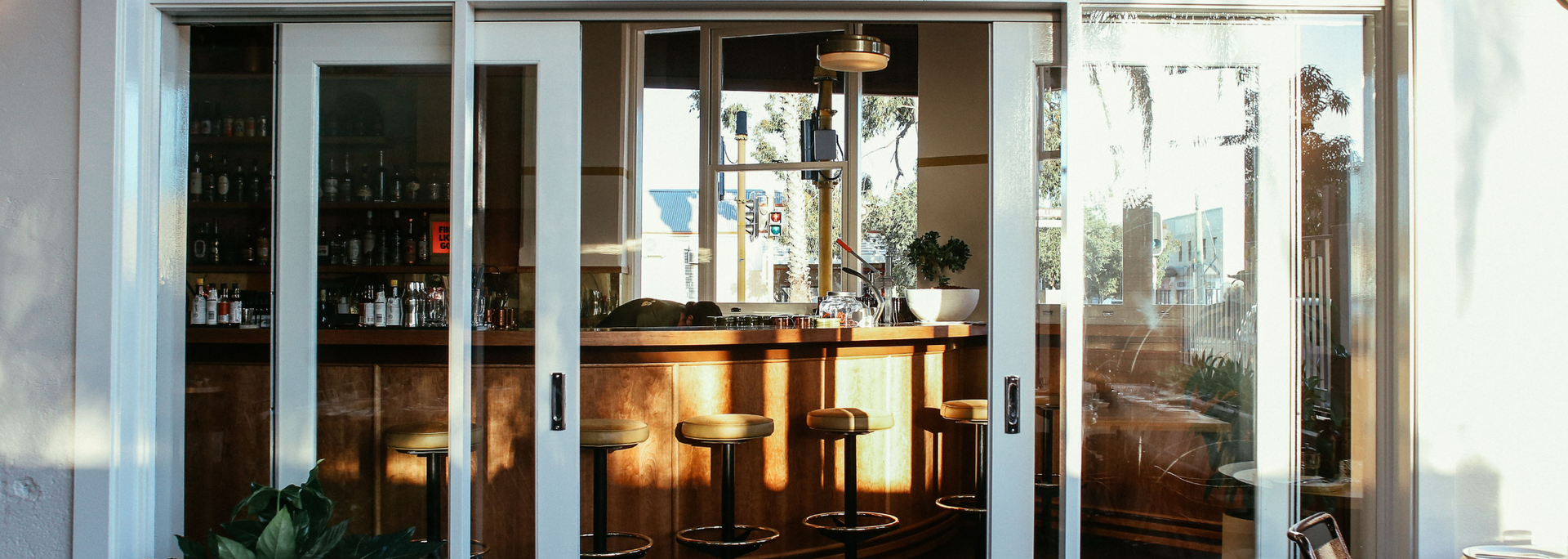
It's mandatory for low-level glazing, windows near doors, full-height panels and conservatory windows.
Toughened glass can be between 4 mm and 19 mm thick. The exact thickness specified will depend on the level of safety, soundproofing and thermal efficiency required.
Laminated glass is even tougher, more secure and more impact-resistant than toughened glass. It's often used for street-facing residential windows and ground-floor windows.
For residential windows, the most common thickness of laminated glass is 6.4 mm. If the project requires enhanced security or noise reduction, the laminated glass unit can be 8.8 mm, 10.8 mm or 12.8 mm.
Finally, fire-rated window glass can range from 6 mm to 40 mm thick. It all depends on the required level of fire protection and how many layers the glass unit has.
Generally speaking, the higher the fire resistance, the thicker the glass.
What factors affect the thickness of window glass?
The span and size of the window will affect the thickness of its glass. This is because larger panes of glass need to be thicker to prevent sagging and breaking.
Another key factor is wind loading. In some areas – for instance, at high altitudes or in coastal areas – thicker glass is required to withstand higher wind loads.
Aside from these contextual factors, there are several things to keep in mind when specifying glass from a supplier.
Things to keep in mind when specifying the thickness of window glass
Span
As a rule of thumb, the larger the area of glass, the thicker it needs to be. For example:
- A 600 x 600 mm window pane could use 4 mm glass.
- A 2,000 x 3,000 mm window would typically require a 10mm or 12mm pane.
Safety regulations
In some cases, safety regulations specify the thickness of glass required in a building project. Whatever the nature of the project, you should consult local and national building regulations before specifying your glass.
This is especially the case in the critical locations laid out in the UK's building regulations. In these applications, safety glass must be used – sometimes toughened glass, sometimes laminated glass and sometimes either. These are thicker than standard glass and provide extra safety.
Relatedly, high-traffic and public spaces often require thicker toughened glass for durability and public safety.
Soundproofing
Thicker glass generally offers better noise reduction than its thinner counterparts. The best soundproofing is provided by laminated glass, which uses two or more panes – often of different thicknesses.
Thermal efficiency
Thick glass helps reduce heat transfer, especially in double- or triple-glazed units or laminated glass. This makes thicker varieties of safety glass a go-to for buildings that require enhanced thermal efficiency.
Weight
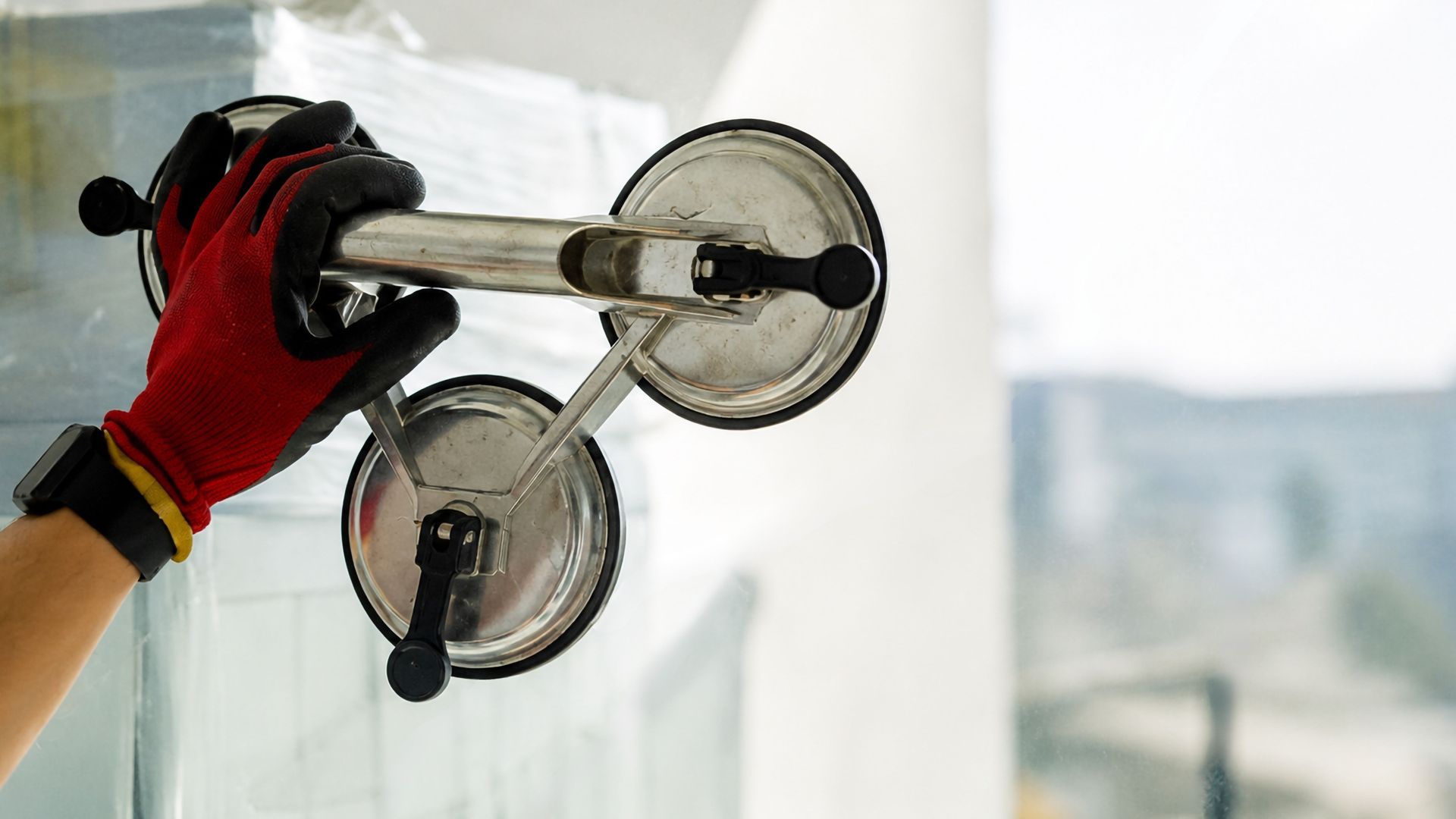
The thicker the window glass, the heavier it is. That means it needs stronger frames and often specialised lifting equipment for installation. This includes vacuum lifters, glass suction cups, trolleys for transportation, spider cranes and, in some cases, glazing robots.
Cost
Generally speaking, glass increases in price according to its thickness. That's because thick glass requires more raw materials and more energy to produce. It's also heavier, which makes it more expensive to ship and install.
Aesthetics
Finally, there's an aesthetic consideration when specifying window glass. Thin glass often has a more minimalist look, whereas thicker glass tends towards a luxurious appearance.
This will depend, however, on the other design elements surrounding the windows.
ToughGlaze is a glass processing firm based in Bedford, UK. We offer a wide range of glass and glazing products, all cut, processed and shipped under one roof. Are you looking for high-quality laminated or toughened glass for windows? Don't hesitate to contact our experts to discuss your project or request a quote.