Can glass be repaired instead of replaced?
Are you considering repairing broken glass? Find out when replacement is the best or only option.

Glass is used throughout homes, offices and commercial buildings – from windows and doors to shower screens, partitions and glazed facades.
Although glass is durable and designed to withstand everyday use, it can still become scratched, chipped, cracked or damaged by accidental impacts.
When this happens, one of the first questions is whether the glass can be repaired or whether a complete replacement is necessary.
The answer depends on the type of glass, the extent of the damage, its location and the safety requirements of the application. Understanding these factors can help property owners make cost-effective decisions while maintaining the safety, appearance and performance of their glazing.
When can glass be repaired?
Glass can sometimes be repaired when the damage is minor, localised and doesn't compromise its structural integrity. However, repair doesn't suit all types of damage, and a professional assessment is often needed before deciding on the best approach.
Minor chips and scratches are among the most common types of glass damage. Small surface scratches may be reduced using specialist polishing techniques, particularly when they are shallow and don't affect the glass's strength.
Deeper scratches are more difficult to remove and may leave visible distortions if polishing is attempted.
Small chips in certain types of glass may also be reparable, depending on their depth, position and the intended use of the glazing. Repair methods must be appropriate for the particular glass product, as removing too much material can weaken it.
Windscreen-style resin repairs are another example of how glass damage can sometimes be treated. Specialist resin can fill certain small chips and cracks in laminated automotive glass, improving visibility and helping prevent further damage.
Repair can also be possible when the problem relates to the surrounding glazing system rather than the glass itself. For example, failed window seals, loose fittings or damaged frame components may be repairable without replacing the glass pane, depending on the unit's condition.
The key consideration is whether the proposed repair will restore an acceptable level of safety and performance. If the damage affects the strength of the glass or creates a risk of breakage, replacement is generally the safer option.
When does glass need to be replaced?
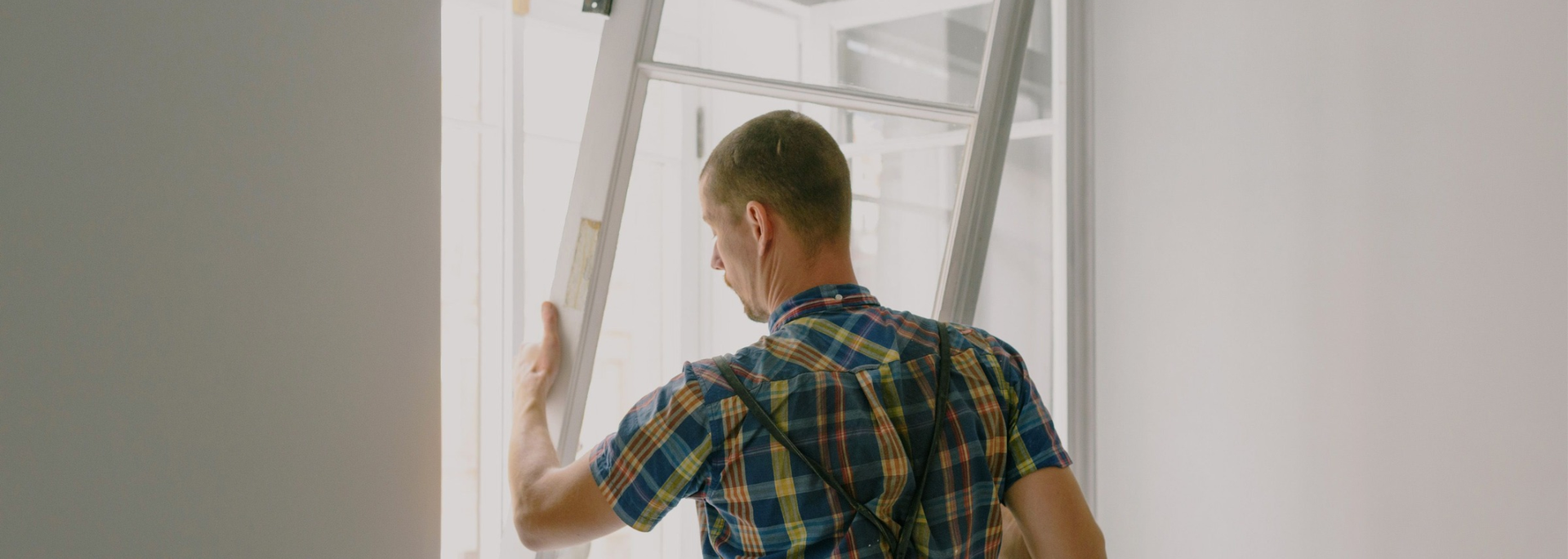
Glass usually needs replacing when damage compromises its strength, safety or ability to perform its intended function.
Cracks and extensive damage are common reasons for replacement. Cracks can spread because of temperature changes, vibration, building movement or further impacts.
Even a relatively small crack may cause problems if it's near an edge, particularly in glazing that experiences mechanical stress.
Toughened glass requires special consideration. Once toughened glass breaks, it typically shatters into numerous small fragments. It can't be repaired and must be replaced. Similarly, cracked toughened glass shouldn't be considered safe simply because it remains in place.
Laminated glass sometimes remains together after breaking because of its interlayer, but that doesn't necessarily mean it can continue being used. Damage that affects its structural performance, security or required safety characteristics may necessitate replacement.
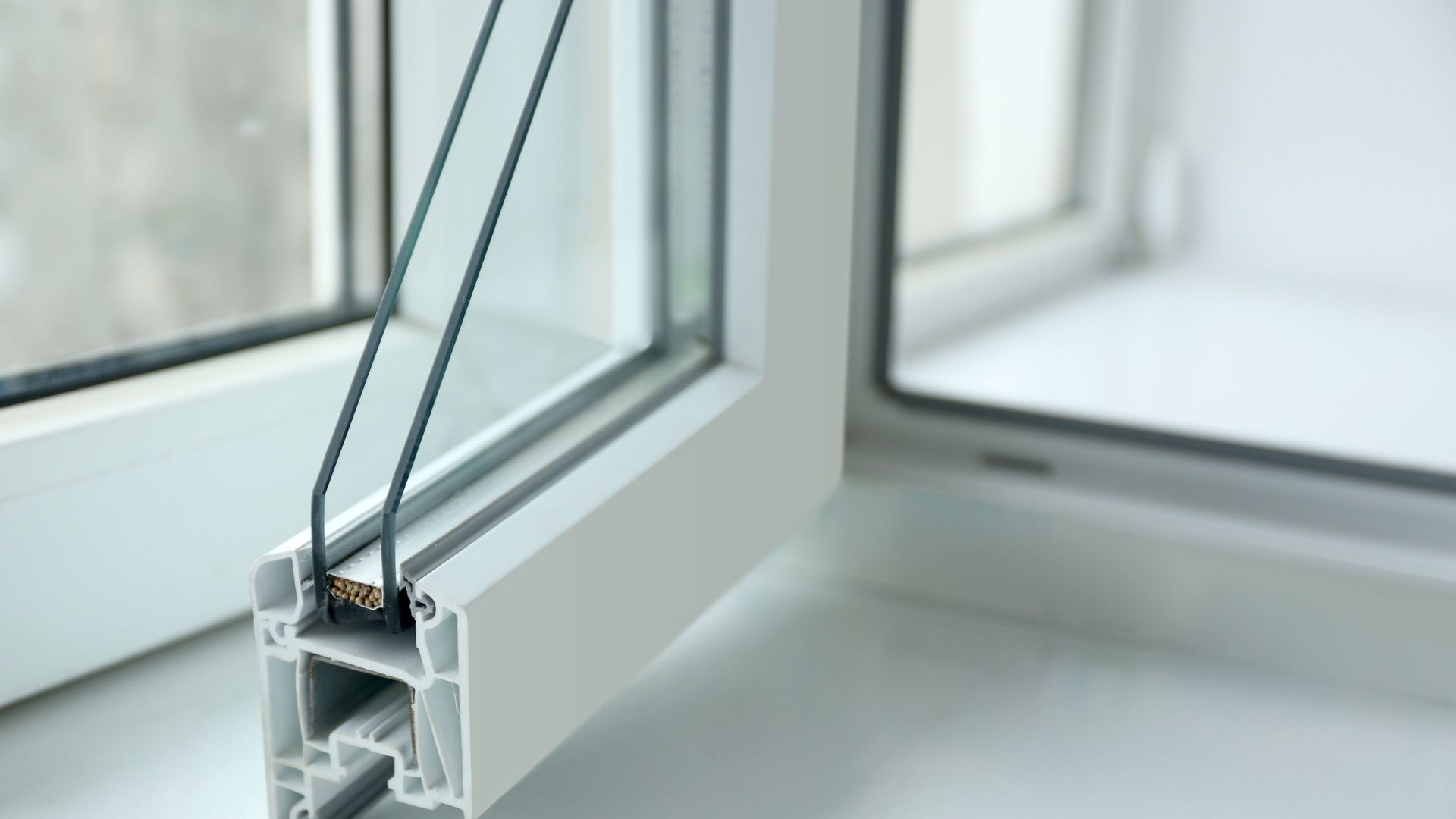
Failed double-glazed units are another common issue. If the seal around an insulating glass unit fails, moisture can enter the cavity and cause condensation or misting between the panes.
Cleaning the glass surfaces will not resolve this problem because the moisture is trapped inside the sealed unit. Replacing the affected unit is often the most practical solution, although the existing frame may be retained if it remains in good condition.
Replacement may also be necessary when glass no longer meets the requirements of its application. This can include safety glazing in doors, guarding or other areas where impact resistance is important.
What kinds of glass are difficult to repair?
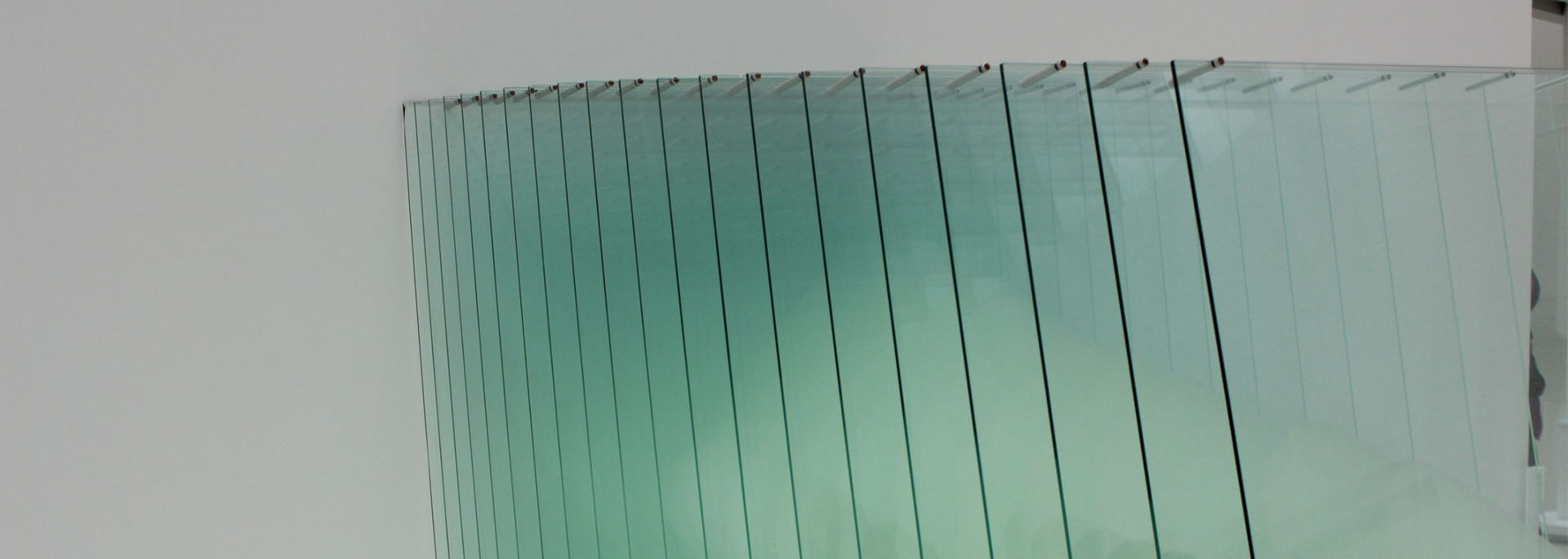
Some glass types are particularly challenging to repair because of their manufacturing processes, construction or intended function.
Toughened glass is heat-treated to increase strength and alter its breakage characteristics. Surface damage can compromise its integrity, and repairs cannot restore the original toughened properties.
With laminated glass, multiple layers of glass are bonded with interlayers. Although minor surface scratches may sometimes be treated, cracks, delamination or damage affecting the interlayer can require specialist assessment or replacement.
Double- and triple-glazed IGUs contain sealed cavities that help improve thermal and acoustic performance. Once the seal fails, the original insulating performance may be compromised, making replacement of the sealed unit the usual solution.
Low-emissivity (low-e), reflective, tinted and other types of coated glass can be difficult to repair without damaging their surface treatments or appearance.
Specialised fire-resistant glazing is designed to meet specific performance requirements. Damage can affect its ability to provide the intended protection, so replacement must preserve the required fire-resistance specification.
Because these products serve different purposes, any repair must be evaluated against the manufacturer's guidance and relevant safety requirements.
What to look for when buying replacement glass
Choosing replacement glass involves more than matching the original pane dimensions. The replacement must be suitable for the building, glazing system and intended application.
First, identify the correct glass type and thickness. Determine whether the existing unit is toughened, laminated, insulating or another specialist product. Where possible, check the original specifications or ask a glazing professional to identify the appropriate replacement.
Next, consider safety and regulatory requirements. Glass used in doors, low-level glazing, balustrades and other critical locations may need specific safety characteristics. Replacement products should meet the requirements applicable to their intended use and installation.
You should also consider thermal and acoustic performance. If replacing double glazing, check the unit's insulation performance, cavity configuration, coatings and gas filling where applicable.
Matching the original specification can help maintain energy efficiency and comfort.
Finally, assess the product's quality, the frame's condition, the manufacturer's warranty and the installer's experience. Accurate measurements and correct installation are essential to ensuring a secure fit and reliable long-term performance.
ToughGlaze is a UK-based glass processor specialising in toughened, laminated and decorative glass products. We cut, process and ship our glass from one state-of-the-art facility in Bedford, ensuring the glass you get is right on spec. For a quick quote or to discuss your requirements, don't hesitate to get in touch with our team.