The role of fritted glass in modern architecture
What is fritted glass, and how is it used in contemporary architecture? Find out in our industry guide.
Glass is a defining material of modern architecture. It lets designers create bright interiors, striking facades and buildings that connect occupants with the outside world.
However, extensive glazing can introduce challenges, including solar heat gain, glare, privacy and bird collisions. Fritted glass offers a versatile solution, combining visual appeal with practical performance.
By incorporating permanent ceramic patterns into glass, architects can control how a building looks and performs without sacrificing the benefits of contemporary glazing.
What is fritted glass?
Fritted glass is architectural glass printed with a ceramic-based ink or enamel. It's then heat-treated to fuse the pattern permanently to the surface.
The ceramic frit contains finely ground glass and inorganic pigments. These bond to the substrate during firing.
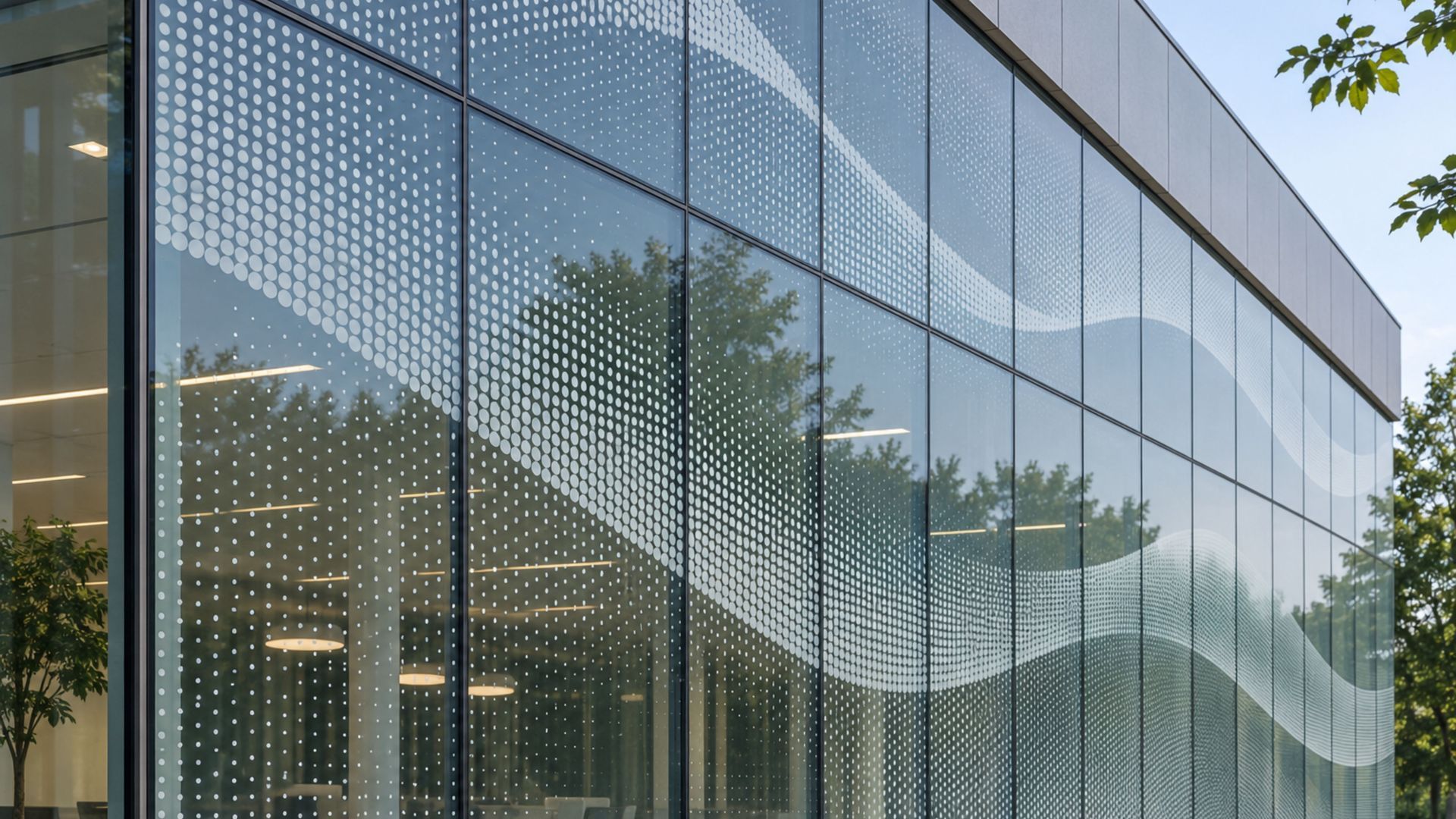
Patterns range from fine dots and parallel lines to intricate graphics, gradients and completely opaque areas. Glass screen printing is commonly used for repeatable designs, while digital ceramic printing allows for more detailed, bespoke imagery.
Unlike applied films or surface paints, properly manufactured ceramic frit becomes an integral, durable finish. It resists peeling and ordinary cleaning, making it suitable for long-term architectural use.
The amount of glass covered by the pattern affects its appearance and performance. Lightly printed designs preserve much of the view, whereas denser patterns offer greater screening and shading.
This flexibility makes fritted glass both a design feature and a functional component of the building envelope.
What types of glass can be fritted?
Frit can be applied to several architectural glass substrates, depending on the intended application and the manufacturer's processing capabilities.
Clear float glass is a popular choice for facades where designers want to retain natural daylight while introducing patterns, solar shading or visual interest.
The reduced green tint of low-iron glass provides a cleaner, more neutral background, helping printed colours appear more accurate.
Grey, bronze and other tinted glass substrates can complement a building's colour palette while working alongside the frit to manage light and solar gain.
Heat-strengthened and
toughened glass are commonly used because the frit is fired during heat treatment. The appropriate treatment depends on the panel's structural loads, thermal stresses and safety requirements.
Fritted plies can be incorporated into laminated constructions for applications requiring additional protection against falling fragments.
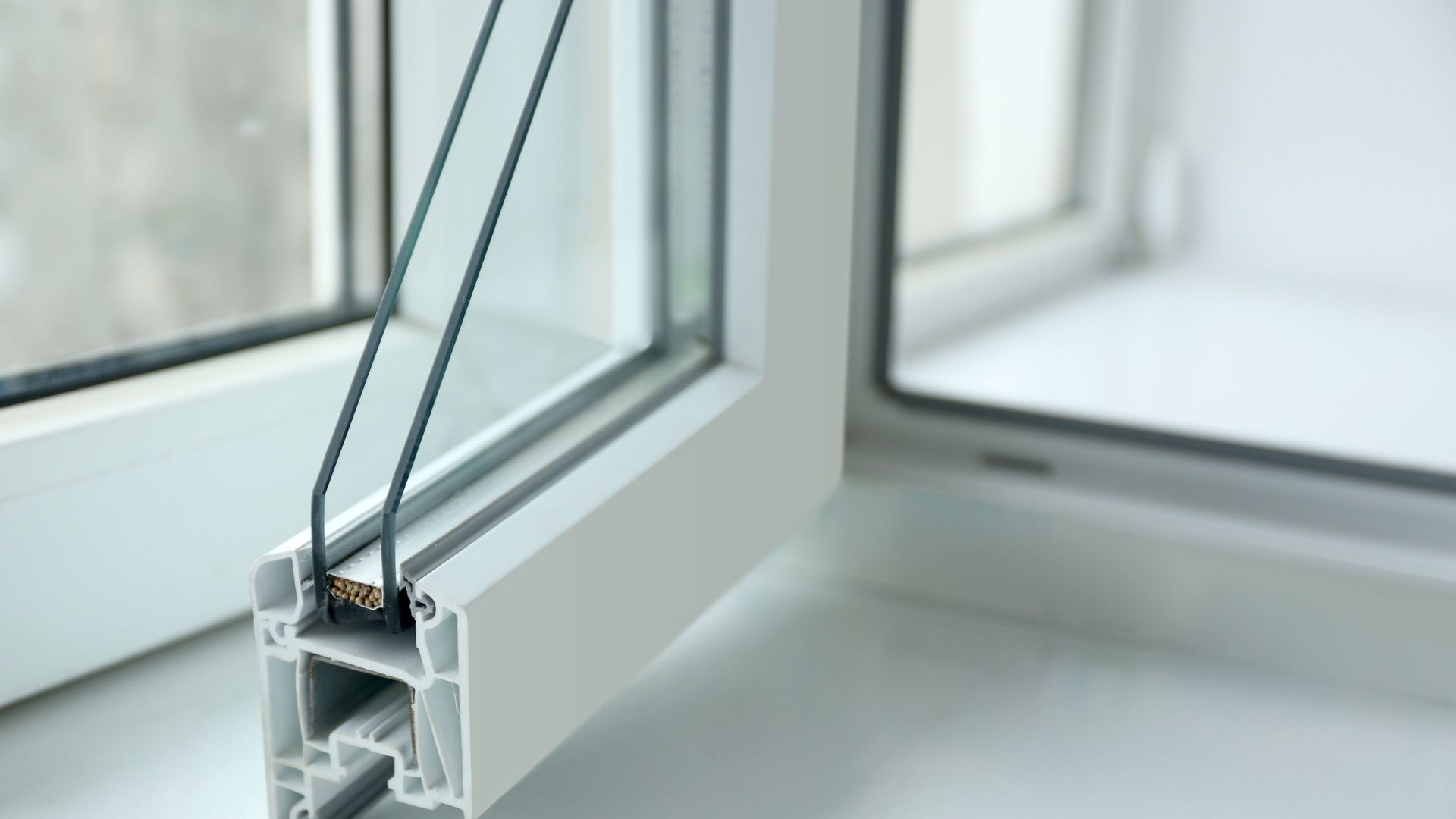
Finally, fritted panes can be combined with double or triple glazing, solar-control coatings and
low-emissivity glass to improve the overall performance of the building envelope.
How is fritted glass used in modern architecture?
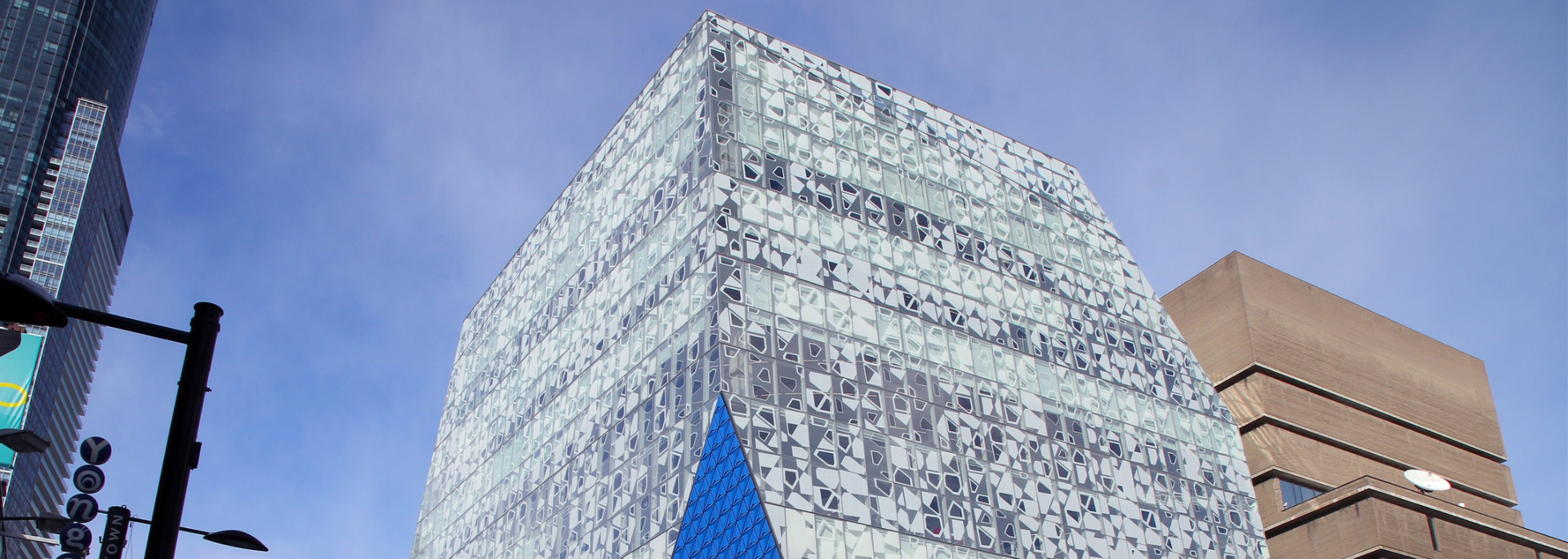
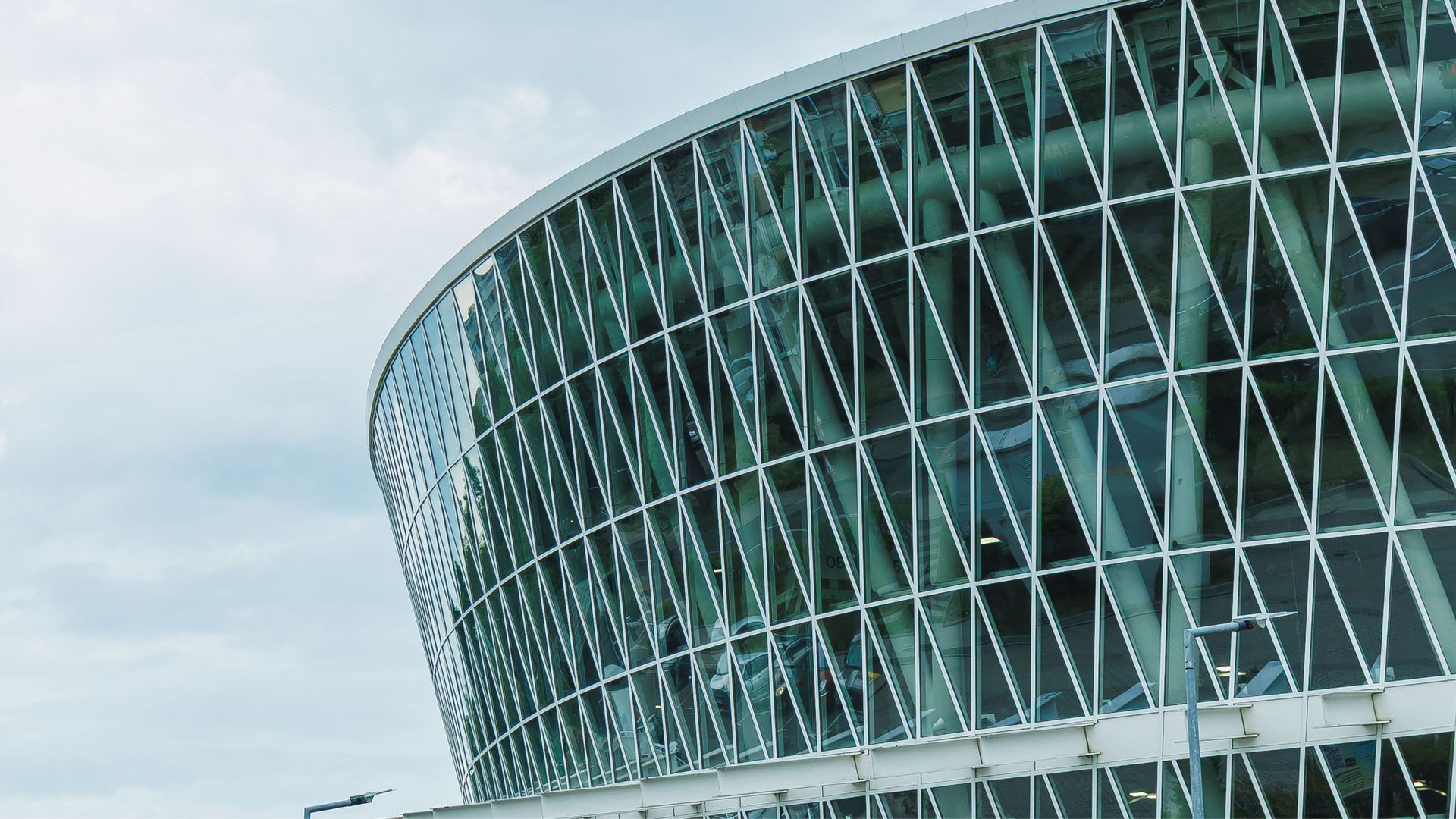
One of the most prominent applications of fritted glass is the glazed facade. It lets architects create distinctive patterns across large elevations, giving buildings depth, texture and identity while helping manage sunlight.
Solar shading is another important function. A carefully designed frit pattern reduces direct sunlight entering a building, helping control glare and potentially lowering cooling demand.
This can be particularly useful on highly glazed south- and west-facing elevations. However, the actual energy performance depends on frit coverage, glass specification, orientation and the wider building design.
You can also use fritted glass to create privacy without completely blocking daylight. Gradient patterns can screen lower floors or meeting rooms while retaining clearer views elsewhere.
On spandrel panels, opaque frit conceals floor slabs, insulation and building services behind the facade, creating a more consistent external appearance.
It can also contribute to bird-friendly design by making large glazed surfaces more visible, provided the pattern meets relevant bird-collision guidance.
Where else is fritted glass used?
Although building facades are a major application, fritted glass has many uses in both commercial and residential interiors.
In offices, it provides privacy for meeting rooms, glazed partitions and entrance areas while maintaining a sense of openness. In healthcare and educational buildings, patterned glazing can help create calmer, more private environments without relying entirely on blinds or opaque walls.
Retail spaces and hospitality venues use fritted glass for decorative screens, shopfronts, reception areas and branded installations. Bespoke patterns can reflect a company's brand identity or complement the interior design.
Other applications include glass balustrades, doors, canopies, rooflights, atriums and lift surrounds. In overhead glazing, the complete glass assembly must be designed to meet relevant structural and safety requirements.
Fritted glass can also help distinguish public areas within transport hubs, museums and cultural buildings, where durability and visual impact are equally important. Its versatility makes it suitable for projects ranging from subtle residential details to large-scale architectural statements.
What to look for when specifying fritted glass

Successful specification requires more than choosing a colour or pattern. Architects, facade consultants and contractors need to consider several factors before placing an order. These include:
- The design, dimensions, orientation and percentage of the surface covered.
These affect transparency, daylight, shading and the final appearance.
- Colour consistency.
It's worth requesting physical samples and, where appropriate, full-size mock-ups. Colours can appear different depending on the substrate, lighting conditions and viewing angle.
- Thermal and solar performance.
Visible light transmission, solar heat gain and glare should all be assessed in the context of the building's orientation and energy strategy. Frit should be evaluated as part of the complete glazing system.
- Which glass surface will carry the frit.
Positioning it within a sealed insulating unit can protect it from weathering and cleaning abrasion, subject to product compatibility.
- Manufacturing tolerances.
These include acceptable colour variation, pattern alignment, edge clearances and panel orientation. These details are especially important across large facades.
- Maintenance and cost:
in particular, access for cleaning, replacement requirements, production lead times and the printing expenses.
- Where bird safety, solar control or another measurable performance is a design objective, it's best to request appropriate test data rather than assuming that a particular pattern will automatically achieve the required result.
- You should also make sure to specify the
glass thickness, heat treatment, lamination and insulating glass configuration.
How ToughGlaze can help
Are you specifying fritted glass for a facade, partition, screen or other architectural application? ToughGlaze can help you turn the design into a workable glass specification.
We can advise on glass type, heat treatment, lamination and printing requirements, as well as the practical considerations that affect appearance and performance.
Get in touch with our team to discuss your fritted glass requirements or request a quick, competitive quote.