Glass in sports architecture: stadiums, arenas and training facilities
Glass is increasingly important in modern sports architecture. Learn typical use cases, appropriate glass products and considerations for specifiers.
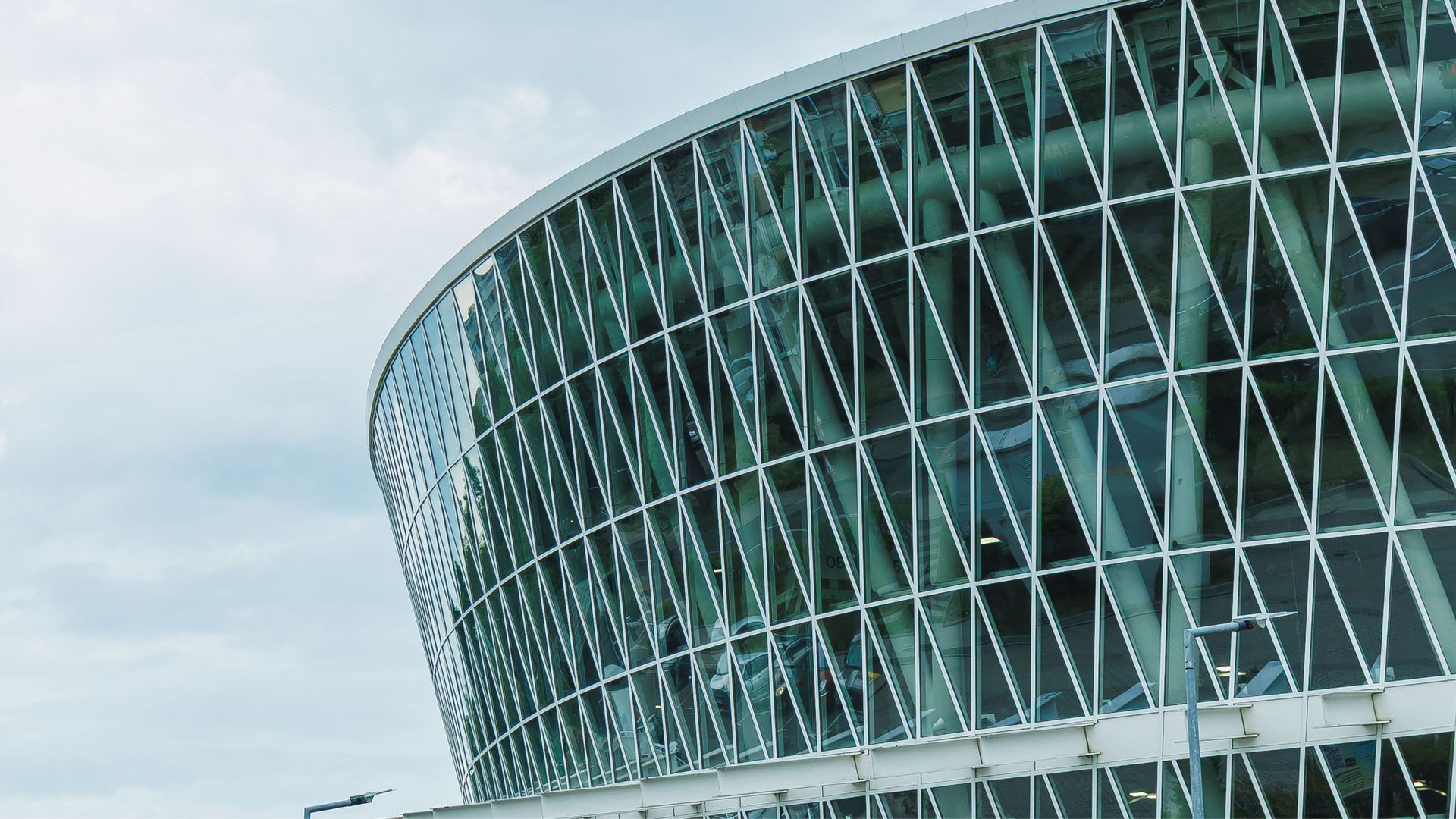
Glass plays an increasingly important role in contemporary sports architecture, combining visual appeal with functionality, energy efficiency and occupant comfort.
It's used everywhere from expansive stadium facades and arena entrances to internal partitions and training facility glazing. Wherever it's used, it helps create bright, welcoming and accessible environments for athletes, spectators and staff.
However, sports buildings present distinctive challenges for glass specification. Large spans, high footfall, ball impacts, demanding environmental conditions and strict safety requirements all influence the choice of glazing.
Selecting the right glass therefore requires a careful balance between architectural ambition, structural performance, safety and long-term operational efficiency.
Where is glass used in sports architecture?
Glass is used throughout sports facilities, from the external building envelope to internal spaces where visibility, daylight and durability are essential.
Stadiums and arenas
In stadiums and indoor arenas, glass is commonly incorporated into facades, entrance halls, reception areas, hospitality suites, executive boxes and restaurants.
Large glazed elevations can establish a strong architectural identity while providing views of the surrounding landscape or sporting activity.
Curtain walling and expansive windows also help bring natural light into concourses and circulation areas, creating a more open atmosphere for spectators.
In premium seating areas, high-performance glazing can provide uninterrupted views of the pitch or playing surface while helping maintain comfortable indoor temperatures.
Sports halls and leisure centres
Swimming pools, indoor courts, gyms and multi-purpose sports halls benefit from glazing that maximises daylight and creates visual connections between different areas.
Internal glazed partitions can separate reception spaces, fitness studios and circulation routes without making the building feel enclosed.
In swimming facilities, however, designers must account for persistent humidity, condensation and the potentially corrosive effects of a chlorinated atmosphere on certain glazing system components.
Training facilities and athlete accommodation
Training centres often use glass in gym facades, performance laboratories, physiotherapy suites, changing areas and administrative spaces.
Well-positioned glazing can improve access to daylight and provide views of outdoor training grounds, contributing to a more pleasant working and training environment.
Internal glazing can also support observation and supervision, allowing coaches and sports scientists to monitor activities while maintaining appropriate separation between spaces.
Rooflights and overhead glazing
Rooflights and glazed roof systems introduce daylight into large-span buildings where conventional windows may be insufficient.
They can reduce dependence on artificial lighting during daylight hours, although solar gain, glare, thermal performance and the consequences of overhead glass breakage must be carefully managed.
What kinds of glass are used in sports architecture?
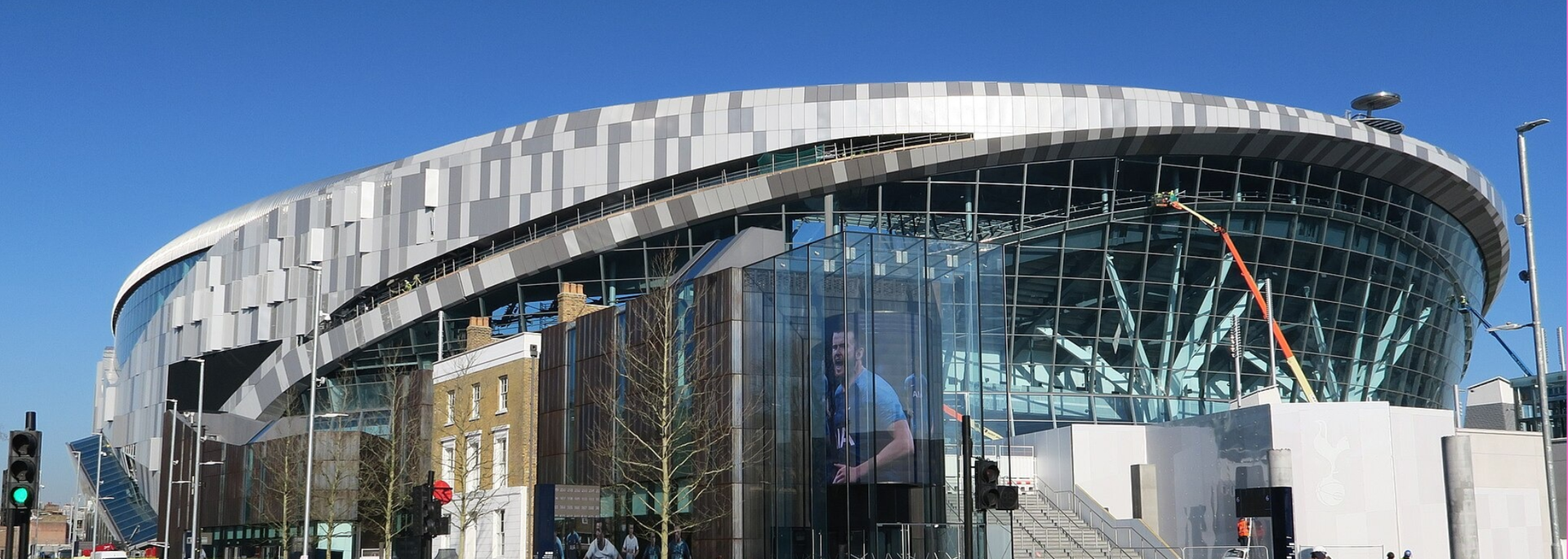
The appropriate glass type depends on the building's location, intended use, structural design and exposure to impact.
Toughened glass
Thermally toughened glass is widely used where increased mechanical strength and resistance to thermal stress are required.
It's suitable for many facade applications, glazed doors and certain internal partitions. When it breaks, it fragments into relatively small pieces, reducing the risk of severe cutting injuries compared with ordinary annealed glass.
However, toughened glass generally breaks into its constituent fragments rather than remaining in place. Where post-breakage retention is important, a laminated solution may be more appropriate.
Laminated glass
Laminated glass consists of two or more glass panes bonded by interlayers. If the glass breaks, the interlayer helps retain the fragments and may maintain a degree of barrier integrity, depending on the construction and damage sustained.
This makes laminated glazing particularly valuable for balustrades, overhead glazing, spectator barriers and locations where falling glass could endanger occupants. Combining laminated and heat-treated glass can provide additional strength and safety performance.
Insulated glass units
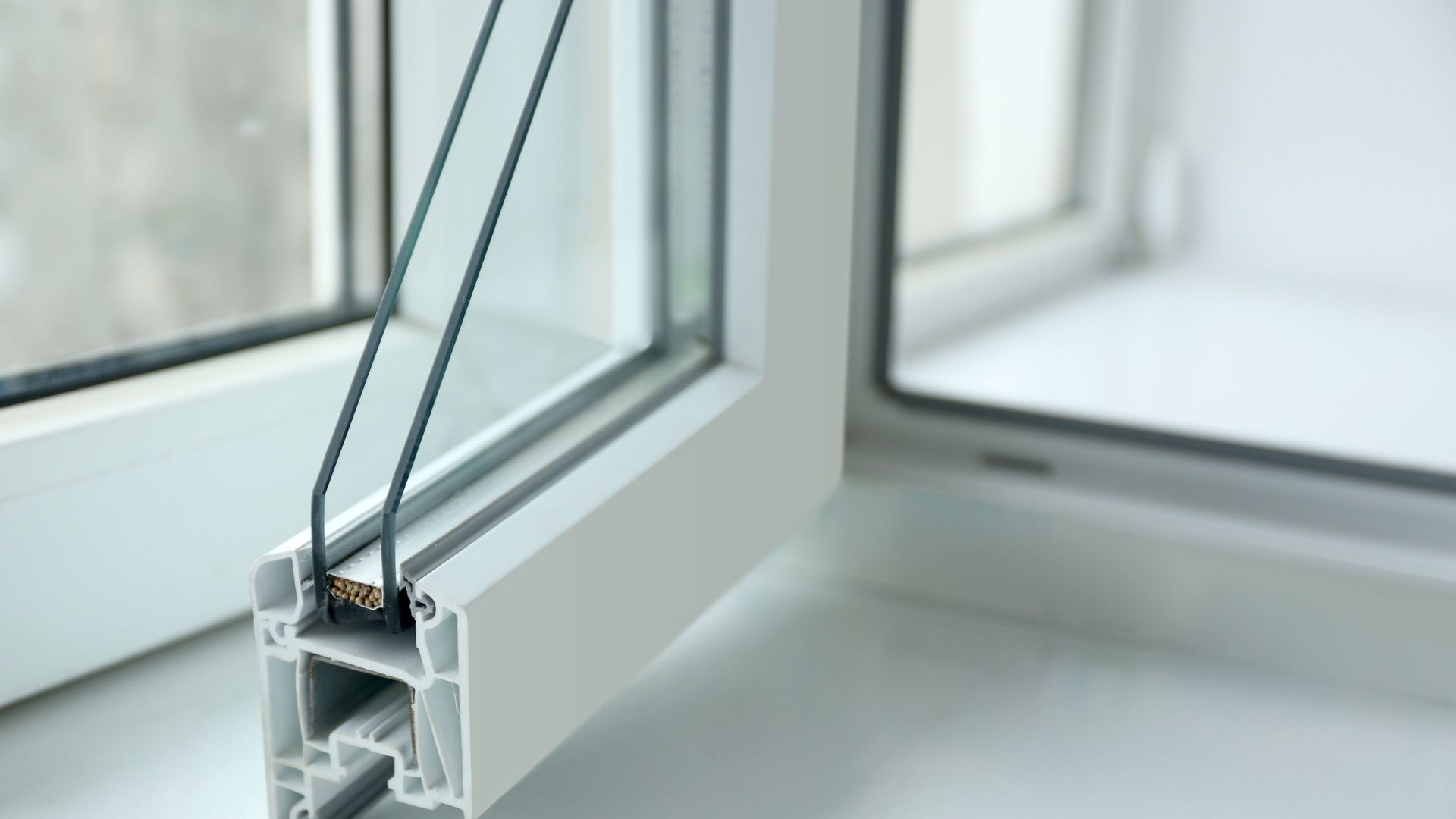
Double- and triple-glazed insulated glass units (IGUs) contain sealed cavities that improve thermal insulation. They're commonly used in stadium facades, hospitality areas, offices and training buildings where indoor comfort and energy efficiency are priorities.
Specialist and performance glass
Other options include:
- Solar-control glass to reduce unwanted heat gain
- Low-iron glass for improved transparency
- Ceramic-fritted or patterned glass for shading, privacy and visual design
- Acoustic laminated glazing
to help reduce noise transmission between busy concourses, external traffic and quieter internal spaces
Fire-resistant glazing may also be required where glass forms part of a fire-resisting compartment or protected escape route, subject to the relevant fire-performance classification.
Five considerations when specifying glass for sports architecture
1. Safety and impact resistance
Sports facilities experience high activity and, in some areas, potential impacts from balls, equipment or crowds. So, glazing near courts, pitches and circulation routes should be assessed for foreseeable impact risks.
Safety glazing must also be selected according to its location and the consequences of breakage. Balustrades, overhead glazing and barriers may require laminated constructions designed to provide the necessary post-breakage performance.
2. Structural performance and durability
Wind loads, building movement, deflection and the dimensions of individual glass panels influence the required thickness, composition and support system. Large facades and rooflights demand careful engineering, including consideration of fixing details, edge stresses and maintenance access.
Sports venues also need durable framing, seals and hardware that can withstand frequent use, cleaning and exposure to the elements.
3. Thermal performance, solar gain and glare
Extensive glazing can increase heating and cooling demands if it's poorly designed. Low-E coatings, solar-control glass, external shading and appropriately designed insulating units can help balance daylight with thermal comfort.
Glare is particularly important in sports environments, where reflections or bright sunlight may affect athletes, spectators, officials and broadcast cameras. Orientation, shading and glass selection should be considered together.
4. Acoustics, condensation and specialist environments
Large crowds generate significant noise, making acoustic performance an important consideration in certain spaces. Swimming pools and other humid environments require appropriate condensation control, moisture-resistant detailing and compatible materials.
5. Compliance, maintenance and sustainability
Finally, specifications must address applicable building regulations, fire safety, accessibility, relevant glazing standards and project-specific requirements.
Glass to meet complex sports specifications
Sports architecture rarely calls for one type of glass in isolation. A single project might need different solutions for facades, entrances, balustrades, rooflights, internal partitions and specialist areas – each with its own safety, thermal, acoustic or visual requirements.
ToughGlaze can process and supply glass to meet a wide range of architectural specifications, including toughened, laminated, coated, patterned and other specialist glass products. By working from the performance requirements of each application, we can help simplify procurement across projects that demand several different glazing solutions.
If you're sourcing glass for a stadium, arena, leisure centre or training facility, get in touch with ToughGlaze to discuss your specification and request a quote.