Glazing and SAP calculations: a guide for residential architects
Are you a residential architect? Explore key SAP considerations for glazing to keep your buildings compliant.
Over the last few decades, the construction industry has witnessed many changes. Even before digital transformation burst onto the scene, architects, specifiers and suppliers were dealing with changes that made their industry more regulated than ever.
These regulations are in place for two key reasons:
To ensure the safety of staff and building users
To encourage more sustainable and energy-efficient projects
A great example of this is the Standard Assessment Procedure, shortened to SAP. This is the UK government's method for assessing the energy performance of new dwellings and some dwelling conversions.
SAP overlaps with compliance. SAP calculations ensure new building projects are in line with Part L of the government's Building Regulations.
The good news is that residential architects don't need to become SAP assessors. They do, however, need to know enough about how glazing affects SAP calculations, Building Regulations compliance and whether a project will pass energy performance requirements.
What is a SAP calculation?
A SAP calculation assesses the overall energy performance of a building. It takes into account fabric performance, thermal bridging, air permeability, heating systems, ventilation systems, hot water systems, renewable technologies and solar gains from glazing.
The SAP assessor draws this information from architectural drawings and specifications. The calculation is, as you can see, a complex one – and it can't be made without taking glazing into consideration.
Why is glazing so important for SAP calculations?
Glazing is an essential consideration for SAP calculations because windows are often the weakest thermal element in the building envelope. They're weaker than roofs, walls, foundations, floors and doors. They are, however, capable of providing useful solar gains.
If glazing isn't considered right from the start of a building project, the design can present SAP compliance challenges. This can even be the case with designs that are otherwise architecturally sound.
For this reason, architects often find themselves caught in a delicate balancing act. They need to reduce heat loss, increase daylight and prevent overheating, all while meeting client expectations.
At the same time, they need to consider ways to lower their U-values, manage solar control and optimise specifications.
What glazing parameters do residential architects need to understand?

There are four main glazing parameters that residential architects need to understand in order to meet SAP compliance. These are:
- Window U-values
- G-values
- Frame factors
- Air leakage
Let's look at these parameters in turn.
Window U-values
Window U-values measure heat loss. They're quantified in W/m²K (watts-per-metre-square-kelvin). The lower the U-value, the more energy efficient the window and the better the SAP calculation.
G-values
In contrast to U-values, G-values tell us how much solar energy passes through the glazing. The typical range used is 0.30-0.70.
Higher G-values increase solar gains in winter and can improve SAP scores. On the other hand, they can increase the risk of overheating.
Lower G-values, on the other hand, reduce the risk of overheating but can limit solar gains. The choice a residential architect makes will depend on the orientation of the building.
Frame factors
SAP assessors look at frames as well as the glass within them – in particular, the proportions of frame versus glass. This affects the performance because frames generally insulate less effectively than glazed units.
Air leakage
Finally, SAP assessors look at any air leakage issues. The quality of window installation can affect air permeability and heat loss, both of which affect SAP results.
Glazing area limits and SAP
Modern compliance is mostly based on performance rather than size. This means there aren't strict area limits as such – at least not compared to the old days.
That said, excessive glazing can make SAP compliance difficult. Large north-facing glazing can trigger overheating assessments, while large south-facing glazing can worsen performance.
There aren't pass or fail thresholds for glazing size. However, many assessors will raise their eyebrows if glazing takes up more than 25% to 35% of the floor area.
The main consideration for architects is to think about orientation before specifying any increases to the overall glazing area.
Overheating
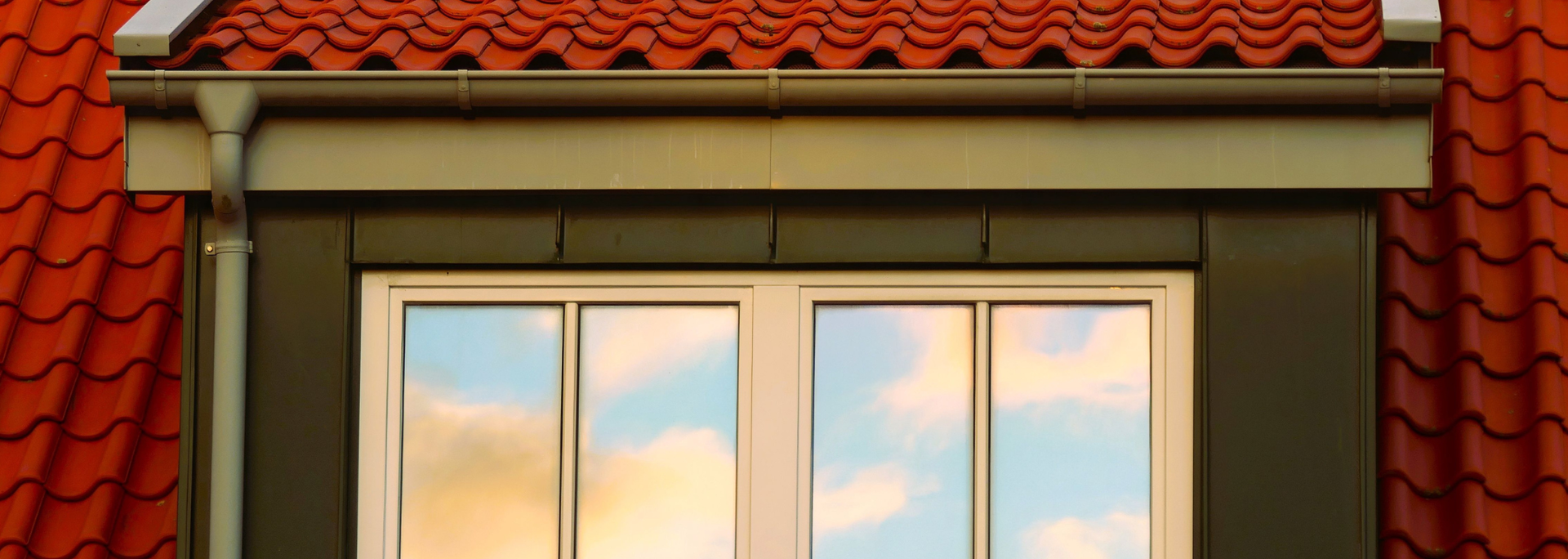
Under Part L and Part O of the Building Regulations, overheating is often as critical as energy efficiency. In fact, a design that passes SAP may still struggle with overheating compliance.
In practice, this means large areas of glazing may need external shading, a brise-soleil, solar-control glass, smaller glazing areas or better ventilation.
What information do SAP assessors need from residential architects?
Without the right information, assessors may default to estimates that can negatively impact compliance results.
To avoid this, residential architects should supply SAP assessors with information about:
- Windows
- Doors
- U-values
- G-values
- Frame specifications
- Orientation
- Dimensions
- Rooflight specifications
- Shading features
- Any overhangs
Five common mistakes that residential architects make
Often, issues with SAP compliance are down to the same handful of mistakes. Here are five things to keep in mind when designing a building:
- Check SAP early on in the process
- Don't include too much north-facing glazing
- Don't think triple glazing will solve all your performance problems
- Make sure to consider rooflights (they often perform worse than vertical windows and can affect calculations)
- Don't leave glazing specifications until the tender stage
What do residential architects need to do?
It's often the case that projects fare best when the SAP assessor is involved during the concept design stage rather than after planning.
For this reason, it's best to pay close attention to glazing during the concept design stage and to ask for preliminary SAP feedback. The glazing areas and orientations can then be refined and finalised. This nips any compliance issues in the bud.
Above all, residential architects need to understand U-values, G-values, orientations, glazing ratios and overheating risks. With these considerations in mind, they boost their chances of getting a good SAP calculation.
As a trusted UK glass processor, ToughGlaze has supplied leading architects and construction firms for more than 30 years. Discover our glass processing services or explore our free resources for more industry guides.