Fire-rated glass myths architects still believe
What do you know about fire-rated glass? Separate the facts from the fiction in our industry guide.
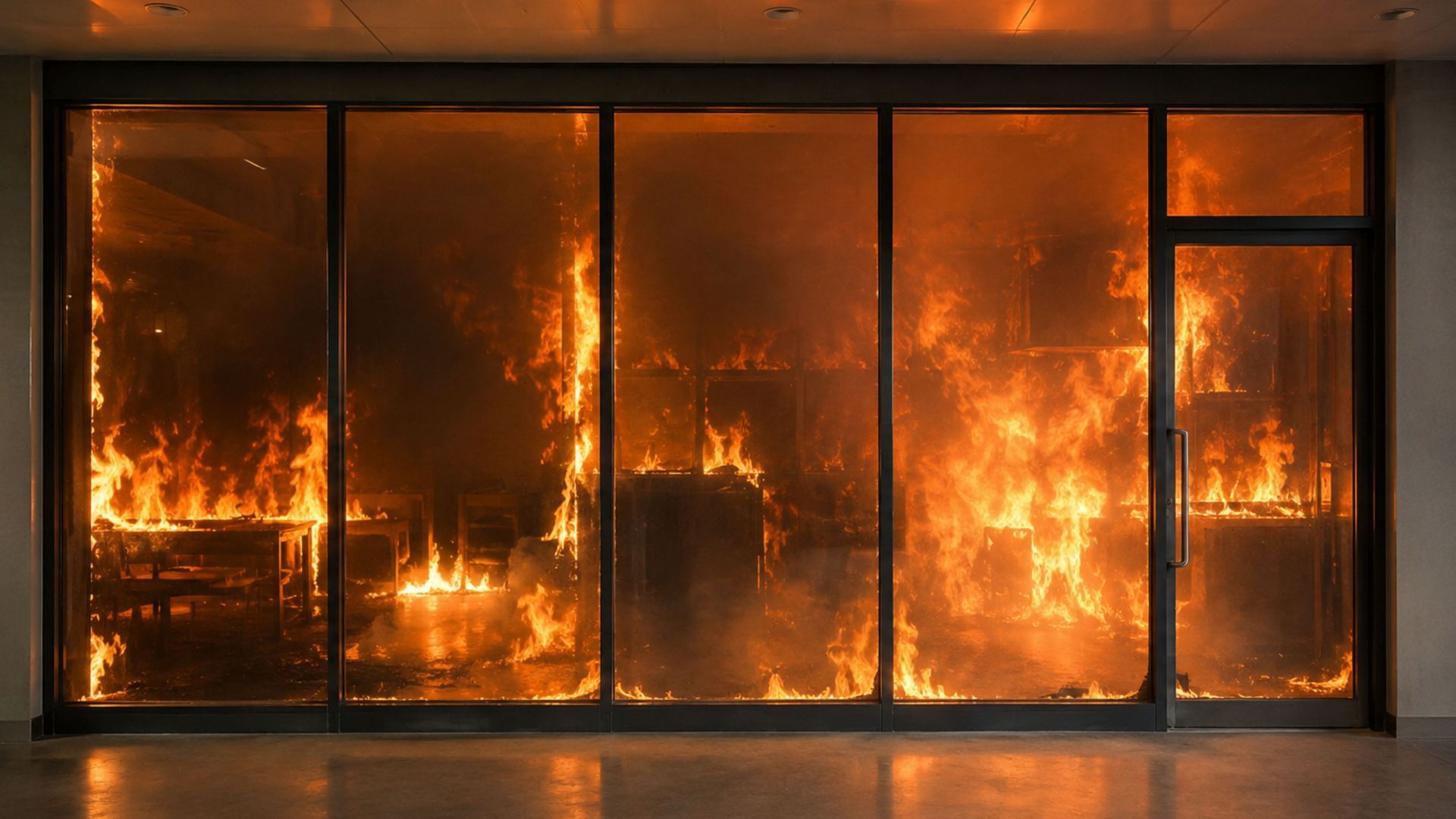
The first fire-resistant glass was patented in 1892. So-called "wire glass", invented by Frank Shuman, consisted of a wire mesh that held the glass in place when a fire broke out.
Shuman's wire glass was the go-to fire-resistant glass solution for nearly a century. Its poor impact resistance, however, meant it was replaced at the earliest opportunity by modern-day fire-rated glass.
For a long time, wire glass was ubiquitous – and it's perhaps this ubiquity that has meant many architects still harbour misconceptions about fire-rated glass.
In this article, we bust six myths about fire-rated glass. We're not doing this for the sake of it or as an exercise in pedantry. Instead, we're doing it to spare you the compliance and design errors that dog so many project managers – and cost them money.
Myth 1: all fire-rated glass is the same
The aim of fire-rated glass is to stop the spread of fire. So, surely one sheet of fire-rated glass is much like the other?
Wrong.
In fact, different kinds of fire-rated glass handle fire in different ways. In particular, some kinds of fire-rated glass block flame and smoke while others block flame, smoke and radiant heat.
The first category of fire-rated glass is fire-protective or "E-rated". The second is fire-resistive or "EI-rated".
What's more, each fire-rated glass product is protective or resistive for a set amount of time. An E30 sheet of glass protects against fire and smoke for 30 minutes. An EI120 sheet of glass protects against fire, smoke and radiant heat for 120 minutes, and so on.
This is a crucial consideration when specifying fire-rated glass, not least because Building Regulations mandate different ratings for different contexts.
Myth 2: fire-rated glass always contains wire mesh
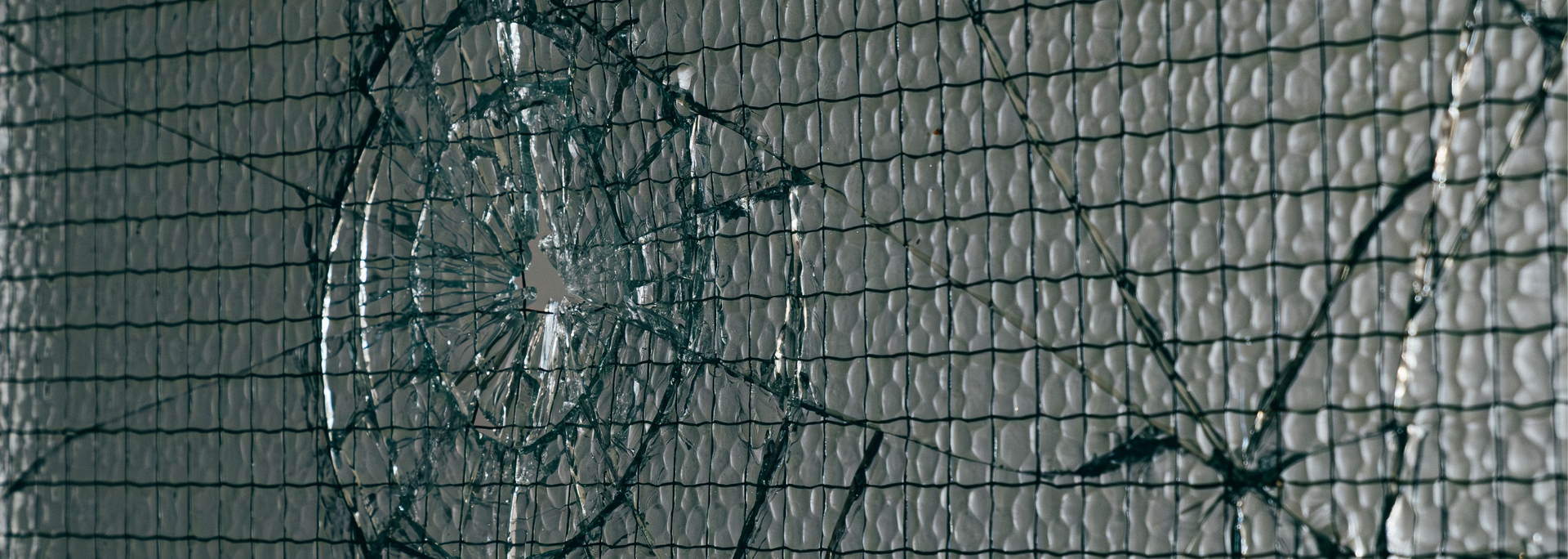
This is the most outdated myth of all, yet one that still crops up regularly.
For a long time, wire glass was the norm for fire protection. But it had an Achilles heel: its lack of adequate impact resistance.
The embedded wire mesh would weaken the glass, making it around half as strong as a standard pane of annealed glass.
And on impact, the glass in a wire glass unit would shatter into razor-sharp shards that could cause nasty lacerations.
Today's fire-rated glass is much safer and more impact-resistant. Glass ceramics and intumescent laminates provide clear views plus high levels of fire protection and resistance.
Myth 3: toughened and laminated glass are fire-resistant
Toughened glass (AKA "tempered glass") and laminated glass are famous for their versatility. It's perhaps this reputation that leads some architects to believe that a standard sheet of either can serve as fire-rated glass.
In fact, toughened and laminated glass will crack and fail when exposed to fire for long enough. That's why you should always specify fire-rated toughened or laminated glass when fire-rated glass is required. The alternative is to put building users at risk, not to mention your reputation.
Myth 4: fire-rated glass is always thicker than regular glass
Glass thickness is a hot topic in the world of architectural glazing. Often, architects want to strike a balance between slim glass and safety requirements. This sometimes leads them to worry that fire-rated glass will be thicker than an equivalent pane of regular glass.
On the contrary, modern fire-rated panels can be surprisingly thin – sometimes as thin as 5 mm – without compromising their fire safety.
The thickness depends on two things: the assembly in question and the required fire-resistance rating.
If in doubt, your best bet is to speak to your glass processor about your thickness requirements. They should be able to help you get the fire rating and the thickness you require.
Myth 5: the glass is the only thing that matters

When it comes to glass, the myth goes, fire safety is all about one thing: the glass itself. Install fire-rated glass, and you're compliant. Right?
In fact, this couldn't be further from the truth.
Fire-rated glass is all but useless without a fire-rated framing system. The whole installation must be a tested assembly. That means fire-rated gaskets, seals and frames.
If you get fire-rated glass but not an equivalent and compatible fire-rated system, you invalidate the fire rating. This can have dangerous – and costly – ramifications for your project.
Myth 6: fire-rated glass can't be used for floors
It's not just windows and doors that can be fire-rated: floors can, too.
As with all fire-rated glass, the system as a whole has to be fire-rated. With floors, specialised multi-layered units are built to meet live load requirements and fire resistance ratings.
So, if your project involves a walk-on glass floor, you don't have to compromise on fire safety. And if the floor is a boundary with a fire compartment or a primary escape route, you can meet compliance.
How we can help
At ToughGlaze, we supply TG FR. This highly versatile fire-rated glass product boasts high levels of structural integrity and insulation.
In practice, this means our customers can count on us for safety and fire protection – all at a reasonable price point.
Our entry-level TG FR is E30 and Ew15-rated, tested to BS EN 1364-1:2015 and Kitemark-certified. Higher EI-rated configurations use a proprietary gel interlayer that swells when exposed to fire.
Like all our products, it combines safety, durability and optical clarity. We can also accommodate load-bearing applications such as glass floors.
So if you're looking for high-quality fire-rated laminated glass, don't hesitate to get in touch with ToughGlaze for a quick, competitive quote. We'll be more than happy to fix you up with the right materials for the job.