How glazing fails on site: common installation mistakes
Explore the most common reasons for glazing failures on construction sites – and how to avoid them.

The success or failure of a building project depends on many things – from the materials specified to compliance, from energy efficiency to project management.
On-site installation is one area where projects can suffer setbacks. This is often because of installation mistakes – and usually, it's the same kinds of mistakes made again and again and again.
The main reasons for glazing failures on construction sites are common to all glass in all contexts. These include physical damage during handling, inaccurate tolerance measurements and thermal stress.
But there are also reasons for glazing failure that are specific to construction sites. These include site conditions, so-called "silent errors" and the use of outdated or inadequate drawings.
Today's glass is stronger than ever. Nevertheless, correct installation is essential to avoid fractures or seal failures.
In this article, we take a look at eight of the most common installation mistakes that lead glazing to fail on-site. We hope it helps you make your next installation project as smooth as possible.
Common glazing installation mistakes
1. Poor handling
Glass breaks. This means it must be handled and stored properly to avoid unnecessary – and expensive – damage.
If glass is knocked against scaffolding or masonry, it can become chipped and fractured. These fractures don't have to be big or even noticeable to be a problem. Even micro-fractures can make a sheet of glass susceptible to breaking under wind or thermal loads.
The same goes for stacking sheets of glass. If you stack them on hard surfaces or lean them clumsily, the glass can become warped, stressed or cracked.
That's why it's so important to ensure proper training for handling glass. The alternative is replacing materials mid-installation – something that costs time and money and causes delays.
2. Previous work on-site

Glass can become damaged on-site because of the presence or after-effects of previous work in the same location.
Alkaline run-off from wet cement, fresh concrete or brickwork, for instance, can chemically damage and permanently etch the glass.
Meanwhile, sparks or hot metal particles from cutting, welding or grinding can pit the surface. These sparks, now fused into the glass, can corrode, expand and eventually shatter the pane.
You can't control the activities of previous site users. However, you can monitor and mitigate any after-effects that could cause glazing to fail.
3. Assembly mistakes
Some assembly mistakes are surprisingly common. If the glass is too close to the frame's metal rebate, for instance, the glass can crack under thermal stress.
Sometimes, this problem is caused by inaccurate tolerance measurements at the specifying stage. At other times, however, it's down to improper installation techniques, which can be remedied through training or additional supervision.
Another common mistake is the improper application of sealant. This can lead to seal failures, air leakage, gas loss and moisture ingress.
4. Not accounting for structural movement
It's not obvious to the untrained eye, but buildings move vertically and laterally. Glazing systems must be designed to accommodate these movements.
Without these design adaptations, the building's frame can deflect under concrete or wind loads, and the glazing gaskets and anchors can be too rigid. Both of these situations can lead to glazing fractures.
5. Inadequate protection
If a window opening on a busy site is unprotected, it can become damaged. This could be the result of dropped tools, heavy machinery vibrations, site debris or even vandalism.
All this points to the importance of properly protecting those window openings.
There are a few ways you can do this, and your site team may already have procedures in place.
Common methods include low-track self-adhesive films, rigid corrugated plastic sheets and protection tape.
6. Old drawings
All too often, site teams work from outdated plans. This can cause all sorts of headaches, from misaligned gridlines to incorrect floor heights.
The main way around this problem is to implement and follow a strict drawing review process. Any updates from architects and engineers should be immediately passed on to the site team.
7. Ignoring site conditions
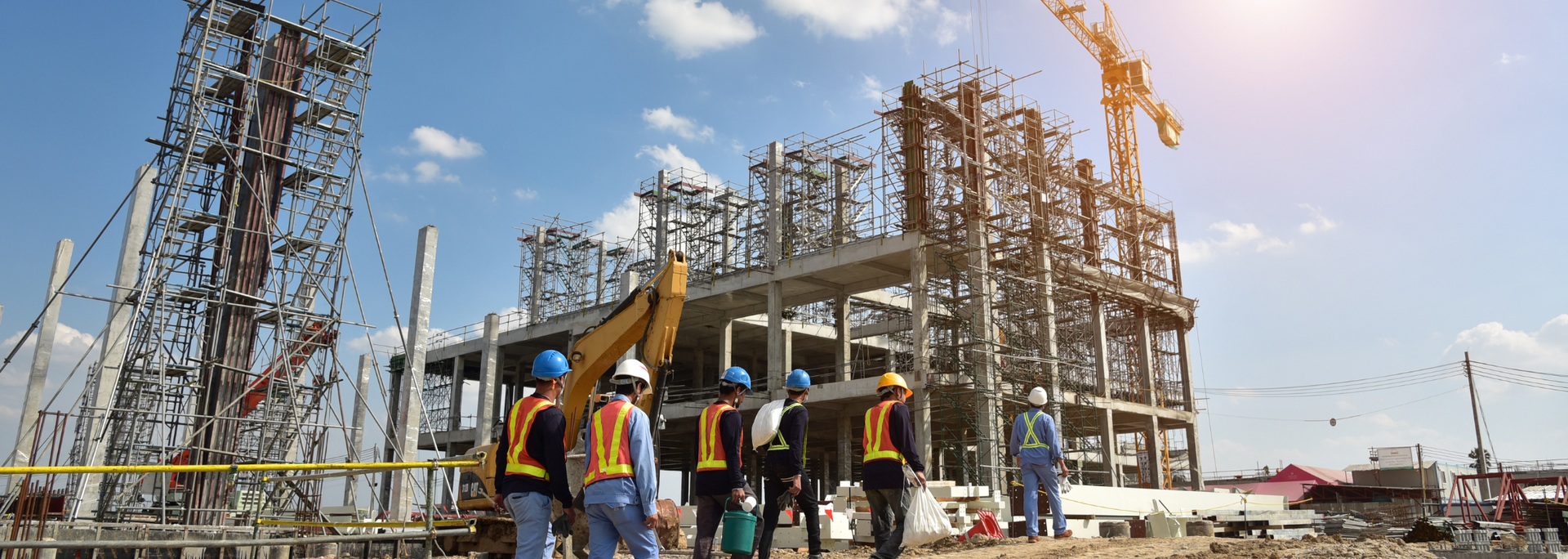
You need to know the ground you're building on. This means soil testing and other preliminary scans shouldn't be avoided. The alternative is to create problems with shifting foundations, concrete settlement or exposed pipes.
The solution is obvious but not straightforward. Make sure to survey the site before work begins and work in line with environmental guidelines.
8. Silent errors
Some mistakes are obvious and can be immediately rectified or mitigated. Others, however, go unnoticed. These are the kinds of mistakes known as "silent errors".
Common on-site silent errors include incorrect slopes on pipes, misaligned brickwork and unsealed penetrations. They often get covered up with plaster, concrete or another building layer and cause problems such as rot and mould years later.
Silent errors can be avoided by implementing regular and rigorous quality verifications before surfaces are sealed. Error detection can also be improved by reducing the size of work batches and encouraging site staff to report errors without assigning blame.
What are the main causes of seal failure?
The main causes of seal failure in glazing systems are:
- Natural ageing
- Changes in temperature and weather
- Improper installation
- Manufacturing defects
- Moisture buildup
All these can be mitigated at both the installation and maintenance stages.
What are the main causes of glass breakage?
There are two main causes of glass breakage. The first is thermal stress, caused by uneven heating and cooling across glass panes.
The second is damage caused by impact, whether from knocks, vibrations from heavy machinery or even high-pressure jet washing.
A less common cause is the inclusion of nickel sulfide in the glass. This can cause the glass to spontaneously shatter. The main way to avoid this is to ask your glass processor to carry out heat soak testing.
Founded in 1993, ToughGlaze is a UK-based glass processor. Are you looking for high-quality, compliant glass for construction? We're ready to help. Get in touch today to discuss your project with our experts.