How suction lifters and glazing robots are changing installation
Glazing technology is coming along in leaps and bounds. Find out how suction lifters and glazing robots are making a difference.
In the glazing sector, technology changes all the time. At the product level, this has meant innovations like smart glass and self-cleaning glass.
And at the installation level, it's increasingly meant the use of suction lifters and glazing robots to handle large panes of glass.
These are now common on construction sites worldwide. So, what do they do, and how are they changing the way installation teams work?
What are suction lifters?
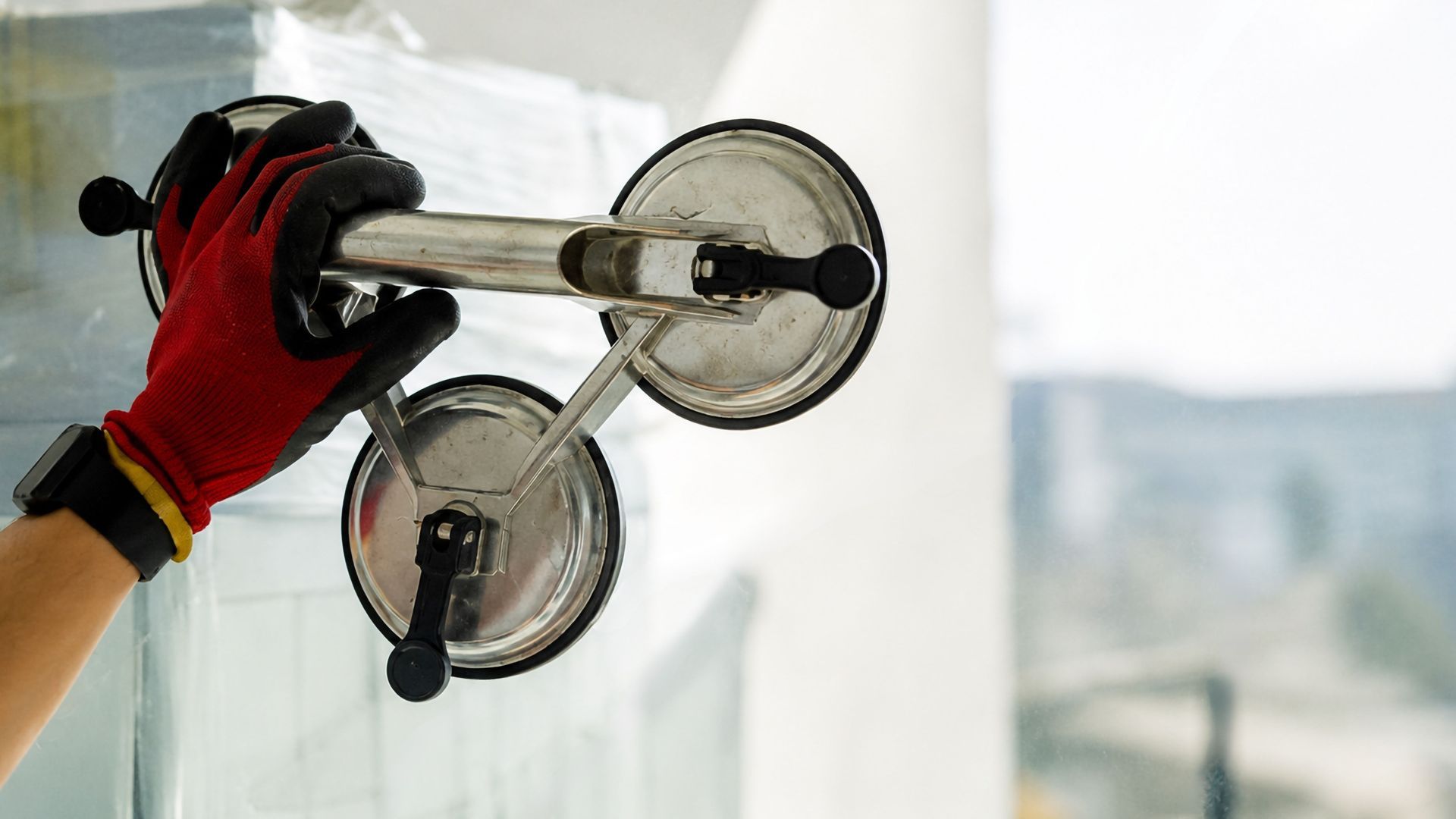
A suction lifter is a mechanical device that uses vacuum suction cups to hold glass. Installers can then lift, carry, move, rotate and place the glass without having to hold it directly.
Typically, a lifter has:
- Vacuum pads and cups that attach to the glass
- A frame or handle for handling the pane
- A vacuum pump – sometimes hand-operated – that creates suction
On many models, there's a vacuum indicator. This shows the installation team whether the machine has achieved the right grip to safely handle the glass.
Common types of suction lifters include manual suction lifters, multi-cup vacuum lifters and battery-powered vacuum lifters.
Manual suction lifters handle smaller panes, windows, mirrors and glass that only needs to be carried a short distance.
Multi-cup vacuum lifters are for larger and heavier glazing. Purely battery-powered vacuum lifters, meanwhile, tend to be used in applications where many heavy glass panels need to be handled.
Glaziers use suction lifters for a few reasons. The first is that suction lifters make it easier to control heavy or awkward panes of glass.
On top of this, suction lifters mean less manual lifting by the installation team. They can also help workers position the glass more accurately.
Like all new technologies, suction lifters must be used correctly to have a positive effect. This involves keeping an eye on lift capacity, the condition of the suction pads, the cleanliness of the surface and the vacuum level.
What are glazing robots?
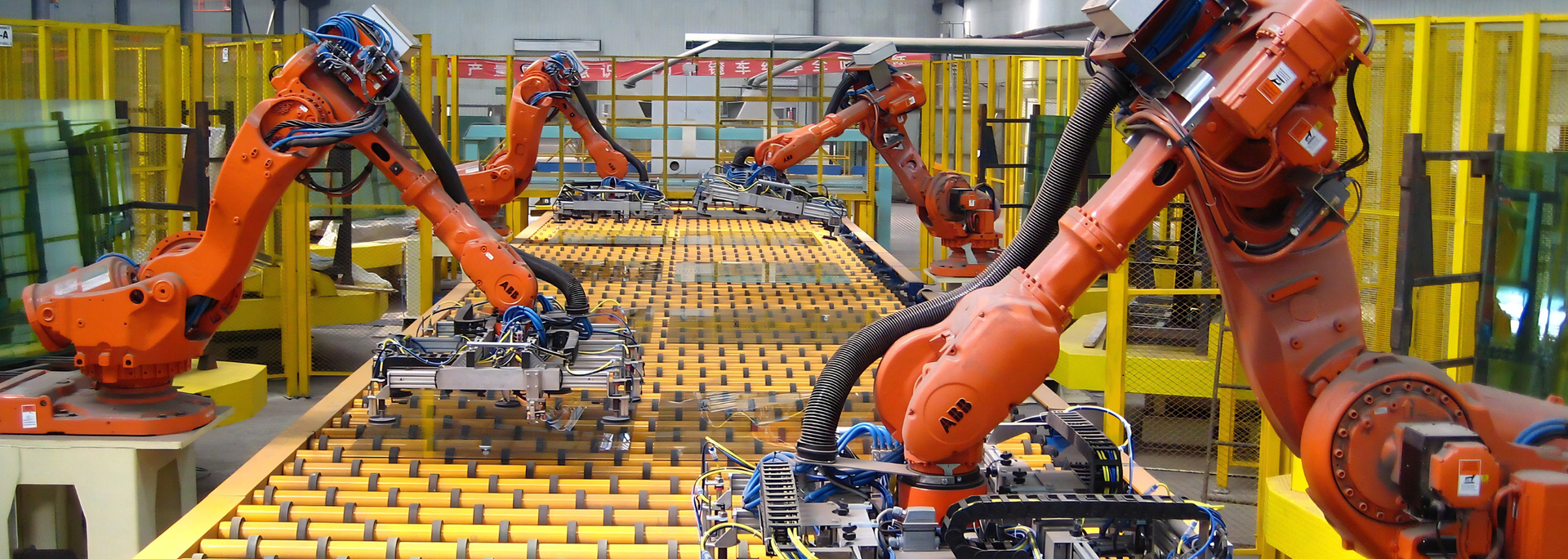
Glazing robots are powered machines designed to lift, move, place and install large or heavy sheets of glass. They're fitted with vacuum suction pads.
You'd be forgiven for thinking that description also applies to suction lifters. However, there's a key distinction: a suction lifter is a tool whereas a glazing robot is a self-propelling machine.
A typical glazing robot has vacuum suction pads to grip the glass and a powered lifting mechanism to lift or lower the glass.
It runs either on wheels or tracks and, in some cases, has articulated arms that can tilt and rotate the glass.
And like a suction lifter, glazing robots are fitted with vacuum monitoring to ensure the right level of grip.
Glazing robots are self-propelled but must be guided by an operator.
The robot does most of the lifting and positioning, reducing the number of workers needed for the installation process. As with suction lifters, glazing robots can also make large panes easier to manoeuvre and position accurately.
Where are glazing robots used?
Glazing robots are used in a wide range of applications. These include:
- Projects involving large windows and doors
- Curtain walls
- Shopfronts
- Facades
- Conservatories, skylights and partitions.
They can handle most kinds of glass so long as it has a smooth, grippable surface.
How are glazing robots and suction lifters changing installation?
Both suction lifters and glazing robots are changing how glass is installed. Suction lifters are now all but ubiquitous on commercial construction sites, while glazing robots are increasingly common on projects where cranes can't fit.
The trend is clear: a shift from manual handling to controlled mechanical handling.
This directly impacts construction teams. Fewer people are needed per panel, and their role involves less manual handling. In the case of a suction lifter, for instance, one operator might manoeuvre a panel while another checks for alignment issues.
It also impacts the projects themselves. By harnessing vacuum pads and hydraulic movement, glazing robots make it increasingly practical to use larger and heavier glass panes. The Winlet 600 glazing robot, for instance, can lift up to 600 kg.
These new technologies can also improve the precision of curtain wall and facade installations. The machine ensures more controlled movement and fine positioning than most teams of humans can manage.
They can also help keep workers safe. Glazing robots do the heavy lifting, relieving construction workers from having to move awkwardly and risk injury.
In some contexts, glass must be fitted in places cranes can't reach. Mobile glazing robots can move glass in these tight spots. That's especially useful for interiors, fit-outs and low-rise projects.
Overall, suction lifters and glazing robots can increase productivity. Heavy panels can be more quickly positioned and installed, reducing the amount of time the team must spend handling the glass.
How is this changing how installation teams work?
Traditional glazing installation involves several glaziers handling panes of glass – some heavy and awkward. With suction lifters and glazing robots, machines carry out this task under human supervision.
This reduces the size of the team and shifts its role from manual handling to supervision. It's not so different from a supermarket worker monitoring self-service checkouts. In the case of the glazing team, the focus is on alignment, fixing and quality control rather than lifting and carrying.
The future of glazing robots
Glazing robots are already common on construction sites, and the technology is likely to become more sophisticated still.
Future models may incorporate more advanced sensors, load monitoring and positioning systems. That would help operators place large glass panels with even greater precision and make adjustments more easily on site.
There's also potential for greater automation, with programmable movements and intelligent control systems taking some of the work out of repetitive positioning tasks.
Battery-powered glazing robots are already widely available, helping reduce noise and eliminate exhaust emissions at the point of use. As battery and control technology continue to improve, these machines are likely to become even more capable and efficient.
ToughGlaze is a trusted UK supplier of glass for construction, including toughened glass, laminated glass and a wide range of decorative glass products. For more industry news and commentary, follow our blog.