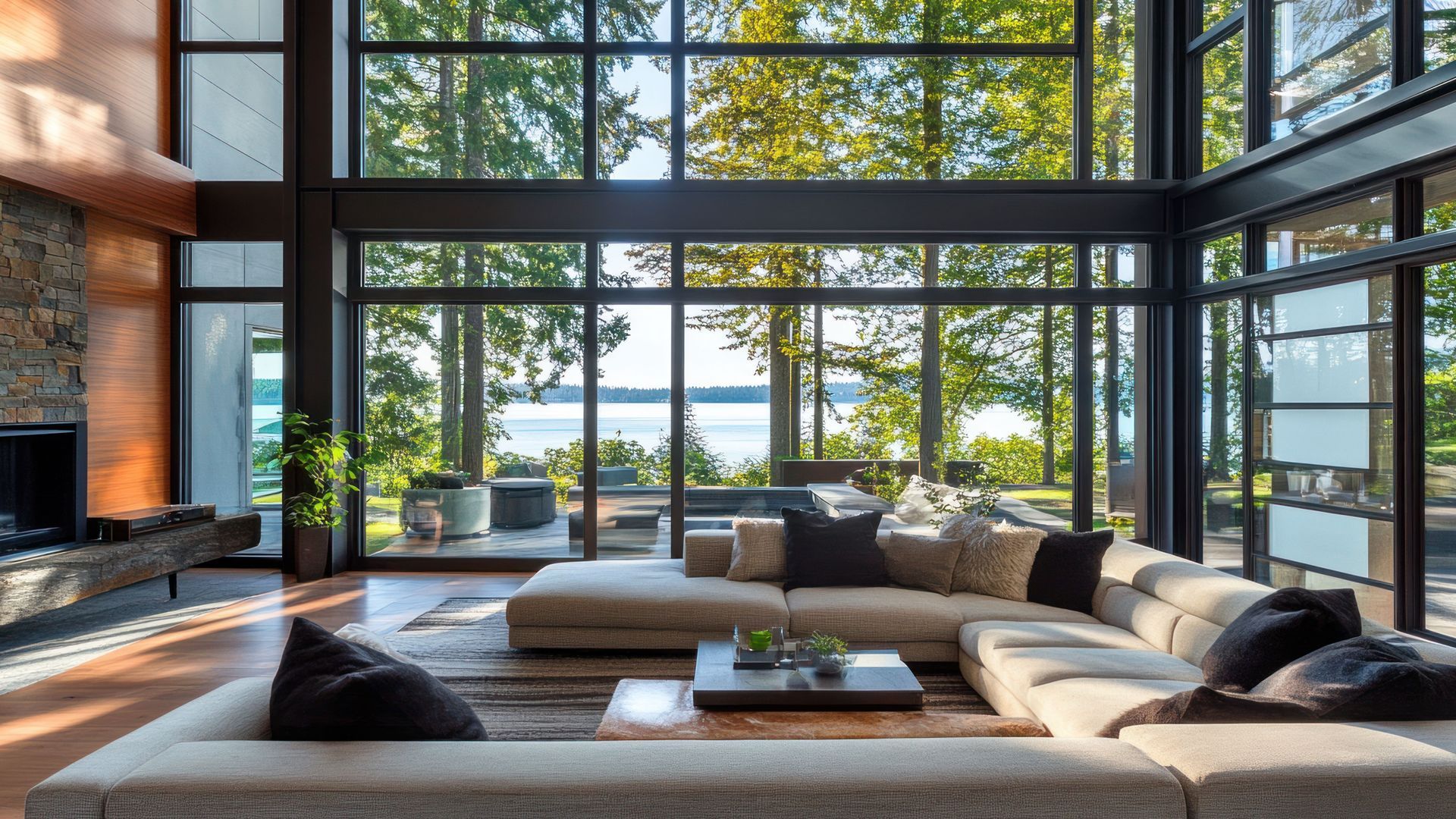
The role of glass in managing light spill (light pollution)
How can glass reduce light spill while preserving openness, energy efficiency and nighttime privacy? Explore key challenges and solutions.
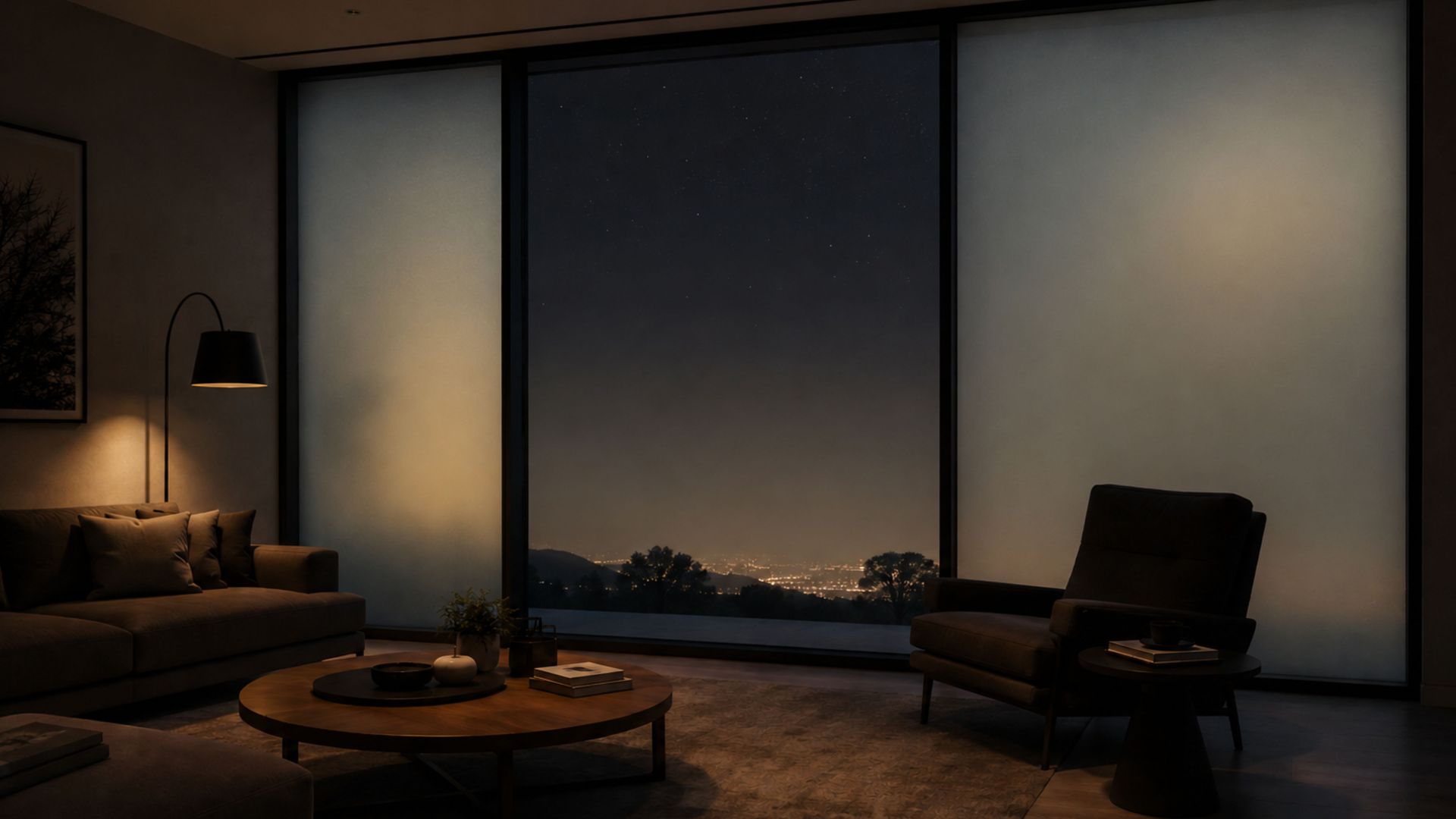
Glass plays a central role in how buildings contribute to – or help reduce – light spill and wider light pollution.
With the potential impact ranging from plain nuisance to ecological disruption, homeowners, architects and interior designers are all asking the same question.
How do you celebrate the connection between the indoors and outdoors without turning the building into a glowing lantern after dark?
Even relatively modest interior lighting can lead to light spill when combined with large expanses of clear glazing. This means architects and designers must think beyond external lighting such as security lights, tree uplighting and pathway decorations.
The building itself – especially regarding glass specification and placement – becomes a key part of minimising light spill through design.
What is light spill?
Light spill is a form of light pollution. The term "light spill" refers to any light that goes beyond the area that is supposed to be illuminated.
In residential architecture, interior lighting often escapes through windows and glazed façades. As modern homes increasingly feature floor-to-ceiling glazing, open-plan interiors and minimal window coverings, glass has become one of the biggest culprits behind evening light spill.
For architects, this isn't a new phenomenon. Glass has long been relied upon for sunlight, openness and attractive views during the daytime, then adapted to offer privacy and comfort after dark.
Yet at night, the same transparency can allow large quantities of artificial light to radiate into neighbouring properties, landscapes and ecosystems.
Window glazing is often chosen for its ability to draw natural light deep into the interior and visually connect occupants to the landscape. However, that relationship effectively reverses at sunset. When the light is projected outwards, brightly illuminated interiors become highly visible from the outside and light spills far beyond intended boundaries.
Is light spill a serious problem?
At first glance, light spill might sound relatively harmless. Taken to the extreme, however, it can become a nuisance to local communities and a significant waste of energy, as well as a danger to wildlife.
Neighbours may experience glare, particularly where modern LEDs (which emit small, very bright lights) are used. If the home is close to a road, this can also dazzle drivers.
Bedroom lights left on all night can lead to sleep disruption and discomfort if the light spills from one property to another. And in rural areas especially, a single highly glazed home can dramatically alter the character of an otherwise dark landscape (known as "sky glow").
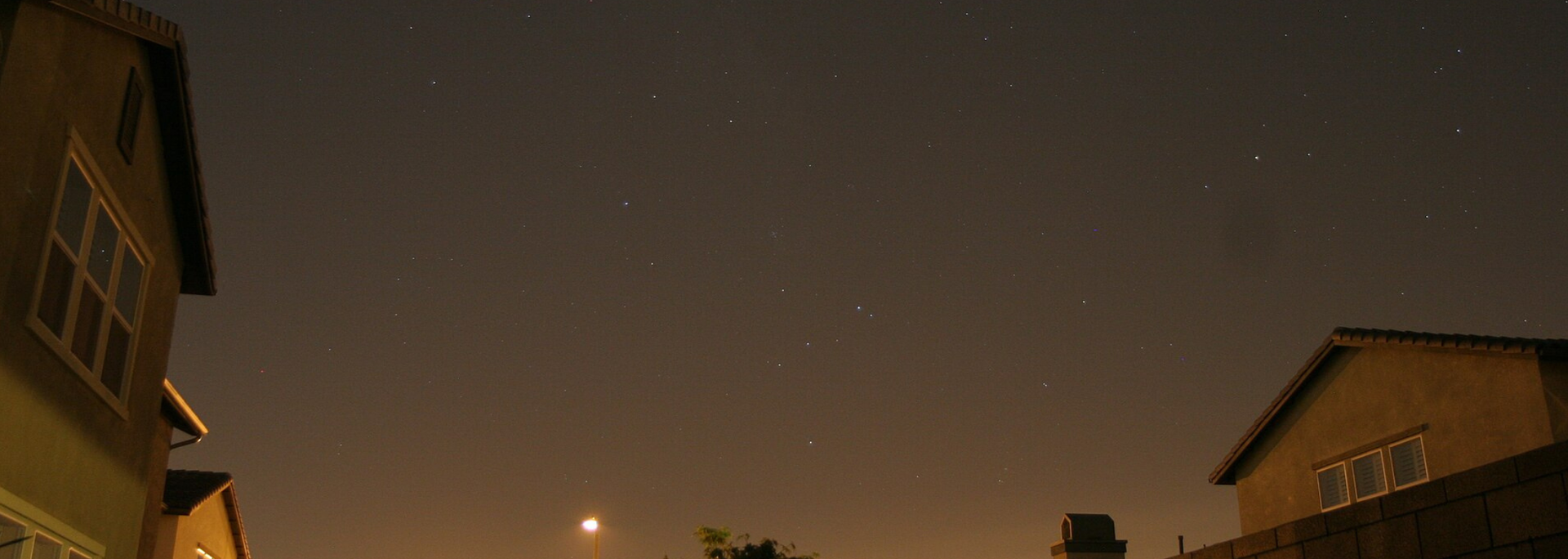
As disruptive as it can be to neighbours and communities, the ecological impact of light spill is far more dangerous. Artificial light can disorient birds, alter the feeding behaviours of nocturnal animals and distract insects – to the point that food chains and pollination cycles suffer.
Even relatively small amounts of persistent interior lighting can affect wildlife behaviour because many species rely on darkness as a biological cue.
How can windows and glass features help manage light spill?
Controlling light emissions is a critical part of architectural design, and many designers choose to combine solutions for maximum impact.
Small additions can include warmly coloured LEDs (which have a lower blue-light content) and motion sensors and timers. These ensure lighting is only used when necessary and more sociable when it is.
To make truly significant improvements, however, we must consider the light emitting from inside the home itself and make design choices at a structural level.
Glazing size and placement
Not every elevation element needs full-height, transparent glass.
While there are many cases where transparency is genuinely required, there are others where alternatives improve light spill without impacting the user experience.
One example would be to use deeply recessed windows instead of floor-to-ceiling glass on a wall that faces a wildlife reserve. Another would be choosing frosted glass for skylights to reduce sky glow.
Glass transmittance
Different glazing products allow different amounts of visible light to pass through.
Highly transparent low-iron glass, often favoured for premium residential projects, can maximise nighttime light spill because it offers very little visual filtering.
On the other hand, slightly tinted, fritted or coated glass systems may reduce outward light transmission while still maintaining excellent daylight quality during the day.
Interior design
When it comes to controlling light, window accessories will always be among the simplest and most effective solutions an interior designer can use.
Curtains or blinds can sometimes be seen as undesirable (particularly for spaces that crave minimalism or openness). However, it's possible to integrate high-performance shading systems discreetly.
Recessed blinds, sheer curtains, automated blackout systems and
smart glass
technologies all allow buildings to become more environmentally responsive after dark while still considering user experience and style.
Automation is another useful tool. Using sensors and other technologies, lighting and shading systems can be programmed to respond to occupancy, time of day or exterior light levels. This reduces unnecessary illumination and helps prevent entire glazed façades from remaining brightly lit deep into the night.

Ultimately, good design is not about eliminating glass or creating dark interiors: it's about balance. Well-designed homes can remain open, luminous and visually striking while seeking to minimise light pollution.
How ToughGlaze can help
As awareness of light spill grows, the role of glass in managing light spill will likely become an increasingly important part of sustainable residential design. For architects and interior designers alike, it represents an opportunity to create homes that are not only beautiful in daylight but also responsible after dark.
At ToughGlaze, providing unique and well-considered glass products to complement beautiful spaces is our speciality. We have a range of solutions that can help control light spill without compromising on design.
When light is important, but transparency is not
Sandblasted glass
Sandblasting involves blasting grains onto glass panes at high temperature. This creates frosted or opaque panes that permit light into the space while reducing the overall spill.
Our TG SB sandblasted glass products can be protected with a layer of Ritec Clearshield. That makes the panes both attractive and easy to maintain.
Coloured glass interlayers
Where the space demands something more, TG CI coloured glass offers the opportunity to transform an environmental choice into a deliberate statement.
Our products can be built from a huge range of colours and tailored by transmittance – transparent, translucent or opaque. They can also feature bespoke
screen-printed and
digitally printed
designs.
When you need a product that offers both
Smart (switchable) glass
For flexibility, TG SWITCH is the best
smart glass
on the market. It's the only solution to feature a third-generation NPRLC film and a unique water-resistant interlayer.
With this option, it's easier than ever for homeowners to minimise unnecessary light spill, reduce energy consumption and adapt their space to how they need it. With the press of a button, occupants can instantly turn the glass from clear to opaque and vice versa.
TG SWITCH can also be integrated with leading smart home systems, opening up even more options for sustainable, considerate design.
ToughGlaze is a UK glass processor founded in 1993. Are you looking for innovative glass products to help manage light spill? Contact us today to discuss your project and access expert advice.