
What is environmental protective glazing (EPG)?
How can secondary glazing help preserve historical stained glass? Learn about environmental protective glazing (EPG).
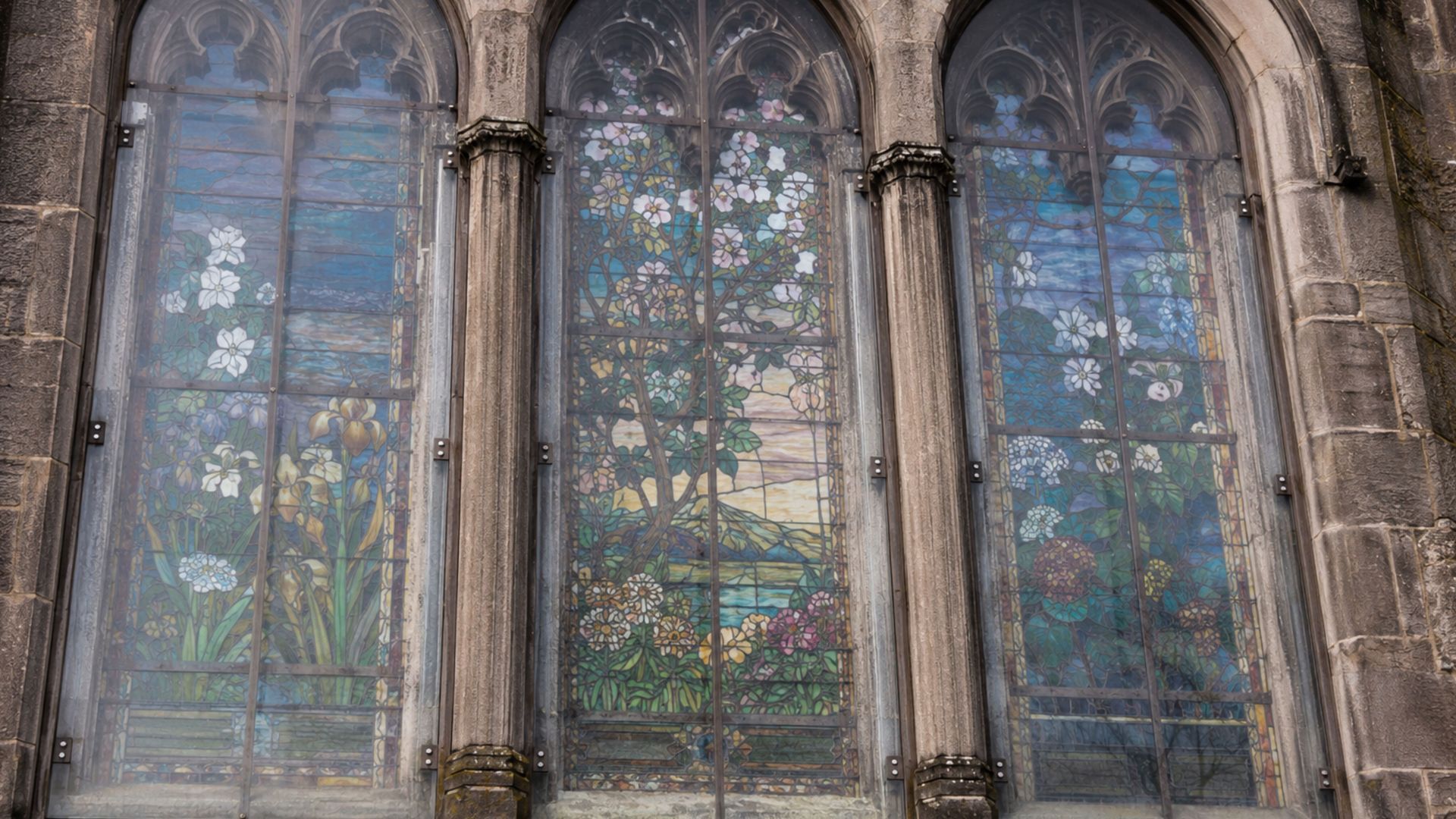
The conservation of historical buildings takes many forms and involves many industries. In the case of stained glass, modern glazing techniques play a crucial role. Environmental protective glazing (EPG) is the most commonly used product.
It's a form of secondary glazing – in other words, an independent window unit applied to an existing window (primary glazing).
Secondary glazing is used to increase thermal efficiency and reduce noise. In the case of EPG, its primary function is to shield historic stained glass from environmental damage.
Stained glass, you see, is susceptible to damage from rain, wind and pollution. This can cause the glass, leading and inward-facing paint to deteriorate.
EPG is one of the only ways we have to protect glass without removing it. It's nothing new – in fact, versions of EPG have been in use since the 19th century. Since then, however, strides have been made to improve its protective qualities.
What is EPG for?
The primary purpose of EPG is to stabilise the microclimate affecting historic glass. This distinguishes it from other kinds of secondary glazing, which seek to improve energy efficiency, noise reduction and impact resistance.
In some cases, it's the only defence against condensation and weathering for medieval stained glass. It means the glass can be protected without being removed.
How does EPG work?
EPG involves installing a secondary, protective glass layer on the exterior of a stained glass window. This enables the glass, which is usually fragile, to stay in place without becoming damaged by condensation.
One kind of EPG is also known as "isothermal glazing". This is internally ventilated, allowing air from the building to ventilate the glass. This helps match the temperature of the interior to the temperature of the glass and to keep it dry.
The space between the primary and secondary glazing must also be ventilated. Without this additional ventilation, heat, moisture and dirt can become trapped and damage the glass.
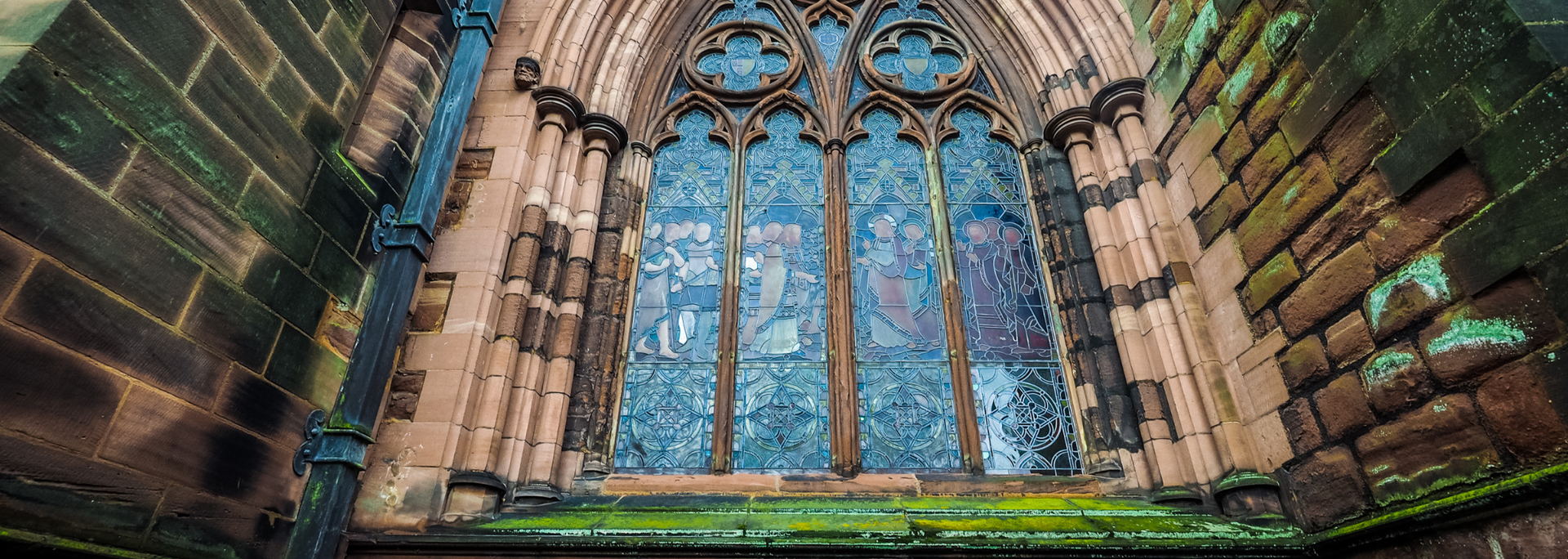
Other kinds of EPG, however, are either externally ventilated or not ventilated at all. External ventilation is sometimes used when the profile of the stonework or historic metalwork – known as "ferramenta" – makes internal ventilation difficult.
What are the benefits of EPG?
The main benefit of EPG is that it allows the owners of historical buildings to leave stained glass in place. The glass is protected against moisture and pollution without having to be removed and externally treated or put in a museum.
On top of this, EPG helps protect the building envelope. This is because stained glass has a practical function as well as an artistic one. In historic buildings, stained glass acts as a weather seal, separating the sacred inner space from the outside world.
Where is EPG used?
EPG is most often used in restoration projects. In the UK, this includes cathedrals like Lichfield and Durham as well as parish churches.
Is EPG reversible?
EPG is known as a "reversible intervention". This is a key principle of heritage conservation. It means that alterations can be reversed when new techniques are available without damaging the original building.
Despite this, EPG is visible from the outside. This change can, however, be minimised with an outer protective layer. The interior, meanwhile, can be protected with no significant change to its appearance.
What is the difference between part-leaded and full-pane EPG?
Part-leaded EPG gives the appearance of a leaded light from the outside of the building. The challenge in installing part-leaded EPG is avoiding lead-line shadows on the inside of the building.
Full-pane EPG, by contrast, has the outward appearance of sheet glass. It's manufactured from kiln-distorted glass. This gives a clear view of the historic stained glass without any mirror reflections. These reflections can also be prevented with the addition of wire guards.
How is stained glass protected from impacts?
Aside from environmental damage, the most common cause of damage to historic stained glass is impact. This could be deliberate or accidental and caused by hail, stones or other flying objects.
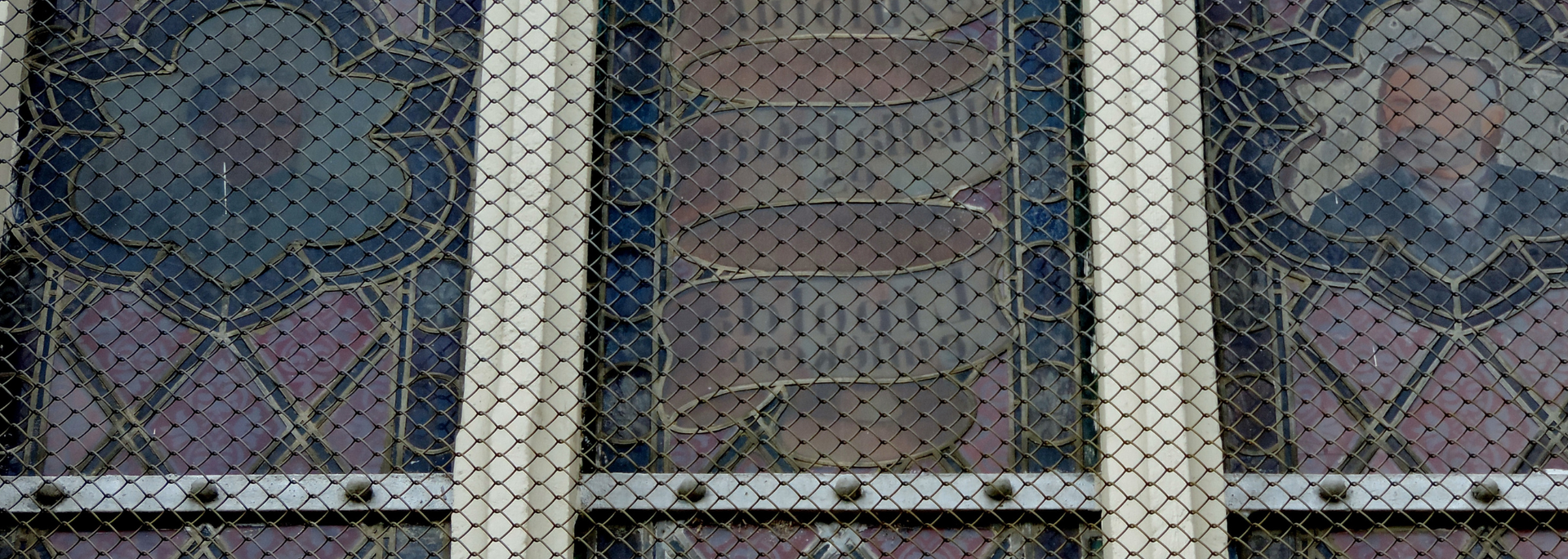
Traditionally, stained glass windows have been protected with wire guards and grilles. Nowadays, the most commonly used protection is welded stainless steel mesh.
The drawback of these guards is that they can sometimes cast shadow lines within the building. This is especially the case with clear glass or glass with more translucent painted designs.
In the last few decades, some stained glass has been protected with polycarbonate. This is an effective shield against impact and doesn't cast shadow lines. However, it doesn't have the longevity of wire guards and, over time, can discolour or even become opaque.
What kinds of glass is EPG made from?
EPG is made from different kinds of glass. Modern flat glass can create mirror-like reflections. For this reason, it's often eschewed by building conservers in favour of mouth-blown glass. This has a more undulating and imperfect surface to preserve the visual impact of stained glass.
Kiln-distorted glass is also used for an authentic feel. Like mouth-blown glass, it lacks the mirror-like reflections of standard float glass and is believed to more suitably complement historic stained glass.
Where additional mechanical protection is required, EPG is made from laminated glass. This offers high levels of impact resistance as well as environmental protection.
Laminated glass is a type of safety glass. This category of glass also includes toughened glass.
Laminated glass is used for mechanical protection – sometimes known as "vandal-resistance" or "bandit-resistance" – because of its structural integrity.
Made from two sheets of standard glass and a plastic interlayer, it can withstand high impacts before breaking. And when it finally breaks, the glass is designed to stay in its frame, helping to reduce the risk of injury from falling glass.
ToughGlaze is a glass processor based in Bedford, UK. We cut, process and ship a wide range of glass products – all under one roof. Are you looking for high-quality, custom-cut laminated glass for environmental protective glazing? Don't hesitate to get in touch with our experts to discuss your project and request a quote.