What are SentryGlas Plus interlayers?
What are SentryGlas Plus (SGP) interlayers and what role do they play in laminated glass applications? Find out in our guide.
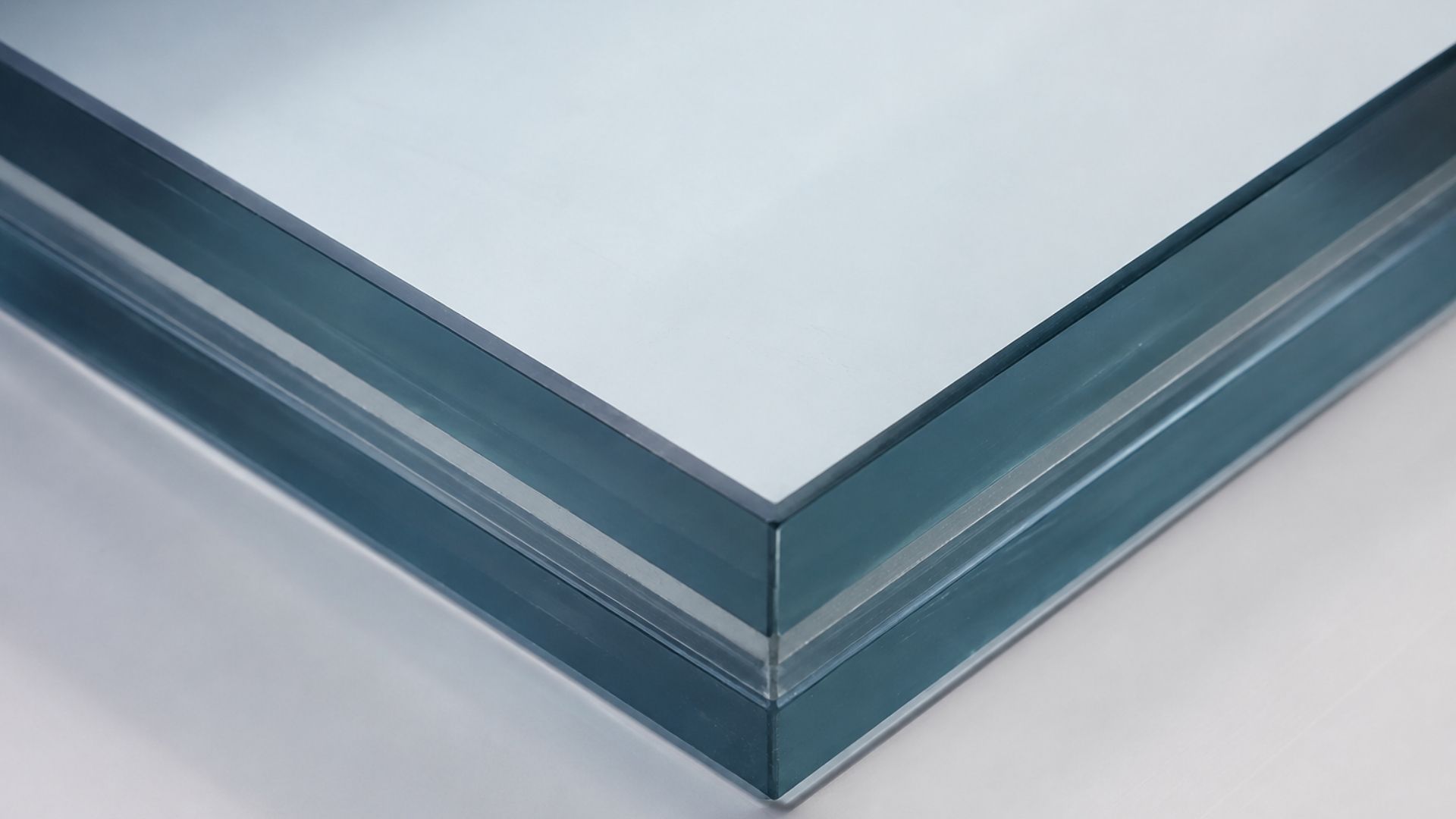
Laminated glass is a type of safety glass used for vehicle windscreens, structural glazing, storefronts, display boxes and more. Essentially, it's used in any location where additional security and strength are required.
So, where does it get its strength from?
It's partly because of the durability of the glass used. But a laminated glass unit consists of layers of glass bonded under heat and pressure with interlayers. It's these interlayers – a kind of structural sandwich filler – that give laminated glass its exceptional strength.
Interlayers, in fact, play a crucial role in what happens to the glass after it breaks. This is because the interlayer controls fragment retention, the stiffness of the unit, its impact resistance and its overall performance and durability.
Common materials for laminated glass interlayers include:
- Polyvinyl butyral (PVB) – the most common interlayer type
- Ethylene vinyl acetate (EVA)
- Thermoplastic polyurethane (TPU)
- SentryGlas Plus (SGP) – the subject of today's article
Like all the interlayer types just mentioned, SGP is sandwiched between two or more sheets of glass and bonds them together. This means that even if the glass breaks, the unit stays intact.
But what makes SGP different? The answer primarily lies in its superior strength, moisture resistance and post-breakage behaviour.
What makes SentryGlas Plus different from PVB?
The main difference between SGP and PVB is its strength. SGP, in fact, is marketed as being five times stronger and up to 100 times stiffer than PVB.
In practice, this means laminated glass panels with SGP interlayers can carry bigger loads, deflect less and retain more structural integrity in the event of a breakage.
There's a lot of overlap between the performance of PVB and SGP. But as a rule of thumb, SGP is used to maximise strength, reduce deflection and provide superior weather performance.
What are the benefits of SGP interlayers?
There are five key benefits of SGP interlayers. It's worth noting that some of these are shared by other kinds of laminated glass interlayers.
1. Structural performance
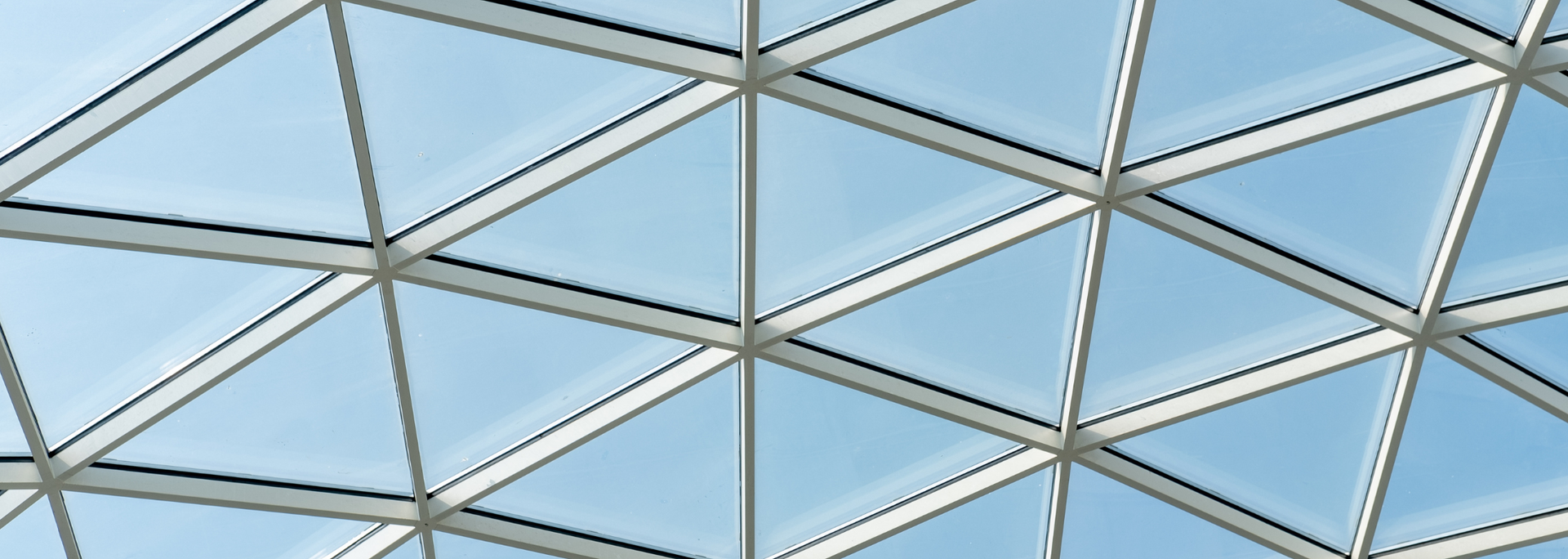
SGP interlayers are a key component in the structural performance of laminated glass and are often used where the glass itself is part of the structure. These applications might include glass roofs or skylights, curtain walls, floors, stairs and balustrades.
2. Strength after breakage
A key selling point of laminated glass is its strength. But its performance after breakage is as important as the energy it takes to break it in the first place.
Like other types of interlayers, SGP continues to hold fragments together even after the glass cracks – and it does this more effectively than its competitors. This makes it an oft-specified interlayer for overhead glazing and other kinds of structural glazing.
3. Weather performance
Externally installed glass must be able to withstand weather and moisture, especially when edges are exposed. SGP is often chosen for its superb weather performance.
4. Storm resistance
Sometimes, laminated glass is specified for areas where storms and extreme weather are to be expected. Storm-rated glazing systems are often fitted with SGP interlayers.
5. High security
Laminated glass does more than just take a long time to break. It's often used to provide high security and can be specially modified to withstand blasts and bullets. In all these applications, SGP interlayers can be used.
These key benefits make SGP interlayers the interlayer of choice in specific contexts. These sometimes overlap with the use of PVB. The difference is in the degree of these attributes rather than their presence.
What are SGP interlayers commonly specified for?
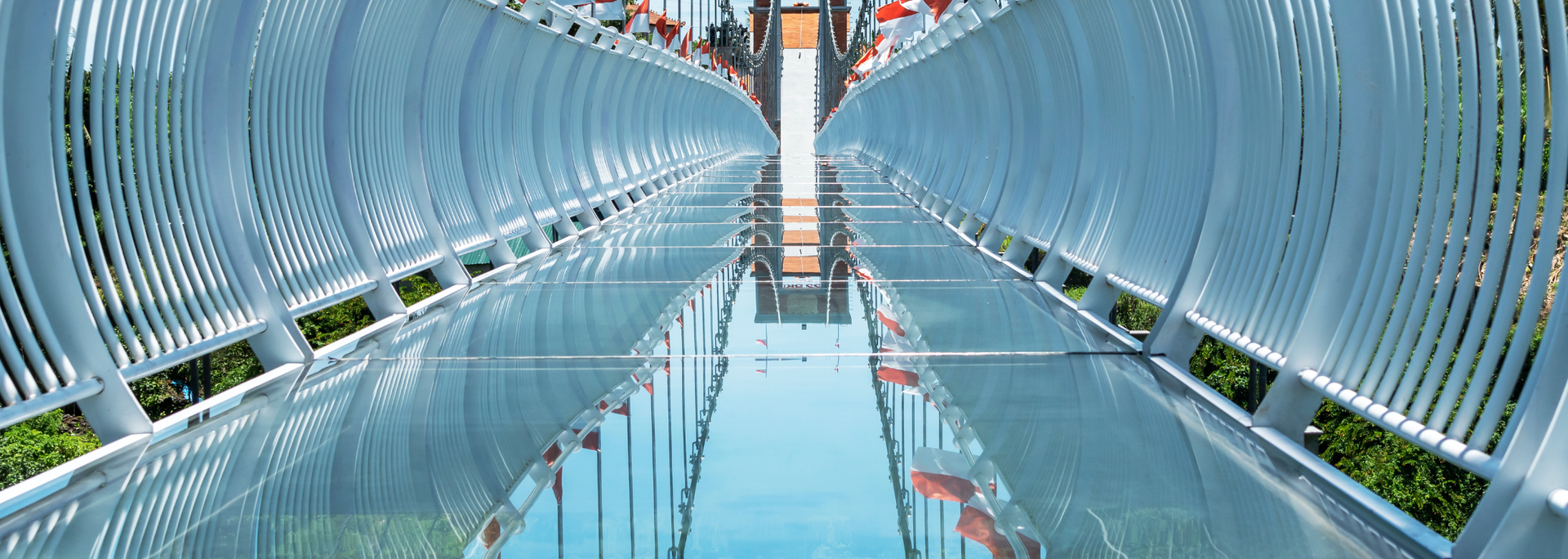
Laminated glass is a versatile product with a wide range of use cases. Laminated glass units with SGP interlayers tend to be used in specific applications.
These include:
- Glass balustrades and railings
- Structural glass facades and curtain walls
- Glass floors, stairs and walkways
- Canopies and overhead glazing
- Hurricane-resistance windows
It's also used for blast resistance and security glass in embassies, government buildings and other high-security areas that need resistance against bombs and forced entry.
SGP interlayers are often specified for large-panel and "jumbo" glass in high-rise buildings and large facades where glass deflection needs to be minimised.
Finally, SGP interlayers are specified for zoos and aquarium enclosures.
What many of these applications have in common is the need to support heavy loads, withstand severe weather and maintain structural integrity after a breakage. PVB's structural integrity is limited compared to SGP and its post-breakage performance is less impressive.
What's more, SGP has better moisture resistance than PVB, which is more vulnerable to edge degradation.
The final advantage that makes SGP interlayers a frequently specified product is their high level of transparency. This makes it a popular choice for low-iron structural applications.
What are SGP interlayers made from?
SGP interlayers are made from a tough ionoplast polymer. This creates a rigid structural bond between glass panes – a bond that makes its superior performance possible.
SGP interlayers were developed by DuPont and are now produced by Kuraray. Rather than using the full name "SentryGlas Plus", people typically refer to it as the generic name "SGP".
The bottom line
In the world of glazing, the devil is in the details. In practical terms, however, the specification of SGP and PVB usually comes down to the need for structural glazing to remain safe and functional after breakage.
For this reason, SGP interlayers are often chosen for balustrades, glass floors and large facades that need weather resistance and extra structural rigidity.
If in doubt, your best bet is to ask your glass supplier for advice. They'll be able to talk you through your interlayer options and help you specify the right laminated glass units for your project.
At ToughGlaze, we provide laminated glass products with a choice of PVB or SGP interlayers. In applications where extra strength and stiffness are required – for instance, frameless balustrades, glass floors and structural panels – we use high-quality SGP interlayers.
To learn more, explore our range of laminated glass products. And don't hesitate to get in touch with our experts to discuss your project in more detail.