
How architects use translucency in modern buildings
Architects make extensive use of translucency to enhance both form and function. Explore architectural applications for translucent glass.
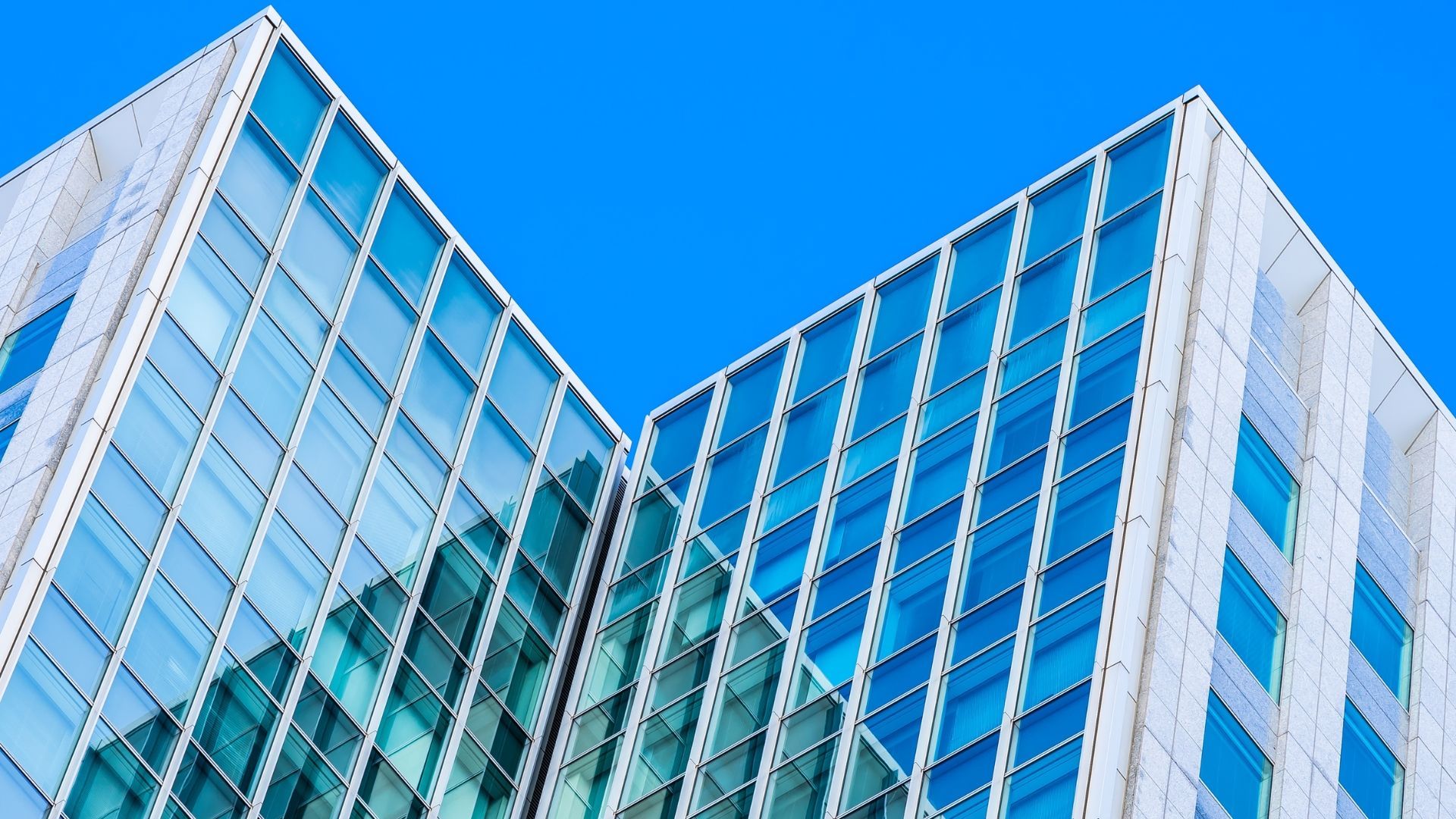
Perhaps more than any other discipline, architecture represents a careful marriage of form and function.
Functional elements must be woven into the structure so as not to upset its aesthetic balance. Aesthetic elements placed haphazardly risk undermining function. Often, it's a game of compromise. Sometimes, the two elements are so intertwined as to be inseparable.
History is full of examples. The flying buttresses in Gothic cathedrals, which transfer roof weight outward while creating an open, soaring aesthetic. The imposing iron bridges of the 19th century, whose huge cantilevers communicate a solemn industrial might. The grand staircases in mansions, museums and train stations. All serve a clear practical purpose while helping define the visual beauty of the structure.
Today, this tightrope act continues. And one of the most widespread modern examples is the use of translucency.
Translucency is everywhere in contemporary architecture – from façades to feature walls, and from balustrades to boardrooms. Like our historical examples, these applications often represent a compromise – or balance – between form and function.
In this article, we explore how translucency is used, how it's achieved and how you should go about specifying translucent glazing for an architectural project.
What is translucency?
The Merriam-Webster Dictionary defines "translucent" as "transmitting and diffusing light so that objects beyond cannot be seen clearly".
In other words, translucent materials let light through, but not so much light that those on the outside can clearly see what's inside – or vice versa.
Some materials are more translucent than others. In that sense, you can think of translucency as occupying the hazy middle ground between these two absolutes:
- Opaqueness (no light gets through)
- Transparency (nearly all light gets through)
In architecture, there are many ways to achieve and wield translucency. One of the most commonly used translucent materials is specialised glass, treated with sandblasting, fritting or etching to diffuse light. However, glass isn't the only option. Architects also create translucent effects using thin, illuminated stone slabs, polymer sandwich panels and even embedded optical fibres in solid concrete.
Uses of translucency in modern architecture

Creating privacy without sacrificing natural light
Privacy is perhaps the most intuitive use case for translucency. After all, the headline feature of translucent glazing is that it allows daylight into a space while preventing clear views through it.
In this capacity, translucent glazing is often used in offices (for boardrooms and breakout spaces), hospitals (for patient treatment rooms) and bathrooms (for obvious reasons). All these applications deliver privacy for users without compromising the mood-enhancing benefits of daylight.
But like all architectural decisions, it's about balance. Highly diffused glass may provide more privacy, but the trade-off is a reduced sense of connection with the outside world.
Diffusing daylight throughout a building
As well as harnessing translucency to create private spaces, architects often use it to manage light quality.
Daylight is good – but you can have too much of a good thing. Wall-to-wall transparent glass can create glare, uncomfortably strong patches of sunlight and even localised heat gain that can compromise structural integrity.
Using translucent atriums, rooflights, façades or internal partitions, architects can tame this overabundance of daylight and shape it to their whim. The result is a softer, more consistent quality of daylight that's more pleasant for building users and potentially less harmful to the building itself.
Translucency is particularly valuable in situations where architects want to bring light deeper into a building while avoiding intense direct sunlight.
Creating a sense of mystery and visual depth
Here's a more design-led application of translucency.
Translucent glass can obscure the full details of a building or interior, encouraging observers to perceive silhouettes, shadows and changing light levels.
This can create intrigue, visual depth and a sense of movement – all of which add up to more engaging, more atmospheric spaces.
Used in this way, translucency can also create dramatically different effects from day to night. When backlit, translucent glass buildings appear to glow, becoming warm lanterns that diffuse light into the built environment beyond.
How should architects specify translucent glass?

"Translucency" is a broad term. It can describe anything from softly frosted glass, through which shapes and shadows are clearly visible, to embedded fibre optics in concrete that appears all but opaque.
For that reason, it's best to think beyond the broad goal ("create privacy" or "diffuse daylight") and more about the specific performance characteristics of a product.
Consider:
- How much daylight is required?
- How much privacy is needed?
- How much visual detail should remain visible?
- Is glare a concern?
- Is the glass being used internally or externally?
- Does it need to meet safety or impact requirements?
- Will it be illuminated or backlit?
Translucent glass products from ToughGlaze
At ToughGlaze, we offer several
decorative glass products that can address many real-world use cases.
- For a simple frosted effect, consider TG SB (sandblasted glass). As well as offering varying degrees of translucency, this product can be decorated with translucent frit, logos and other stencilled designs.
- TG CI (coloured interlayer glass) is another option. By combining interlayers from Vanceva's palette of 13 basic colours, around 3,000 custom colours can be achieved – including translucent options.
- TG SP (screen-printed glass) and TG DP (digitally printed glass) can achieve diffuse effects when dots or lines are printed on the glass panels. These designs are baked into the glass, lasting as long as the glass itself.
- TG FI (fabric-laminated glass) and TG MI (mesh-laminated glass) use textile or metal interlayers, opening up numerous possibilities for light control and textural appeal.
- Finally,
TG SWITCH (smart switchable glass) presents a thoroughly modern solution to the translucency problem. This glass is electrically dimmable and can be integrated with smart building systems, allowing for precise and automated control of translucency levels.
Many of the products above can also be combined with
TG WOL, our
decorative LED glass. Ideal for feature walls and partitions, this product transforms glass into a soft, diffuse light source.
If you'd like to discuss any of our translucent glass solutions, please don't hesitate to get in touch. We'll be happy to advise on the best solution for your particular application.