What is impact-resistant glass?
What is impact-resistant glass and how is it different from other kinds of super-strong glass? Get the facts in our glass guide.
Ask the person on the street to name five different types of glass. We suspect you'll get a mixture of blank looks and vague references to double glazing.
Despite its prevalence as a building material in both residential and commercial settings, common knowledge about the variety of glass products on the market is spotty at best.
This is mainly because of the astonishing versatility of glass as a building material. Glass can be
illuminated,
screen-printed or
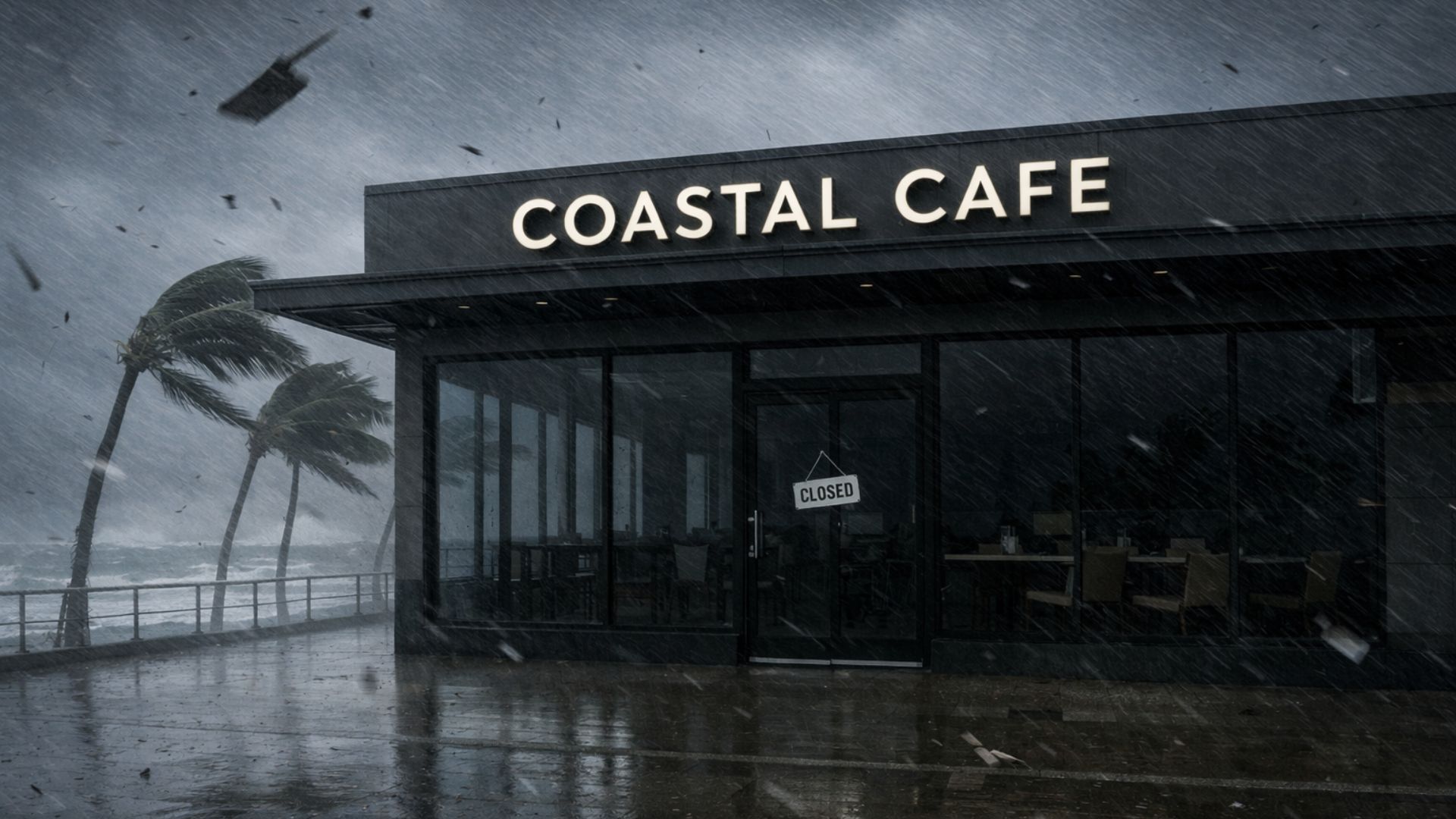
turned from transparent to opaque with a smartphone. And in places vulnerable to extreme weather, it can serve as a vital protection against hurricanes and other weather events.
These types of glass fall under the bracket "impact-resistant glass". Sometimes simply known as "hurricane glass", it shares much in common with safety glass. This is a category of glass products used in so-called "critical locations", where extra safety and protection are not only desirable but mandatory.
The purpose of impact-resistant glass is clear from its name – to withstand high-velocity impacts from debris and intense winds.
No glass product is unbreakable. But when impact-resistant glass breaks, its two or more glass panes are designed to hold together rather than breaking into dangerous shards. That's important because those shards could fly off and injure bystanders during a storm.
What are the key benefits of impact-resistant glass?
There are three main benefits of impact-resistant glass. They all address the same problem: how to keep people safe in extreme weather.
Suitability for extreme weather
The first benefit is that impact-resistant glass is engineered to withstand hurricane-force winds and impacts from flying debris. This protection from high-velocity impacts makes it ideal for regions vulnerable to storms.
Fracture behaviour
Related to this first benefit is how impact-resistant glass breaks. It's a kind of
laminated glass, consisting of two sheets of glass (sometimes
toughened) and a plastic interlayer. This means that when broken, the laminated unit breaks safely, with little or no danger of flying fragments.
Security
Because it can withstand high-velocity impacts and breaks safely, impact-resistant glass can also provide enhanced safety against manual attack and forced entry. The interlayer remains intact even when pounded with a hammer or an axe.
And more…
Alongside these three key benefits, impact-resistant glass:
- Has soundproofing properties
- Blocks up to 99% of ultraviolet (UV) rays
- Offers superior thermal insulation to standard glass
What are the main types of impact-resistant glass?
In hurricane zones, impact-resistant glass is laminated. This is the gold standard for impact resistance thanks to its super-tough exterior and interlayer.
Sometimes, these laminated units are insulated, combining the strength of laminated glass with thermal insulation. At other times, they're manufactured as acoustic laminates. These have an interlayer that improves sound insulation as well as impact resistance.
Impact-resistant glass is sometimes marketed as "hurricane" or "hurricane-rated" glass. These units are specifically tested for hurricane protection and can be bought in thicker versions.
However, not all impact-resistant glass is laminated. In some situations where impact resistance is required, toughened glass – also known as "tempered glass" – will suffice.
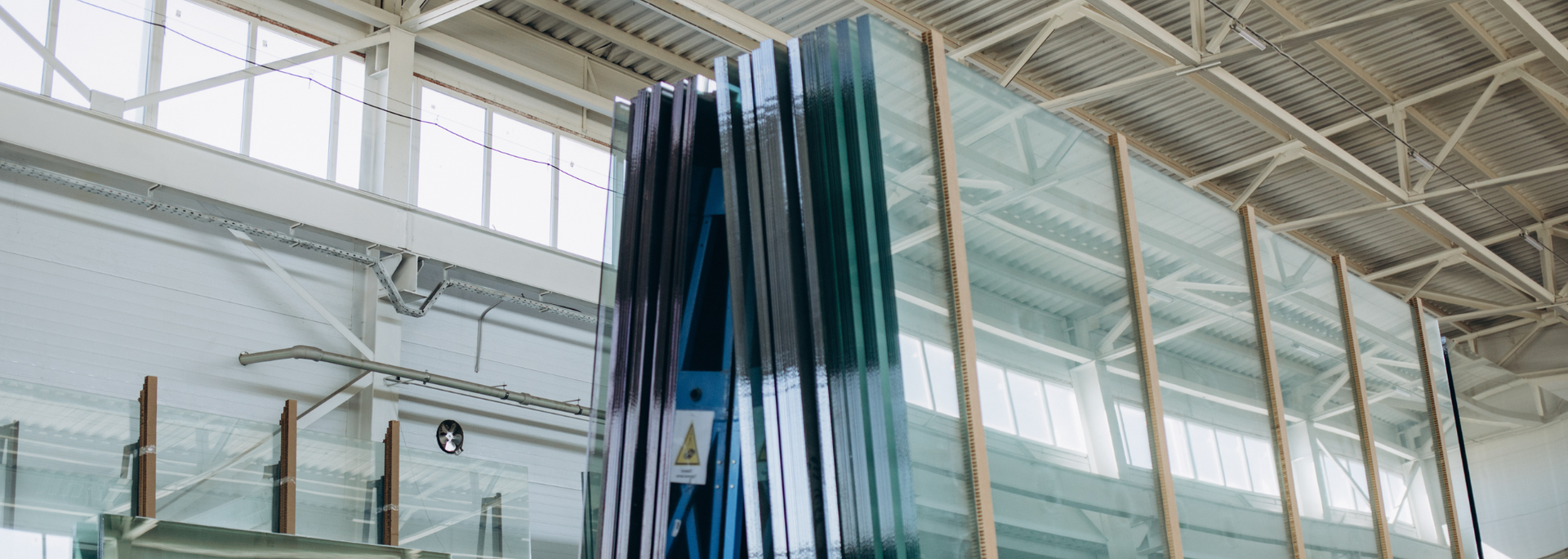
Toughened glass is heat-treated to be four or five times stronger than standard annealed glass. When it breaks, it shatters into lots of tiny, relatively harmless pieces.
Toughened glass isn't suitable for hurricane zones. However, it's often found in lower-stakes applications such as shower doors and sliding doors.
What standards are impact-resistant glass tested to?
The effectiveness of impact-resistant glass is no laughing matter. In hurricane zones, it can be the difference between life and death for building users and bystanders.
This is why impact-resistant glass (like other kinds of safety glass) is tested to strict standards.
The primary European standard for impact resistance in buildings is the so-called "pendulum test", also known by its official title "BS EN 12600".
Replacing the older BS (British standard) 6206, this test involves dropping a 50 kg weight from various heights onto the glass. The glass is then classed as Class 1B1, 2B2 or 3B3.
Class 1B1 is the highest class of impact-resistant glass and can withstand a 1200 mm drop. Toughened glass and laminated glass fall under this category. Meanwhile, Class 2B2 can withstand a 450 mm drop and Class 3B3 a 190 mm drop.
Different tests cover different types of impact-resistant glazing. If the glass is designed to withstand manual attack, for instance, it's tested to BS EN 356.
In North America, safety glazing is covered by the ANSI Z97.1 standard, while ASTM E1996 and ASTM E1886 relate to wind-borne debris protection in hurricane zones.
How is impact-resistant glass made?
Impact-resistant glass is typically laminated. Laminated glass is made by cutting glass sheets to specific sizes before inserting a plastic interlayer (often polyvinyl butyral). This interlayer sometimes has additional soundproofing or thermal insulation properties.
This glass sandwich is then passed through heated rollers – or, in some specialist applications, processed under vacuum – to remove air. After this, it's heated and subjected to high pressure in an autoclave (a kind of high-tech pressure cooker).
Once cooled, the product is inspected for defects and then trimmed.
Toughened glass is also sometimes classed as "impact-resistant". This is made by heating a standard sheet of standard annealed glass in a furnace at high temperature – around 650°C (1,200°F).
After removal from the furnace, the glass is rapidly cooled or "quenched" using blasts of cold air. This process creates a state of high surface compression, which causes the glass to fracture into relatively blunt fragments rather than large, jagged shards when broken.
What is impact-resistant glass used for?
In coastal areas, impact-resistant glass is used to keep the building envelope intact by stopping the entry of wind and water.
Away from the coast, it's used in both residential and commercial properties to protect against manual attack. In residential properties, it's used for entry doors, sliding glass doors and ground-floor windows. In commercial settings, it's used for shopfront glazing, glass doors and high-traffic areas.
Founded in 1993, ToughGlaze is a leading UK commercial glass company. For more industry insights and product guides, visit our free resource hub.