What is low-carbon glass?
What is low-carbon glass and how can it improve a building's sustainability? Learn how it's used, how it's made and how it works.
These days, sustainability is a key consideration for businesses of all shapes and sizes – from budding start-ups to multinationals.
But as concepts go, sustainability is broader than the Golden Gate Bridge. It encompasses everything from waste reduction to ethical sourcing.
It also covers construction. After all, buildings are a key contributor to carbon emissions – or, at least, the energy-inefficient ones are.
A building designed to reduce carbon emissions is an asset to any business with strict sustainability targets. And no building of this kind can achieve its goals without one thing: sustainable glazing.
A big part of this is the use of materials. Architects and project managers increasingly specify eco-friendly framing materials and recyclable glass. Often, this means specifying low-carbon glass.
This is a kind of flat architectural glass designed and manufactured to have a small carbon footprint. It's often between 35% and 52% lower in embodied carbon than standard float glass of an equivalent size.
It achieves this by having a high cullet content – "cullet" being the industry word for crushed or broken waste glass.
The manufacturing process, too, can contribute to low-carbon glass's low-carbon status, whether through the use of renewable energy or alternative green fuels.
Perhaps best of all, low-carbon glass has identical levels of clarity, strength and thermal performance as normal glass. It's the best of both worlds in a bid to do the best for this world.
Low-carbon glass is used in a diverse range of settings, from commercial office and high-rise glass facades to residential windows and doors, double and triple glazing units.
In this article, we dive into this replacement for traditional float glass. First up: how is it made?
How is low-carbon glass made?
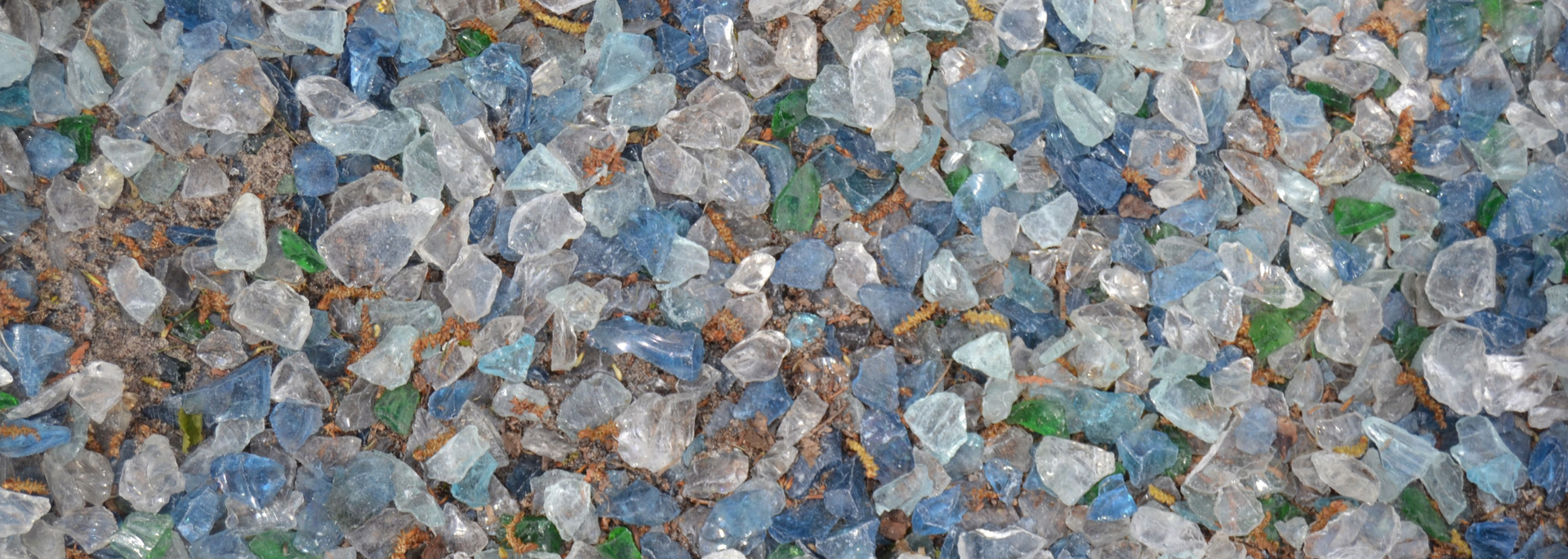
Low-carbon glass can use 60% to 70% cullet. Compare this to the 15% to 20% used in standard glass, and you'll see where low-carbon glass gets its name from.
The higher the recycled content, the less energy is needed for melting raw materials. This is often complemented by the use of green electricity, solar power, wind power or liquefied natural gas at the manufacturing stage.
Furnaces, too, are increasingly optimised to make the manufacturing process more energy efficient. They do this through a combination of melting technology and digital tracking.
What are the main uses of low-carbon glass?
The main uses of low-carbon glass fall into two categories:
- Architectural and structural applications
- Interior and specialised applications
In the architectural and structural sphere, low-carbon glass is often used for large-scale curtain walls and external skins in building projects where low emissions are a priority.
In residential settings, it's used for residential windows and doors with energy-efficient frames and glazing. In both residential and commercial spaces, it's used for double- and triple-glazing units.
Then there are the interior applications. It's increasingly found as the base material for glass office dividers and wall panels.
Low-carbon glass can be processed with interlayers that boost soundproofing or impact resistance. These laminated low-carbon units confer all the benefits of laminated glass along with the sustainability benefits of low-carbon manufacturing.
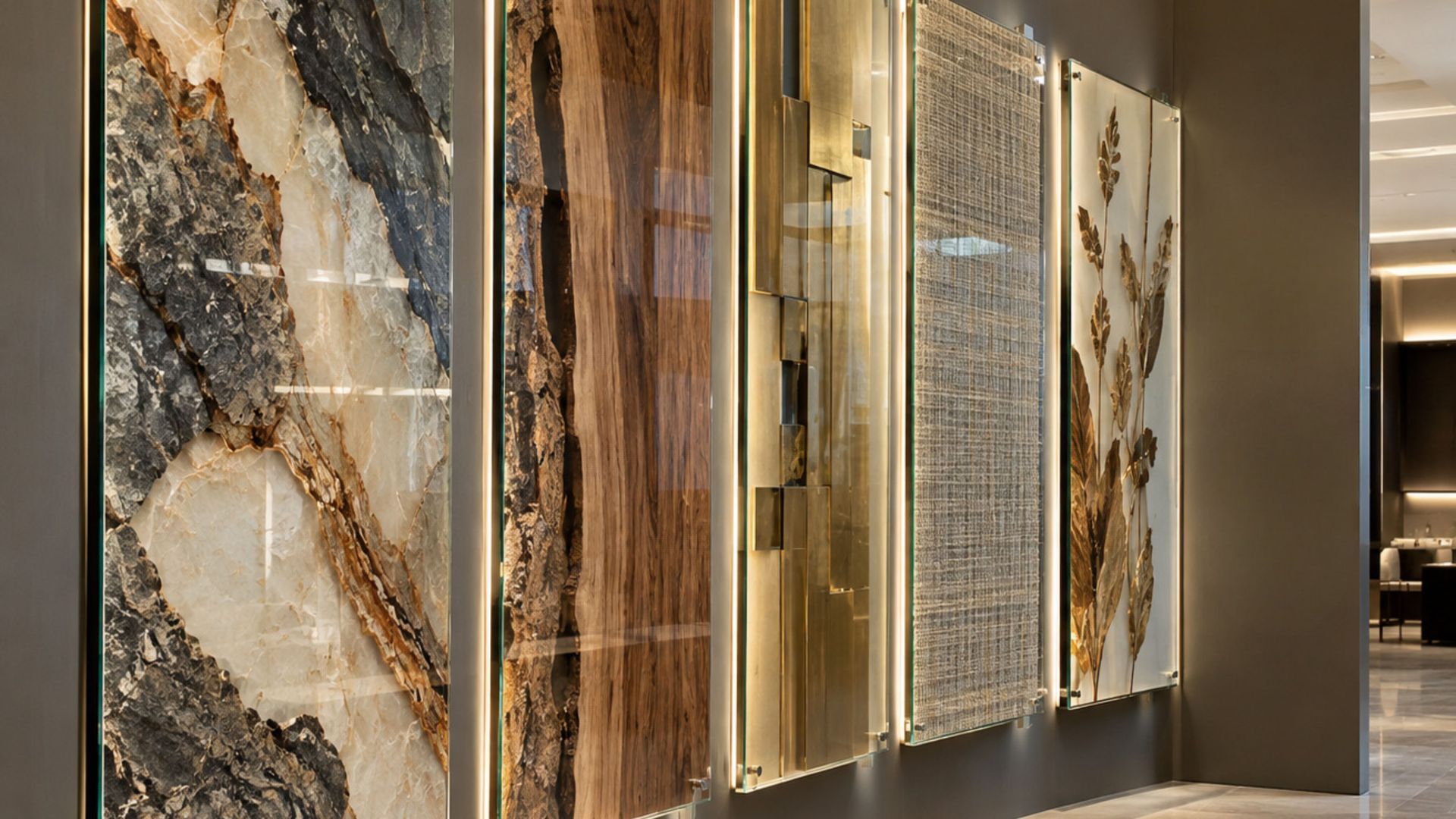
Finally, low-carbon glass is used for decorative elements in all sorts of buildings. That includes products like silvered mirror glass, screen-printed glass and acid-etched glass.
What are the benefits of low-carbon glass?
Low-carbon glass brings multiple benefits to building projects. These fall into two categories. First, they benefit environmental performance at the manufacturing and construction stages. Secondly, they benefit the buildings in ways unrelated to sustainability.
Environmental benefits
There's no disputing the eco-friendly benefits of low-carbon glass.
Low-carbon glass has a high cullet content and employs more sustainable manufacturing methods, such as green electricity, alternative fuels and low-emission gas. Together, these efforts to reduce embodied carbon mean that low-carbon glass can dramatically cut a building's global warming potential (GWP).
The high recycled content also reduces the need for virgin raw materials and all the carbon emissions required to extract them.
Performance benefits
Of the non-environmental benefits, perhaps most appealing to designers and architects is the fact that low-carbon glass looks and behaves like traditional glass. It offers the same aesthetic, the same level of clarity and the same safety properties. Cutting emissions doesn't mean cutting corners.
Low-carbon glass can also be easily integrated into building projects. It can be combined, for instance, with thermal insulation, acoustic dampeners and solar control coatings.
Last but not least, low-carbon glass helps architects gain credits for sustainable architecture targets such as LEED and BREEAM.
What are the drawbacks of low-carbon glass?
In terms of performance and sustainability, there are pretty much no drawbacks to low-carbon glass. The drawbacks are more about cost, supply and workplace culture.
Low-carbon glass is a premium product, and many project managers resist or reject it for this reason. This sometimes goes hand in hand with a lack of technical guidance and hesitation borne out of unfamiliarity.
There's often a scarcity of supplies at a regional level. This is because of the relative recency of low-carbon glass. As production scales and usage increases, this situation is likely to change.
People also sometimes shy away from low-carbon glass because certification metrics don't always neatly overlap. This can make it challenging to evaluate claims about the lifecycle of glazing.
Can low-carbon glass help secure credits for environmental standards?
Low-carbon glass is used to help secure credits for environmental and green building standards. It does this by lowering a building's embodied carbon.
Embodied carbon is the amount of greenhouse gases released during the creation, transport, maintenance and disposal of the building materials.
What's the difference between low-carbon glass and low-e glass?
Low-carbon glass refers to glass produced with a reduced carbon footprint during manufacturing. Low-e (low-emissivity) glass has a thin metallic surface coating that reflects thermal heat and controls solar radiation.
Founded in 1993, ToughGlaze is a UK-based glass processor. Discover our commercial glass products or explore more free resources on our blog.