How to choose glass for high-humidity environments
Are you looking for glass to install in an especially humid environment? Learn how to find the right glass and the right framing system.

Glass has always been used to protect against the elements. After all, what's an external window but a transparent or translucent shield on the side of a building? We need windows, facades and other kinds of structural glazing to help keep us warm and dry.
However, glass isn't just used in external applications to keep us safe from wind, rain, sleet and snow. In high-humidity environments, it also needs to keep out the moisture.
In the UK, this isn't so much of an issue – although things can get sticky in summer. It's much more of an issue in Southeast Asia, the Caribbean, the US Gulf Coast and South America.
There, standard-issue
toughened or
laminated glass doesn't quite cut the mustard. In these places, glaziers need to install glass designed to minimise condensation along with moisture-resistant frames.
The goal of these kinds of glass and framing systems is to keep the interior of the glass at a stable temperature and reduce the amount of moisture that can enter the window unit.
Why does it matter? Well, an unstable or uneven interior temperature in glass causes one thing – internal stress. Down the line, this can lead to cracking or even shattering, thanks to a process called thermal shock or thermal fracture.
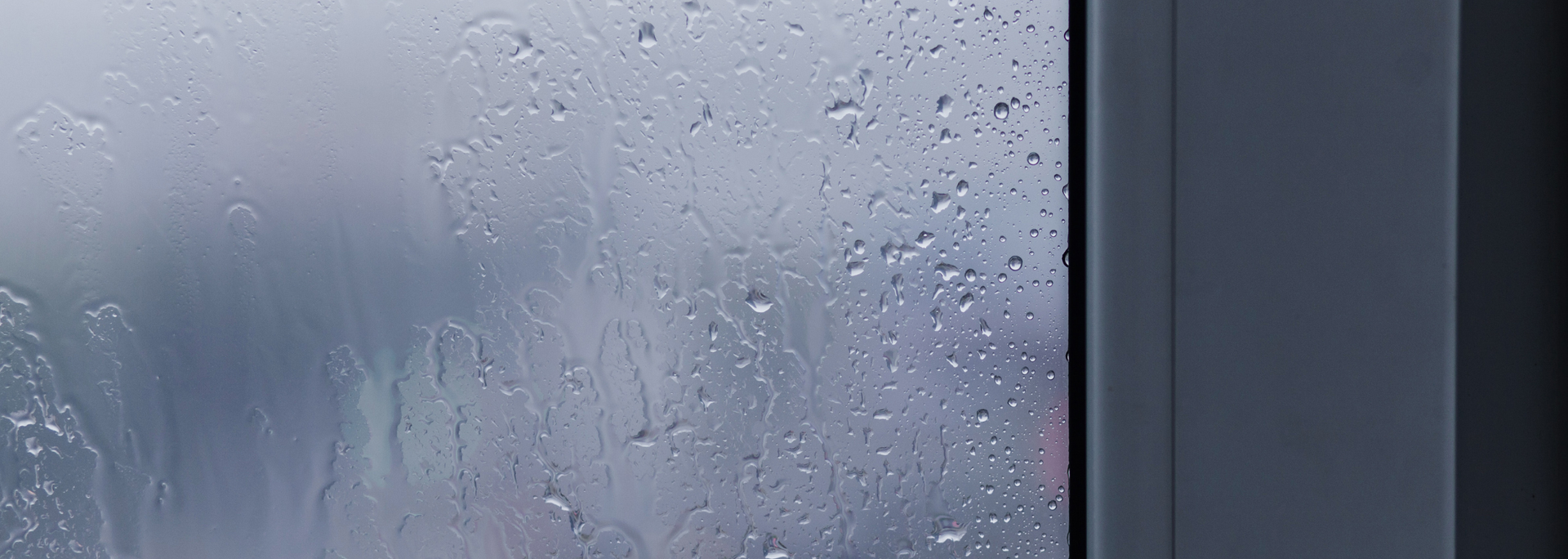
But even if the glass doesn't shatter, condensation is often aesthetically displeasing. A "blown" glass unit is foggy – not what anyone wants from a sheet of glass.
So, if you're planning or overseeing a construction project in a high-humidity environment, be careful about the glazing materials you choose. Here are some pointers to help you source the right materials for the job.
What kind of glass should you use in high-humidity environments?
There's no single answer to this question. Your choice of materials will depend on a range of factors: your budget, for instance, and the availability of materials.

It will also depend on building regulations. If your glass is to be installed in a "critical location" – at least in the UK – it should be toughened or laminated safety glass. In other contexts, other kinds of glass are permissible.
Layers, however, are a must, whether laminated glass units or insulated glass units (IGUs). IGUs work by leaving an air gap between panes – two in double glazing, three in triple glazing. This gap helps maintain a consistent temperature inside the glass, drastically reducing the risk of condensation.
The gap between the panes can also be filled with an inert gas such as argon or krypton. These gases are denser than air, providing better insulation and improving the unit's overall thermal performance and resistance to moisture.
The air or gas is kept between "spacers". In a high-humidity environment, you may want to explore warm edge spacers. These are less conductive than aluminium, reducing condensation at the edges by keeping them warmer.
Glass can be coated with Low-E (low-emissivity) coatings. These are microscopically thin coatings that reflect heat. This keeps the interior glass surface warmer in winter and cooler in summer.
Like the air gap in a double-glazed or triple-glazed unit, a low-E coating makes condensation far less of a problem – a real advantage in high-humidity environments.
When installing glass in a high-humidity area, you may also want to look for a high condensation resistance (CR) rating. The higher the rating, the better the window is at resisting condensation and reducing the chances of thermal fracture.
What's in a frame?
The glass you choose is important – but alone, it won't keep moisture entirely at bay. The frame, too, plays a pivotal role.Moisture-resistant frames are available on the market. Frames made from vinyl and fibreglass don't absorb moisture and won't rot, warp or grow mouldy.
You may, however, want aluminium frames. If you decide to install these, you should ensure they have a "thermal break". Often made of polyamide, a thermal break is inserted between the inside and outside of the frame to reduce heat conduction and condensation.
Installing glass in high-humidity environments
A building project is only as successful as its materials – but it's also only as good as the installation.
This involves ensuring the seals are airtight and weatherstripping the unit to stop moisture from entering.
If you're installing windows, you may also want to consider the style of window you choose. Ventilation is an important weapon in your armoury against condensation, so a window style with good airflow, such as a casement window, is preferable.
Once you've invested in the right materials and had them installed professionally, you may want to supplement your unit with an exhaust fan or dehumidifier. Together, these will give you the best possible chance of warding off unwanted moisture.
How we can help
Here at ToughGlaze, we manufacture and process glass for every setting. If you need toughened or laminated glass for a high-humidity environment, we've got you covered.
Our laminated glass can be manufactured with highly moisture-resistant TGWR interlayers, making them suitable for damp or external environments.
These interlayers come in a variety of colours and a variety of materials. Our
mesh interlayers come in a range of patterns and materials, including brass, bronze, copper and stainless steel. Meanwhile, our
fabric interlayers bring an organic texture to glass units.
We understand the importance of peace of mind to designers, architects, clients and all other stakeholders. That's why all our products carry the Kitemark seal of approval and are tested to relevant British industry standards. Are you looking for high-quality, water-resistant laminated glass sheets for high-humidity environments? Don't hesitate to
get in touch with ToughGlaze for a quick, competitive quote.