Glass thermal expansion: challenges and how to address them
Glass thermal expansion can cause issues for manufacturers, installers and building users. Learn more about these problems and how to fix them.
Today's glass is super-strong stuff. Standard annealed glass is stronger than ever before – and when toughened and laminated, it becomes even stronger.
This doesn't mean, however, that glass never breaks. It can even break without the application of physical force. On rare occasions,
nickel sulfide inclusions – a common byproduct of the manufacturing process – can cause toughened glass to shatter. But a more common cause of unexpected breakages is thermal expansion.
Glass, you see, expands when heated. At a certain point of expansion, it loses structural integrity and shatters.This is particularly the case in windows where the edges are in shade and the centre isn't. It can also happen when manufacturers mix glasses with different expansion coefficients (a measure of how much glass expands or contracts when the temperature changes).
What are the causes and consequences of glass thermal expansion?
When glass expands in heat, the worst-case scenario is that it breaks or shatters.
This can happen for a few reasons. The most common is that different parts of the glass heat up at different rates. This creates stress in the unit, which can eventually lead to a breakage.
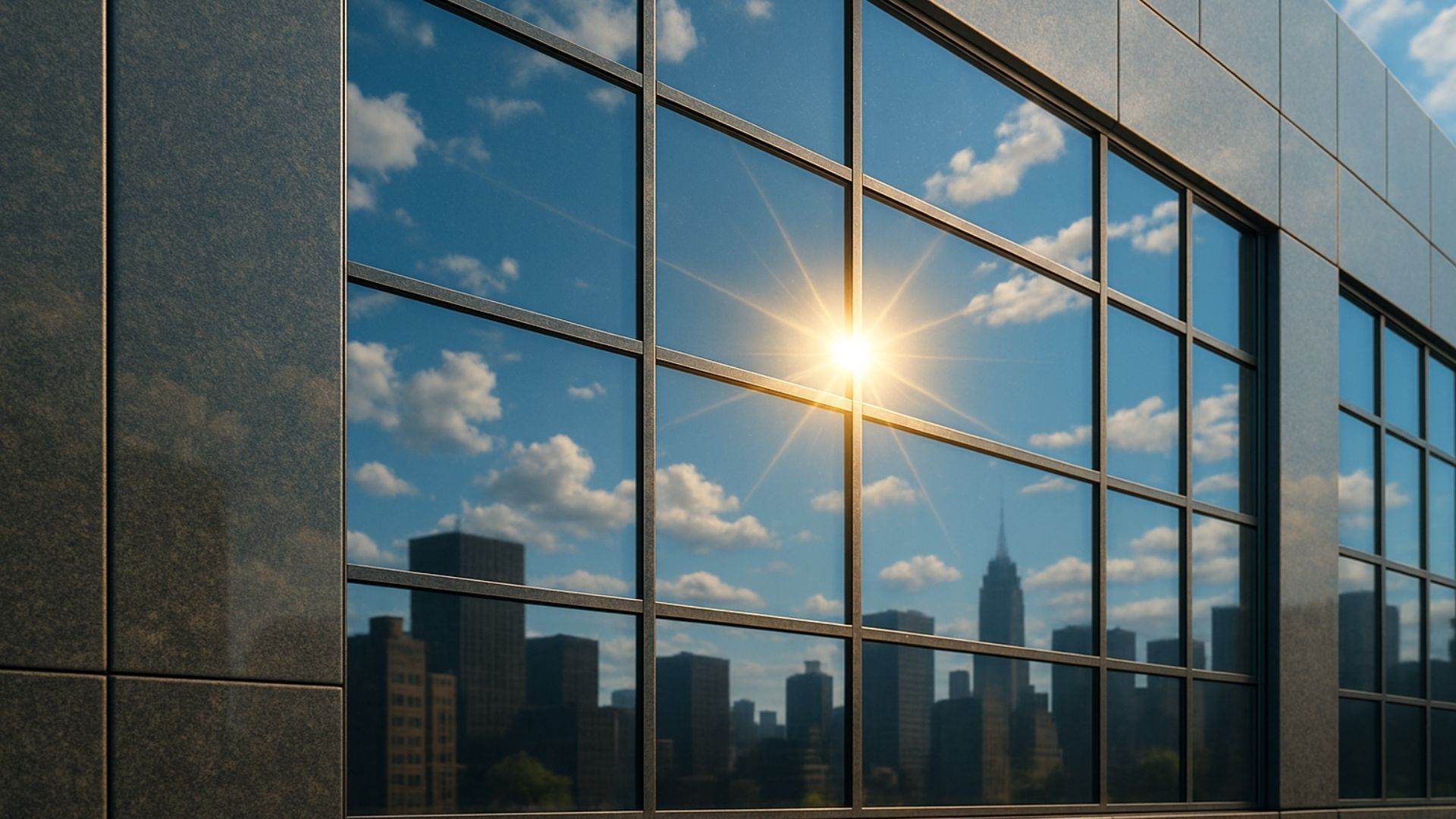
This kind of inconsistent heating isn't as rare as you might think. It often happens when the sun heats up the centre of the windowpane and the edges are hidden in the shade.
Imperfections on the edge of the glass are places where stress can concentrate. Over time and under heat, this can cause a crack to form.
That's one reason why working with a reputable glass processor is so important. An experienced processor is more likely to take care of the edges as well as the overall unit.
Insulated glazing units (IGUs) are especially at risk because of the "air spacer" between the panes. This heats up faster than in a single-pane window.
Are all types of glass susceptible to thermal expansion?
Some types of glass are more likely to break when thermal expansion occurs. Standard annealed glass, for instance, is less resistant to thermal stress than toughened glass. This is another reason to invest in
toughened glass when your budget allows.
Poor manufacturing can increase the chances of breakage. This is especially true when types of glass with significantly different thermal expansion coefficients are mixed.
When the glass is cooled, stress is created – and the resulting product is a ticking time bomb. This is one reason to steer clear of inexperienced or poorly reviewed glass processors.
How do you avoid glass thermal expansion?
At this point, you might be concerned that the glass you buy is bound to shatter. There are, however, simple steps you can take to significantly reduce the likelihood of this happening.
Control the environment
First, you can take steps to control the environment where the glass has been installed. Curtains and blinds can be kept at a distance from the window to allow air to circulate and cool the glass. When installing laminated or wired glass, you should also avoid using close-fitted blinds.
Protect south- and west-facing windows
South- and west-facing windows are especially vulnerable to overheating. This can be circumvented by installing awnings or other kinds of shading to minimise the amount of direct sunlight the windows receive.
Be careful with heat sources
If there are heating or vents nearby, make sure they're pointed away from the windows. If they directly heat or cool the windows, this could lead to uneven heating and an unwelcome fracture down the line.
You should also avoid placing hot objects on a cold glass surface, or vice versa. This causes differential heating, which is a key cause of glass thermal expansion.
Choosing the right type of glass
Avoiding glass thermal expansion isn't just about controlling your environment. It also involves choosing the right type of glass.
Toughened and
heat-strengthened glass are much more resistant to thermal stress than standard annealed glass. They come with a range of other benefits, too. Toughened glass is thermally efficient as well as resistant to thermal stress. It also breaks into relatively safe smithereens rather than shards and can be decorated in a wide variety of ways.
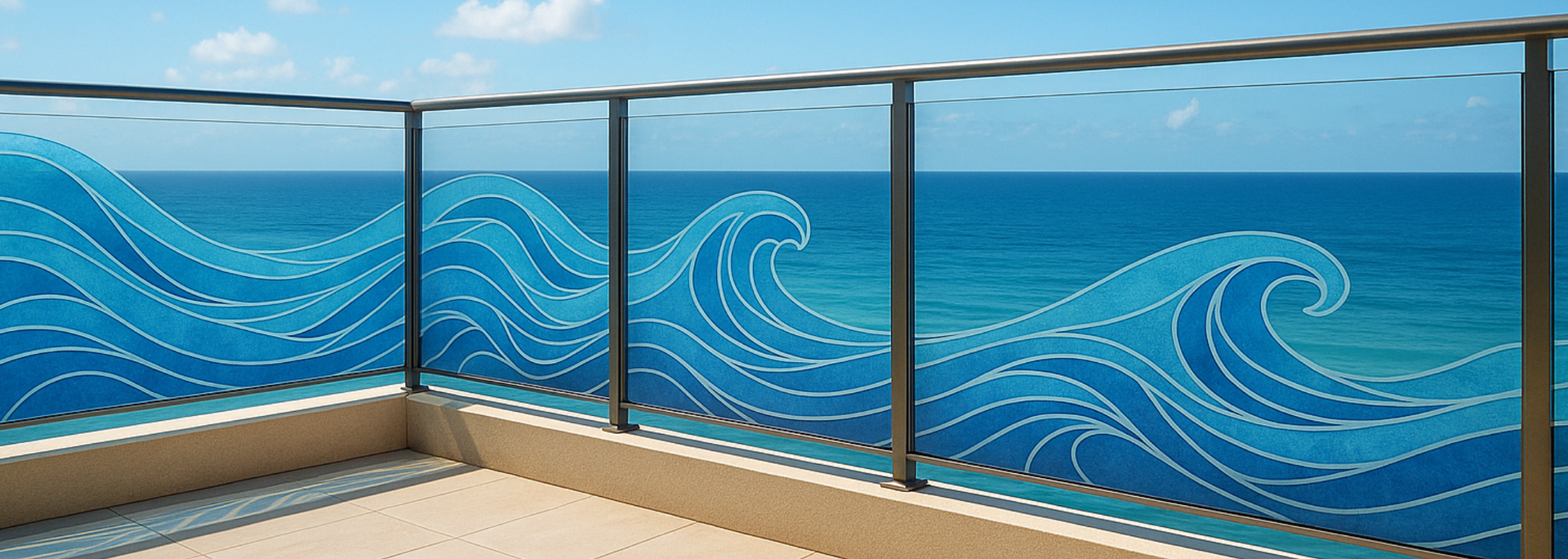
Toughened glass is often used advisedly in areas at risk of thermal stress – especially in installations next to deep shadows or heat traps.
Edge finishing can make a difference, too. Unpolished and unground edges are more susceptible to glass thermal expansion.
Here at ToughGlaze, we provide high-quality toughened glass that's resistant to thermal stress. And like all our products, it can be cut to size and processed in many ways: from
coloured and
textured interlayers to
frosted effects.
Once you've got your materials, they need to be installed properly, too. You need framing systems with low heat capacity and thermal expansion coefficients similar to the glass itself.
As so often in the world of construction, experts are your friend. Whether you're sourcing materials or getting them installed, make sure you work with qualified, accredited professionals to minimise the chance of problems caused by glass thermal expansion.
Why does glass expand in the heat?
Glass expands in heat because the extra energy causes its molecules to vibrate. As they vibrate, they move further and further apart. This is what we mean when we talk about "thermal expansion".
As the temperature grows, so too does the distance between the molecules. This is reflected in the overall volume of the glass.
The opposite is true, too. When glass cools, the molecules slow down and get closer, causing the glass to contract. This is relevant to our specialist subject: the production of toughened glass. This involves firing a sheet of standard annealed glass in the furnace and then rapidly cooling or "quenching" it.
These sudden shifts in temperature create internal stresses that give the glass its distinctive breakage pattern – the pattern that qualifies it as a form of safety glass.
Are you looking for toughened glass panels with high resistance to thermal stress? At ToughGlaze, we've supplied architects and construction firms with high-quality toughened glass for more than 30 years.
Get in touch with our team today for a quick, competitive quote.